





A useful what to bring to school checklist is a filter, not a shopping challenge. Start with what keeps a normal day moving, then add class supplies, activity gear, or music equipment only when the schedule and space justify it.
Compare the list with what you own. School supply lists, device policies, and dorm or housing rules vary; verify requirements and restrictions before buying or packing.
Use the categories below to separate daily carry from classwork, food and care, tech and activity backups, and optional music practice. If music is part of the routine, explore digital piano keyboard for beginners or a compact travel guitar after the basics are settled.
What to Bring to School Checklist: Five Practical Categories
Use this checklist as a menu, not a rule to carry everything every day. Start with the first four categories, then add only what matches the schedule. The fifth is an optional music branch.
- Everyday carry - six H3 daily-bag basics.
- Classwork and organization - six H3 tools for notes and papers.
- Food, hydration, and personal care - six school-day basics.
- Tech, activity, and backup - seven conditional items, including headphones.
- Portable music for home or a dorm - seven optional Donner cards; choose by space and routine.
Everyday Carry Essentials
Keep this category simple: small things that make a normal day easier, not an excuse to fill every pocket.
Backpack or Day Bag
Carry the daily core without filling every pocket. Reuse last term's bag if its straps, zippers, and size fit the actual books, laptop, lunch, and commute.
Pencil Case
Keep small tools together for quick packing. Reuse one you own and leave room for the pencils, pens, and markers your classes actually use.
Pencils or Mechanical Pencils
Use the type your classroom accepts for notes and corrections. Start with what is already at home, then add refills only when the supply is genuinely low.
Pens and Highlighters
Pens handle forms and finished work; one or two highlighter colors can mark key information. A small set is easier to carry than a full rainbow pack.
Eraser and Sharpener
Keep the writing kit working when a pencil breaks or a correction is needed. Check the existing set first, adding a sharpener only if it is permitted and missing.
Student ID, Wallet, or Key Card
Carry the cards needed for check-in, transit, meals, or campus access. A slim holder keeps loose cards under control, so you do not bring every card you own.
Portable Music Gear for Home or a Dorm
Music equipment belongs in an optional branch, not a standard school bag. Choose one setup only if the student already practices, has storage, and can follow housing and sound rules. The seven Donner cards are alternatives, not a bundle.
Donner DEP-1S Beginner Digital Piano Kit Best for beginner setup

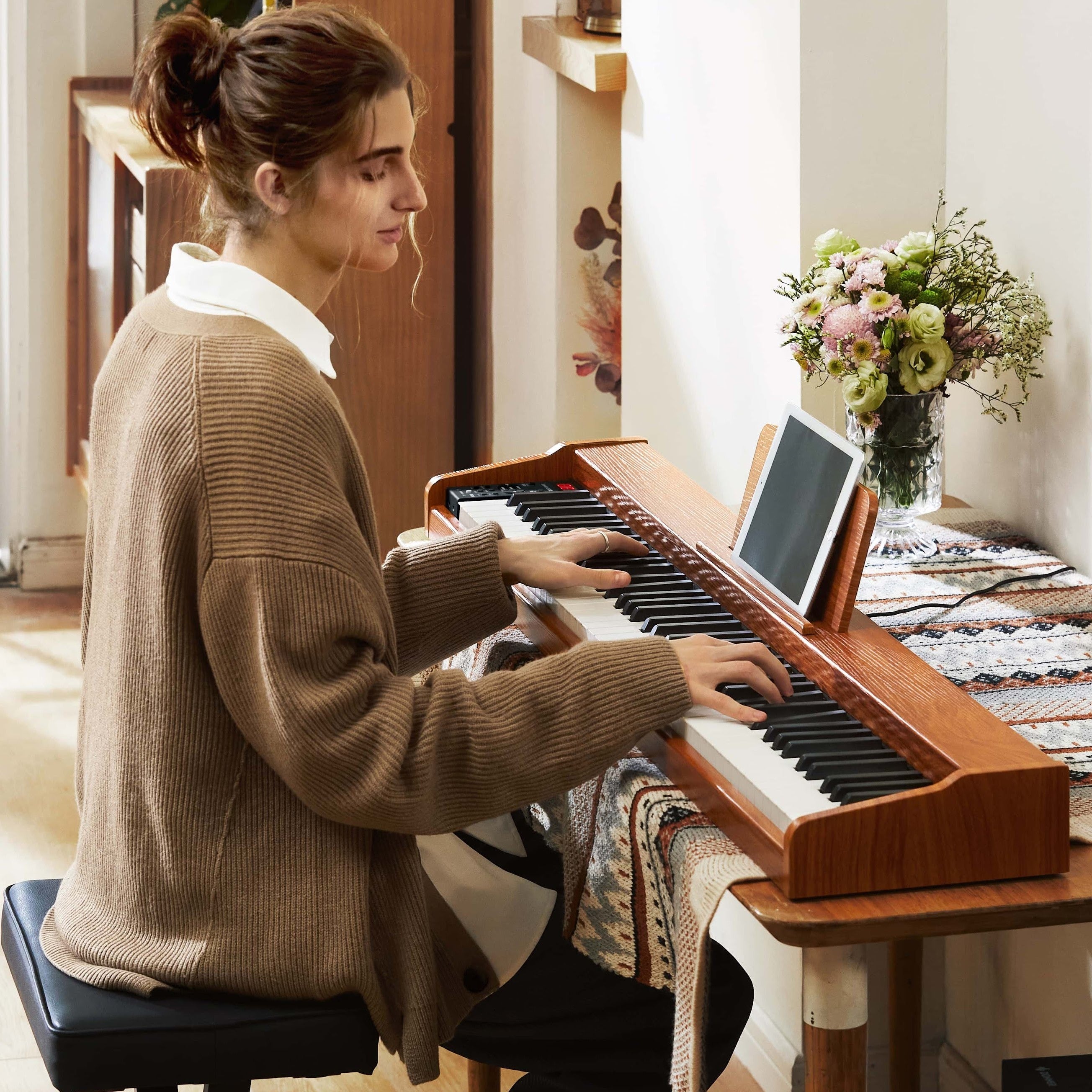
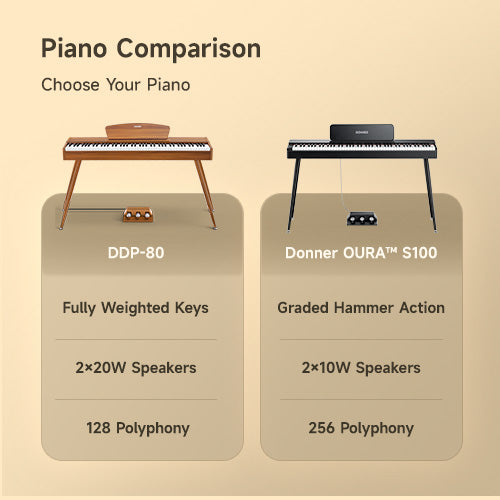
The Donner DEP-1S Beginner Digital Piano Kit suits a student who wants full-size practice without a heavy cabinet. Its 88 velocity-sensitive semi-weighted keys offer five touch levels, while Bluetooth audio/MIDI, USB-MIDI, 128 sounds, 100 rhythms, and 88 demo songs add flexibility. The X-stand, sustain pedal, stickers, and compact format make setup friendly; use a stable spot and follow housing rules.
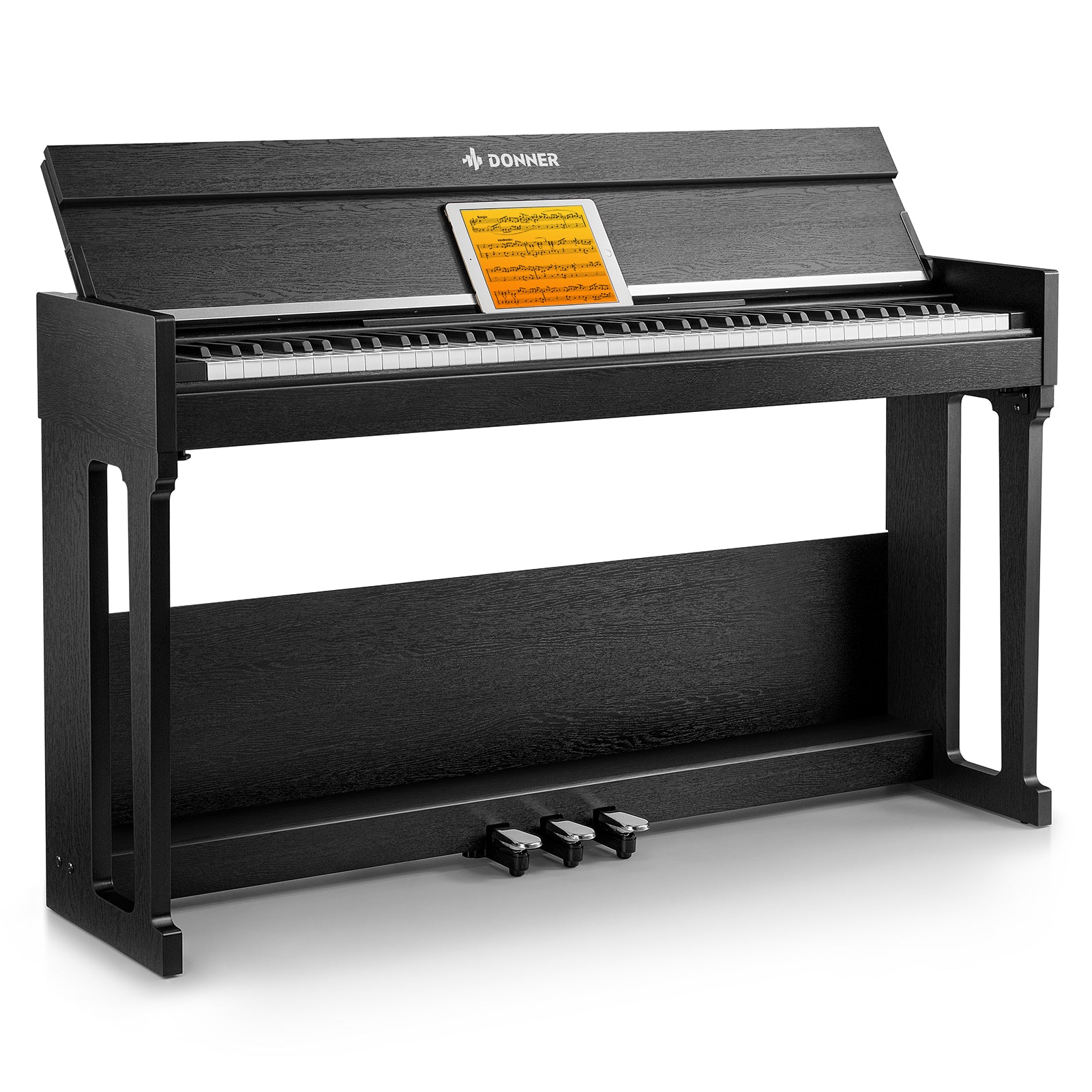
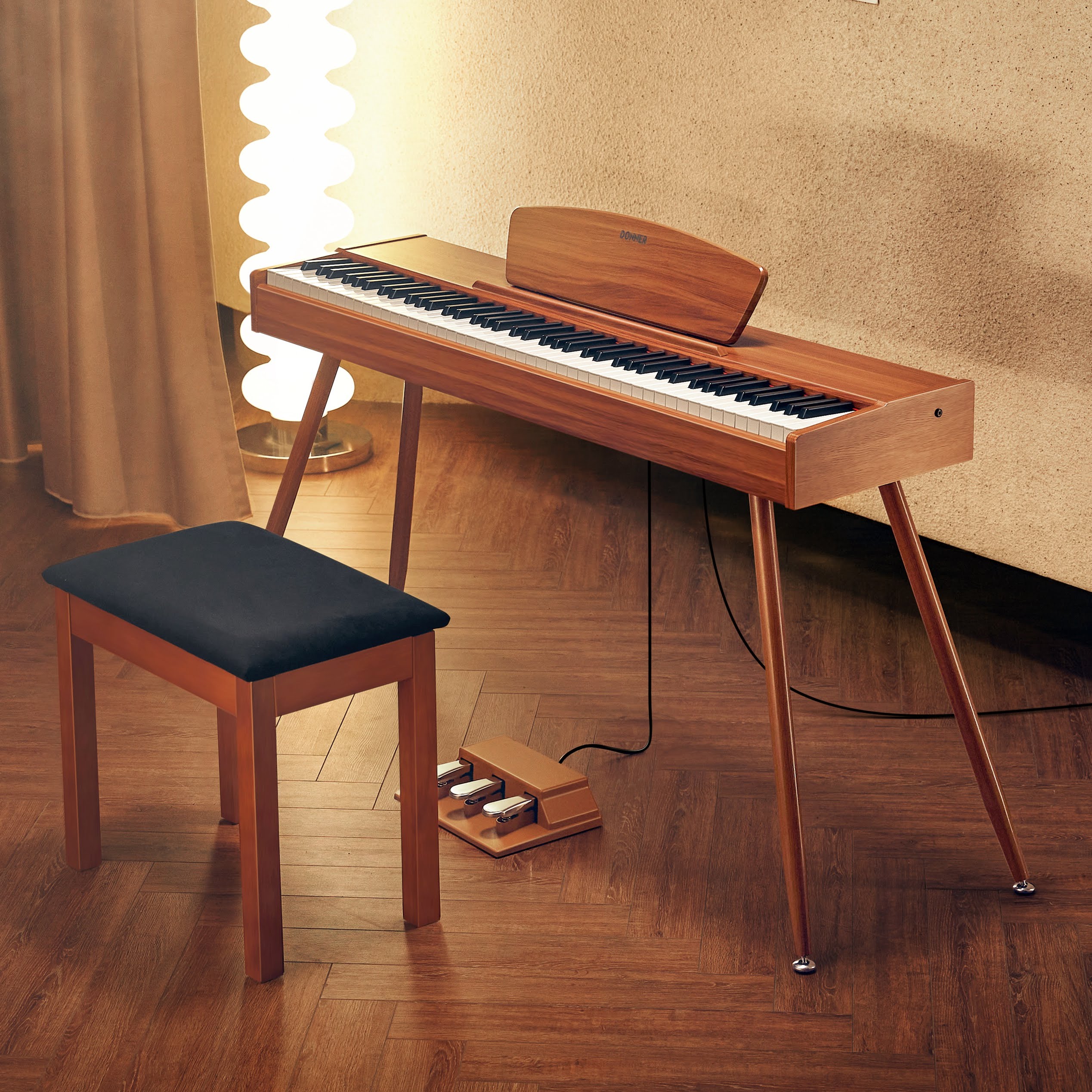
Donner DEP-20 88 Key Weighted Digital Piano with Furniture Stand & 3-Pedal Best for weighted practice

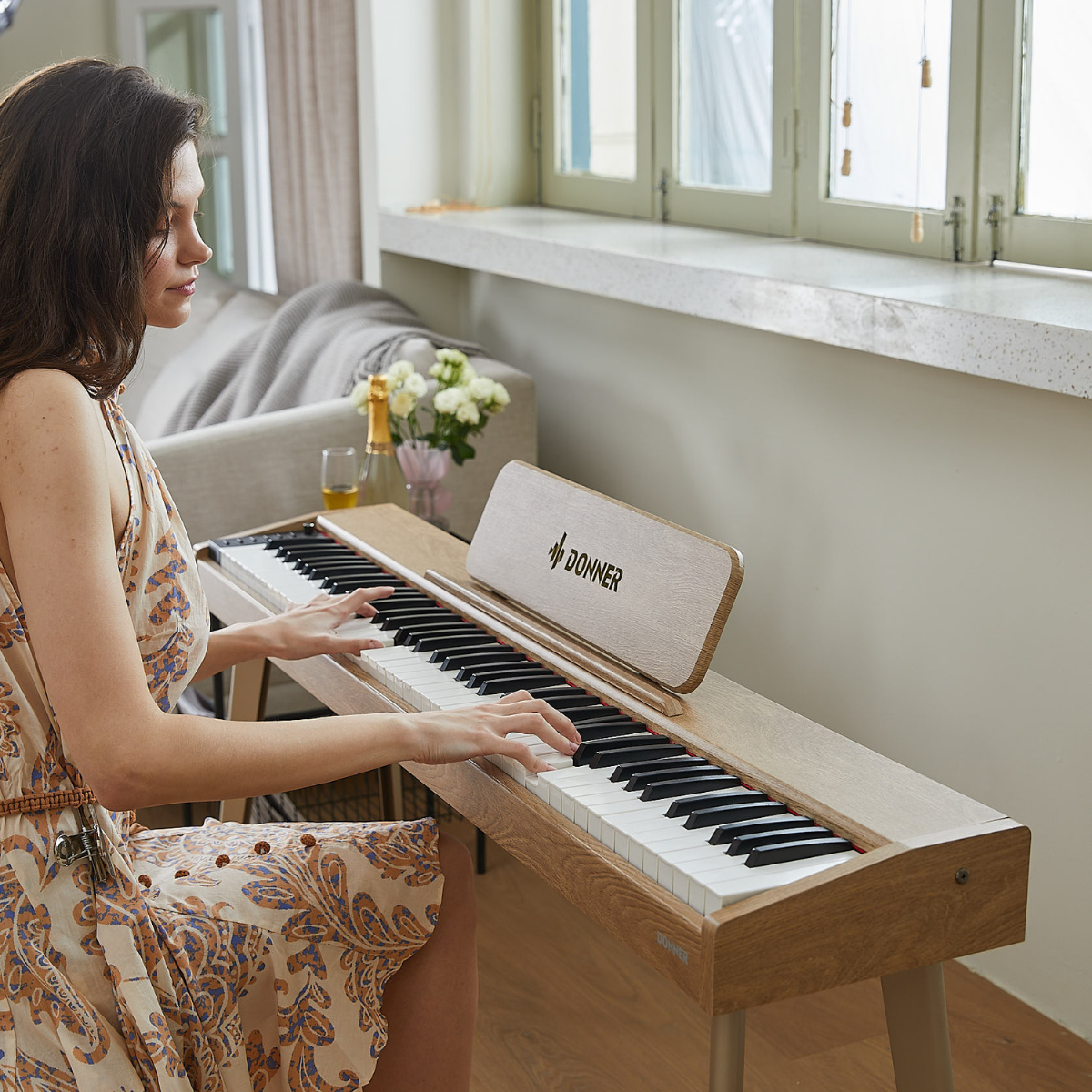
The Donner DEP-20 88 Key Weighted Digital Piano with Furniture Stand & 3-Pedal fits a room corner where weighted practice matters more than daily portability. Its 88-key fully weighted action, 128-note polyphony, 238 tones, 200 rhythms, 50W speakers, and three-pedal unit create a settled setup. Measure the room first; this is not a school-backpack instrument.
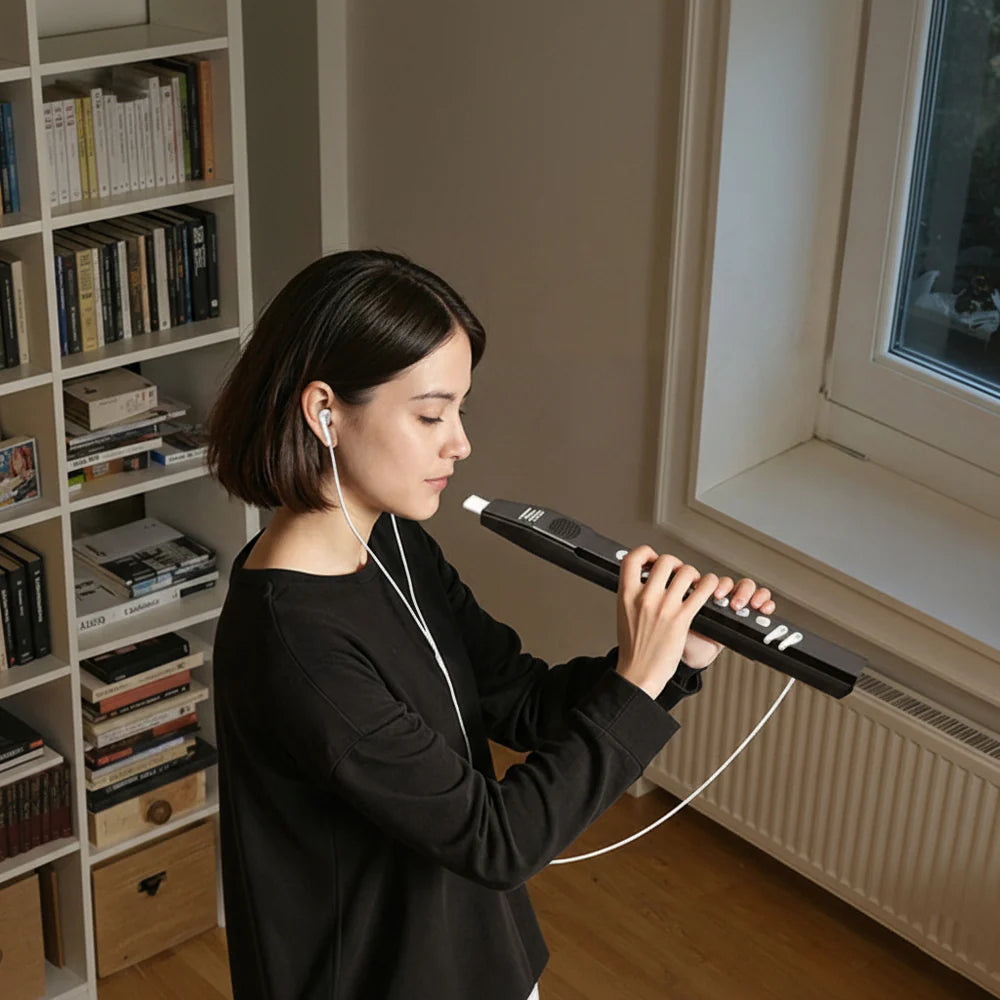
Donner HUSH X Portable Electric Guitar Kit for Travel Best for late-night guitar

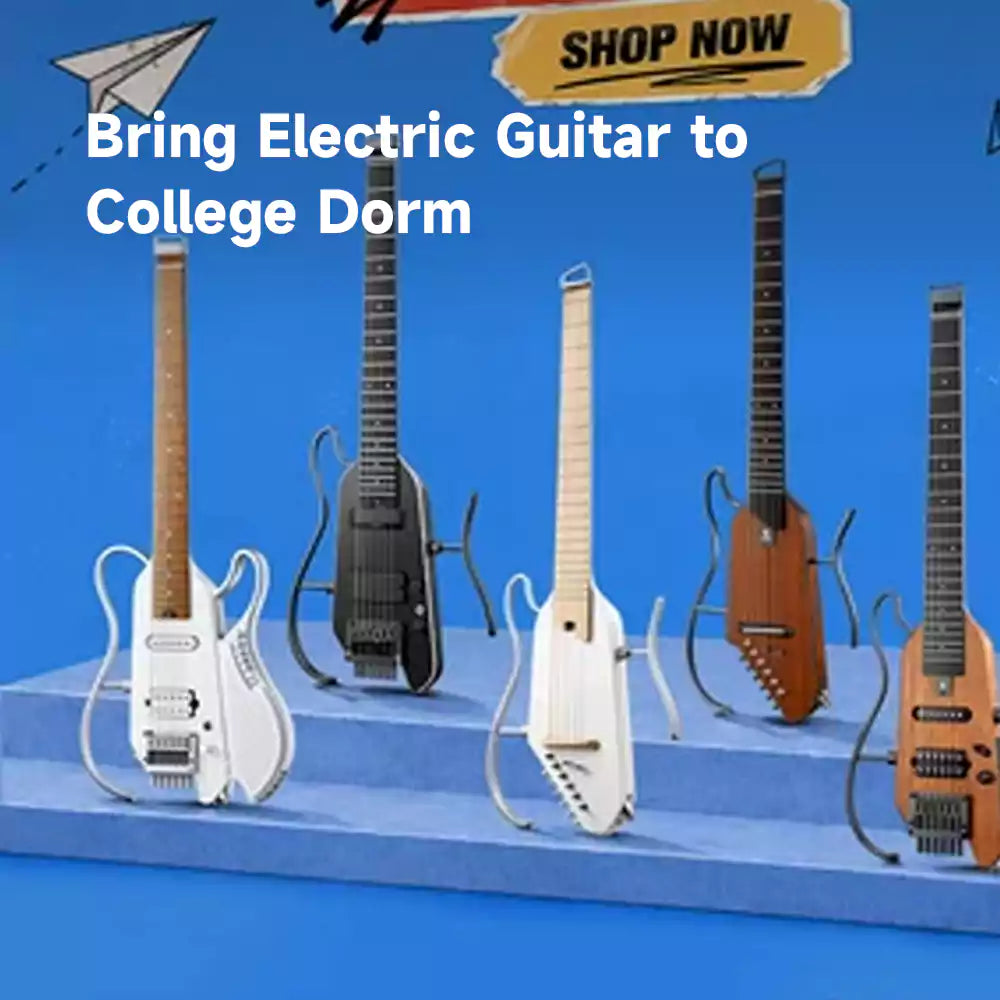
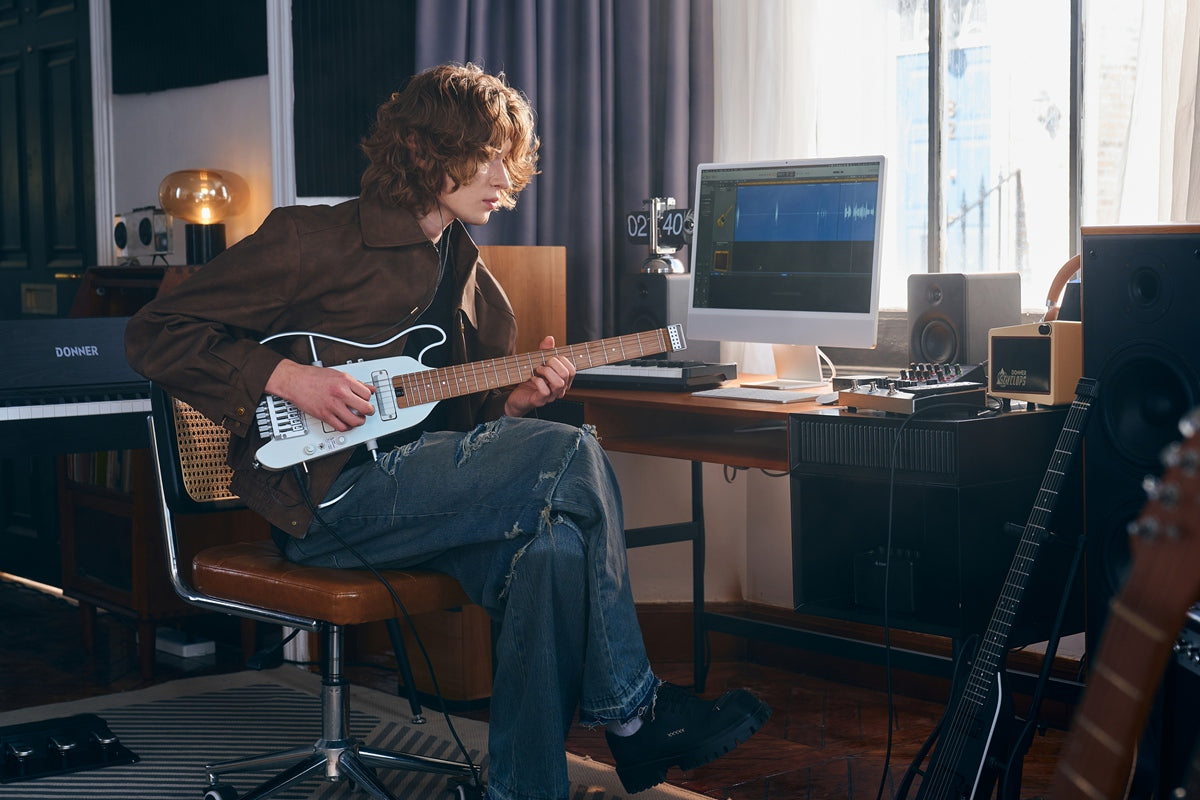
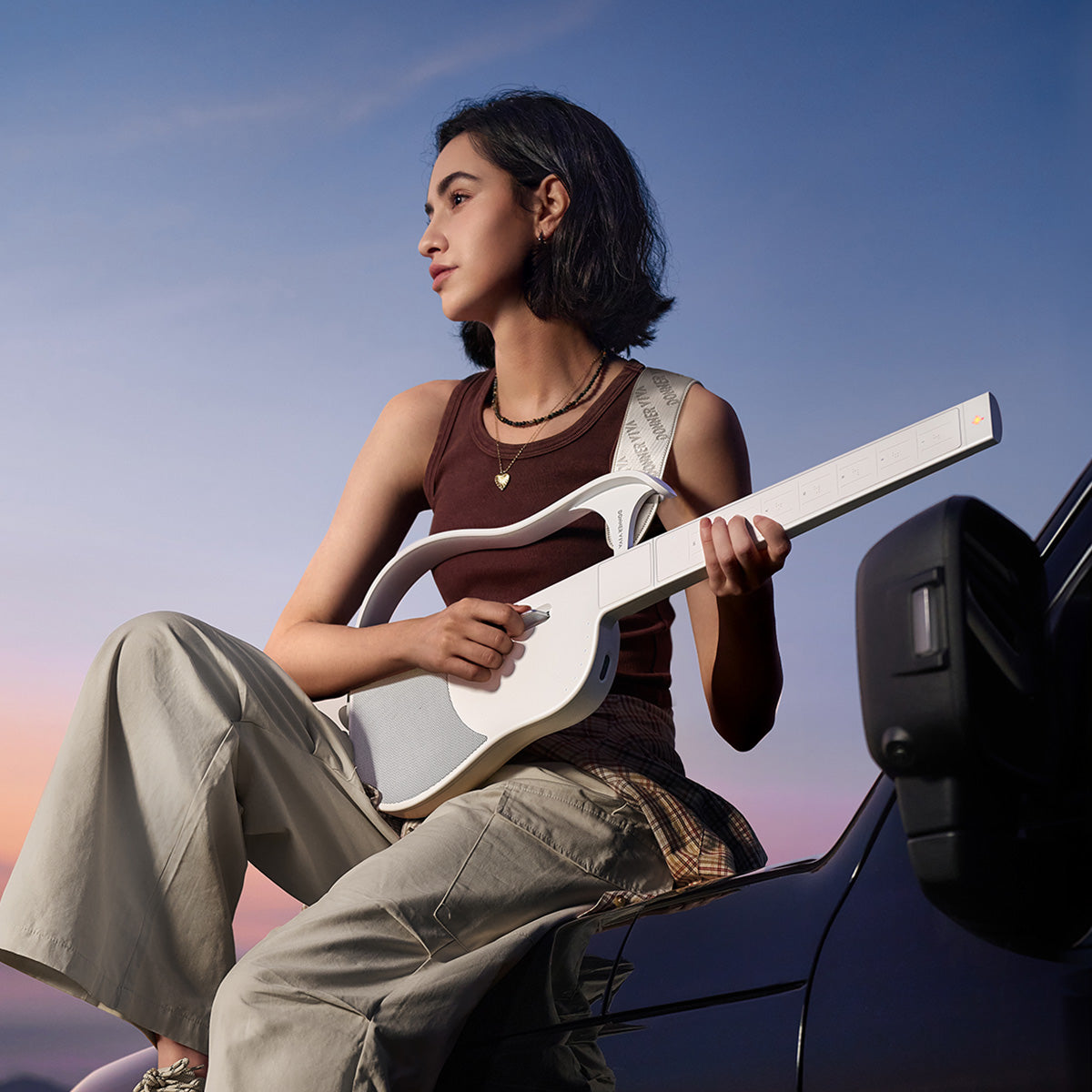
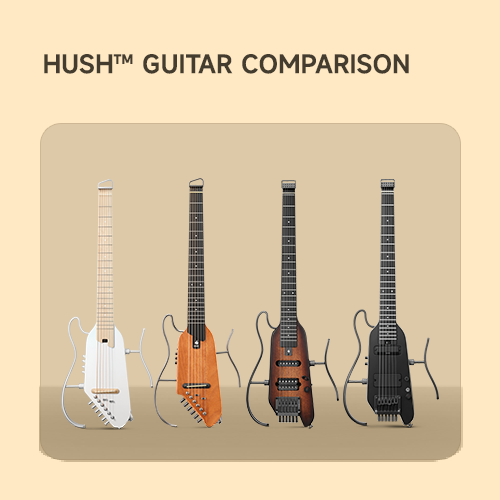
The Donner HUSH X Portable Electric Guitar Kit for Travel is for an existing player who wants a compact shared-room guitar. Its headless design, detachable frames, 4.4-pound weight, headphone output, earphones, gig bag, and stated up-to-50-hour headphone playtime help with transport and amplified sound control. Headphones reduce amplified sound, not all noise or housing restrictions.
Donner HUSH I EVO2 Travel Guitar Best for travel practice

The Donner HUSH I EVO2 Travel Guitar suits an existing player moving between home, lessons, and trips. Removable frames and tool-free assembly pair with the HPS-II preamp, undersaddle piezo, built-in tuner, 3.5 mm headphone output, and included gig bag. Headphones lower amplified sound; they do not erase string, handling, or housing-rule noise.
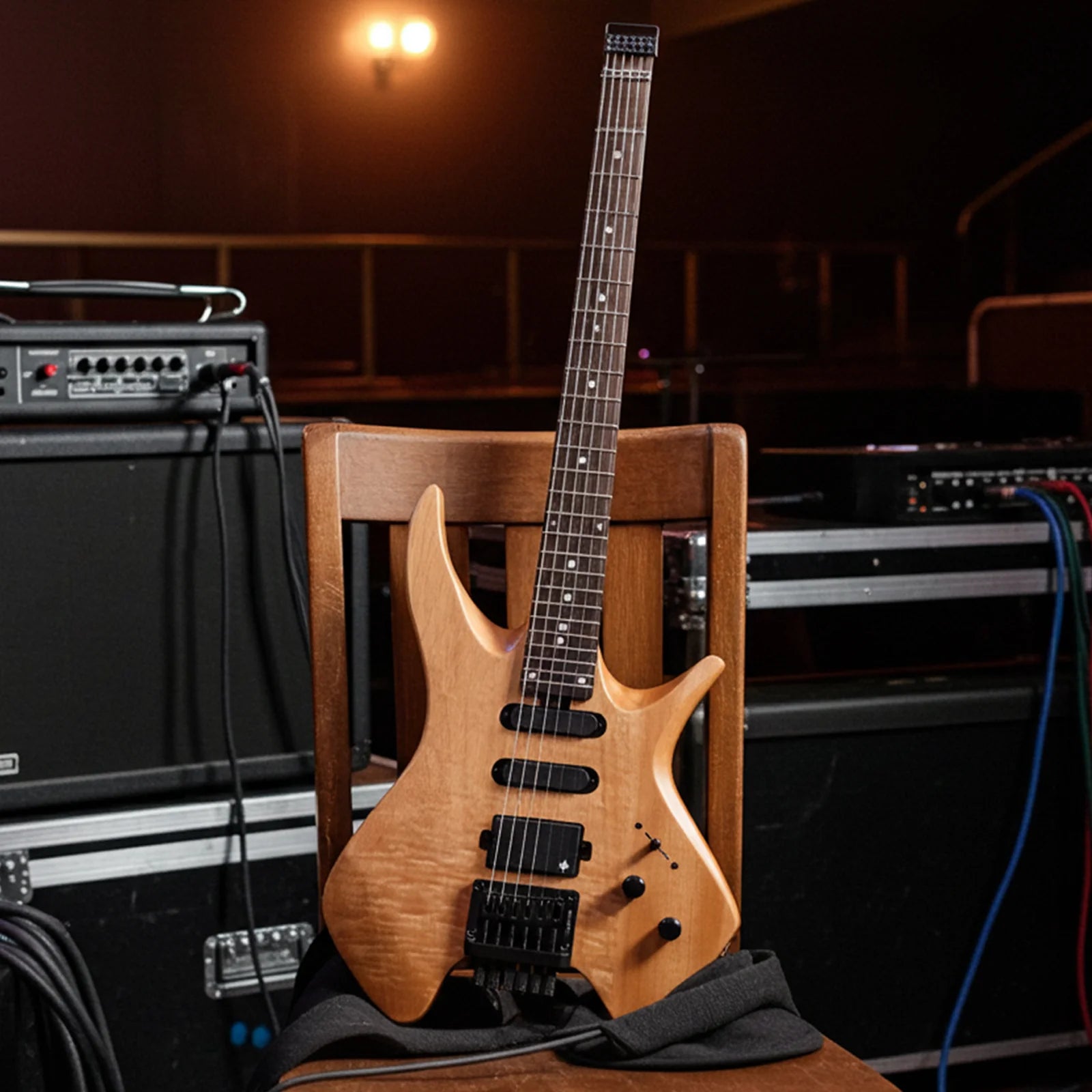
Donner HLX-500 Headless Electric Guitar Best for compact electric guitar

The Donner HLX-500 Headless Electric Guitar fits a player who values compact transport and already has an amp or interface. Its 25.5-inch scale, 24 frets, SSH pickup layout, and custom bag with handheld and backpack carry modes help with school-year moves. No headphone output is documented, so it is not a silent-practice setup by itself.
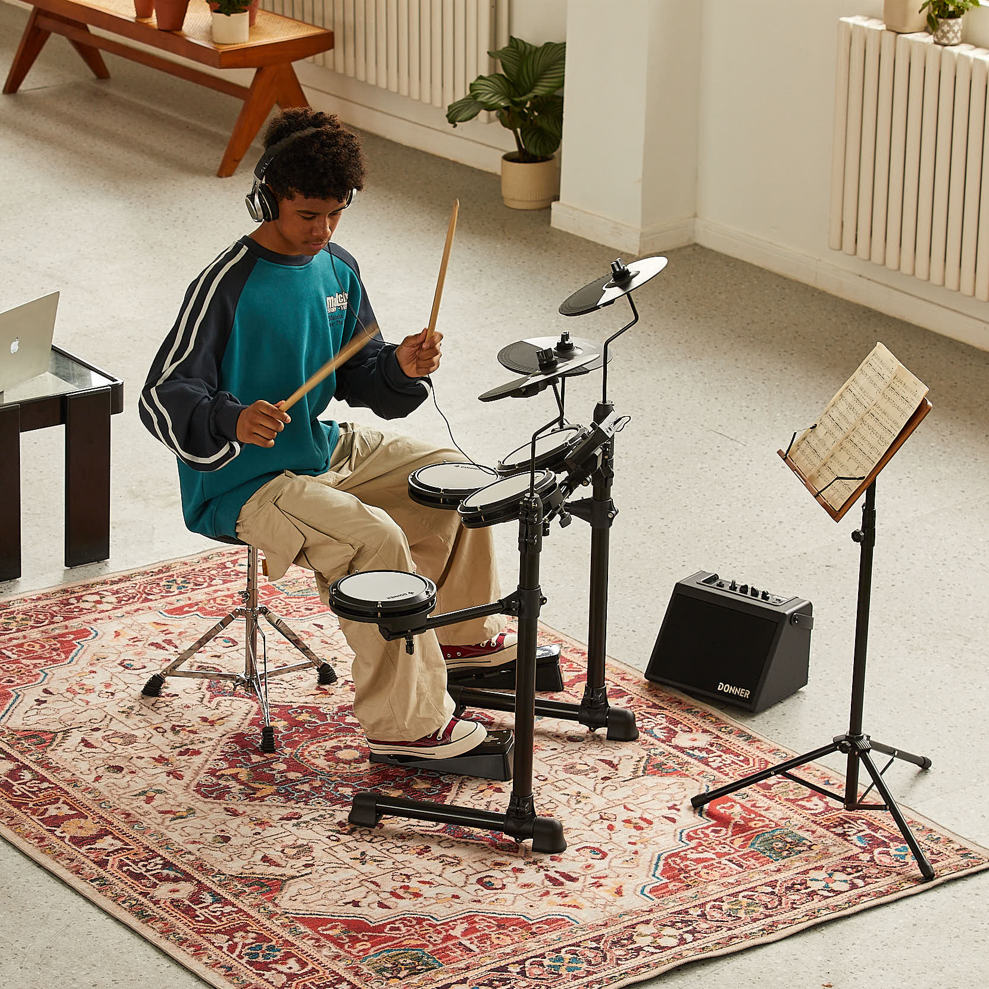
Donner Beat Go Tabletop Electronic Drum Set Best for tabletop drumming

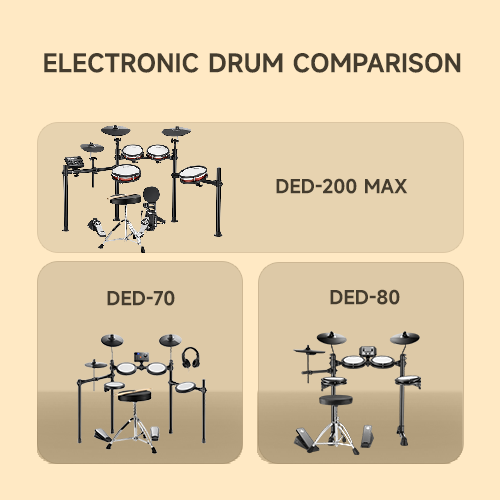
The Donner Beat Go Tabletop Electronic Drum Set suits a moving beginner with a small practice surface. Mesh pads, detachable cymbals, 4 kg weight, USB Type-C power, compact pedals, and a 20 x 18-inch bag keep it portable. The pads are lower-noise, not silent; check floor, sound, and housing rules before using it in shared space.
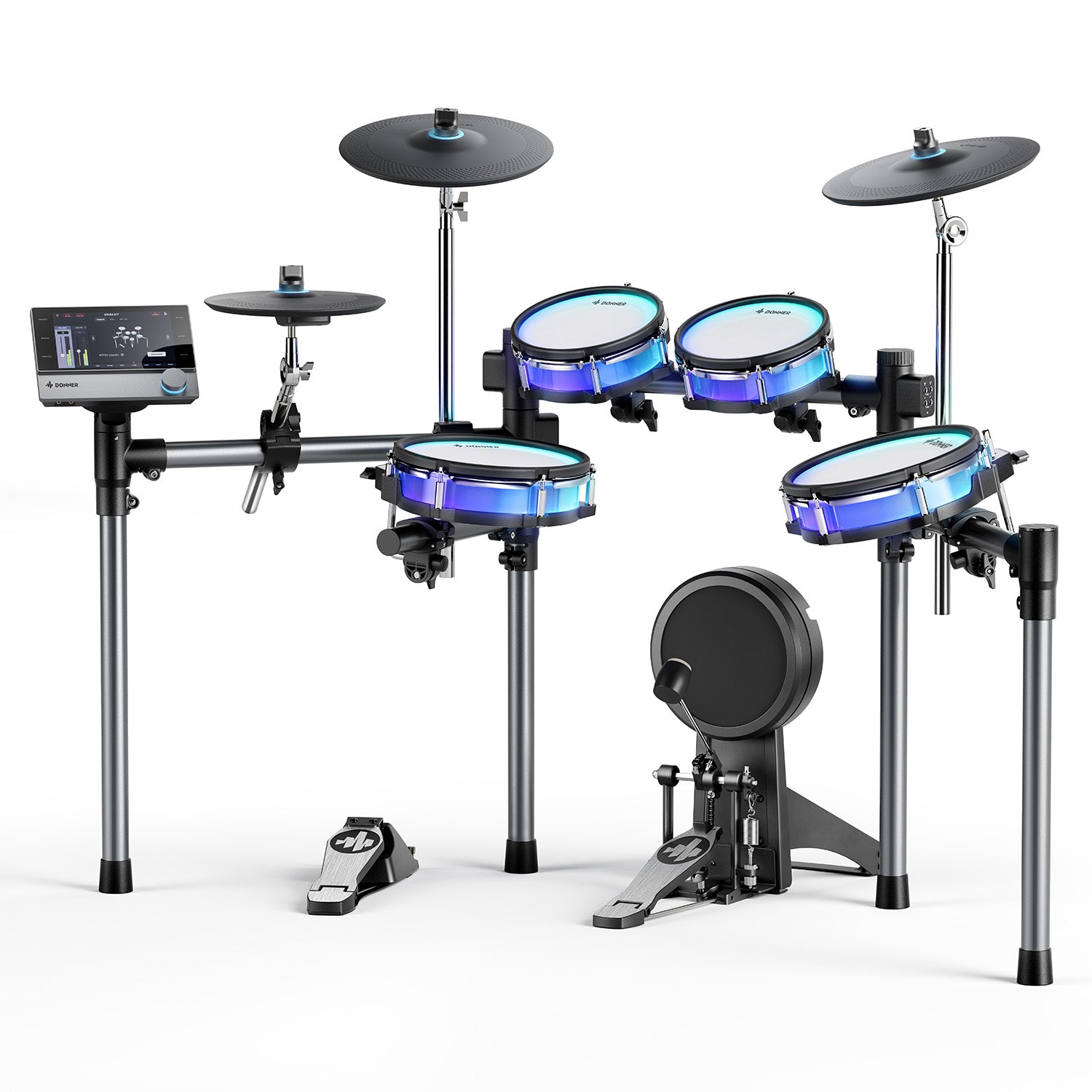
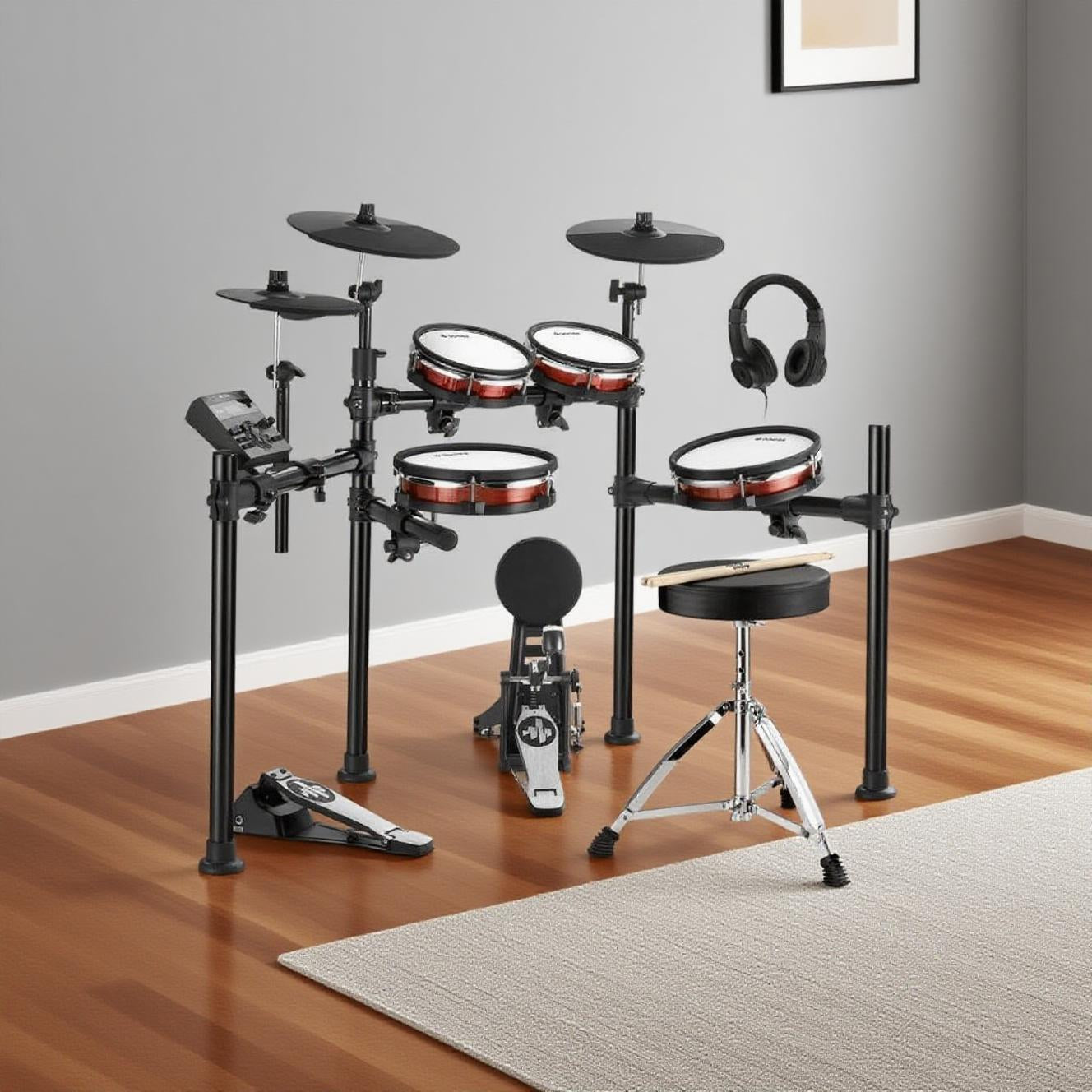
Donner DED-80 Beginner Electronic Drum Kit Best for fold-away drumming

The Donner DED-80 Beginner Electronic Drum Kit is the fold-away choice for a student who wants a fuller kit but cannot leave it open all week. Its foldable rack, double-layer mesh pads, four drums, three cymbals, 15 kits, 180 sounds, coach mode, backing tracks, and USB MIDI support practice. Headphones are included, but pedal and stick noise still need a housing check.
Classwork and Organization
Start with the timetable and teacher notes, then add course-specific pieces only when they earn a spot.
Notebooks or Composition Books
Use the format teachers or courses request. Count subjects first, then buy enough pages for the term; a starter set is easier to adjust than unused notebooks.
Folders
Protect handouts and forms that need to make it home. Reuse folders if they close and label well, keeping a spare only when papers regularly travel.
One Binder with Dividers
Organize several subjects without buying a separate system for every class. Choose the binder plan first, then add dividers that match the timetable.
Loose-Leaf Paper
Use it for binder work and page replacements. Check the ruling and hole pattern, then use paper already at home before buying a large refill.
Planner or Assignment Notebook
See deadlines, practices, and appointments together. If a school planner or phone calendar already works, a second system may add checking instead of organization.
Calculator
Bring one only when the course or teacher requires it. Confirm the permitted type before replacing a calculator that still works or buying an advanced model just in case.
Food, Hydration, and Personal Care
Reuse containers where you can and match food, water, and cleanup basics to the actual schedule and school rules.
Reusable Water Bottle
Refill between classes instead of buying single-use drinks. Check whether bottles are allowed in classrooms, then use one you own before choosing a larger replacement.
Lunch Box or Insulated Bag
Match the size to the actual lunch routine. Reuse last year's bag if it still closes, cleans easily, and fits the food carried between classes.
Snack Container or Reusable Snack Bags
Keep food from getting crushed or lost among papers. Pack only what fits the day's schedule and rules, using kitchen containers instead of collecting a new set.
Reusable Utensils
Support packed food and cut down on single-use extras. Keep utensils with the lunch setup, and check what the cafeteria or school already provides.
Hand Sanitizer
A small bottle can help when handwashing is not immediately available, subject to school guidance. Check the family bag before buying another.
Tissues or Small Wipes
Help with quick clean-ups and shared-space messes. Keep the pack modest, follow school rules, and avoid carrying an untouched duplicate supply.
Tech, Activity, and Backup Items
Check the day before filling the bag; devices, headphones, PE gear, and rain layers can stay home when the schedule says so.
School-Issued Laptop or Tablet
Bring a device when digital assignments require it. Check the school's program first, because the required platform or device may already be provided.
Charger and Cable
Keep the device usable through a full day. Label the existing charger, pack it when needed, and confirm the connector before buying a spare.
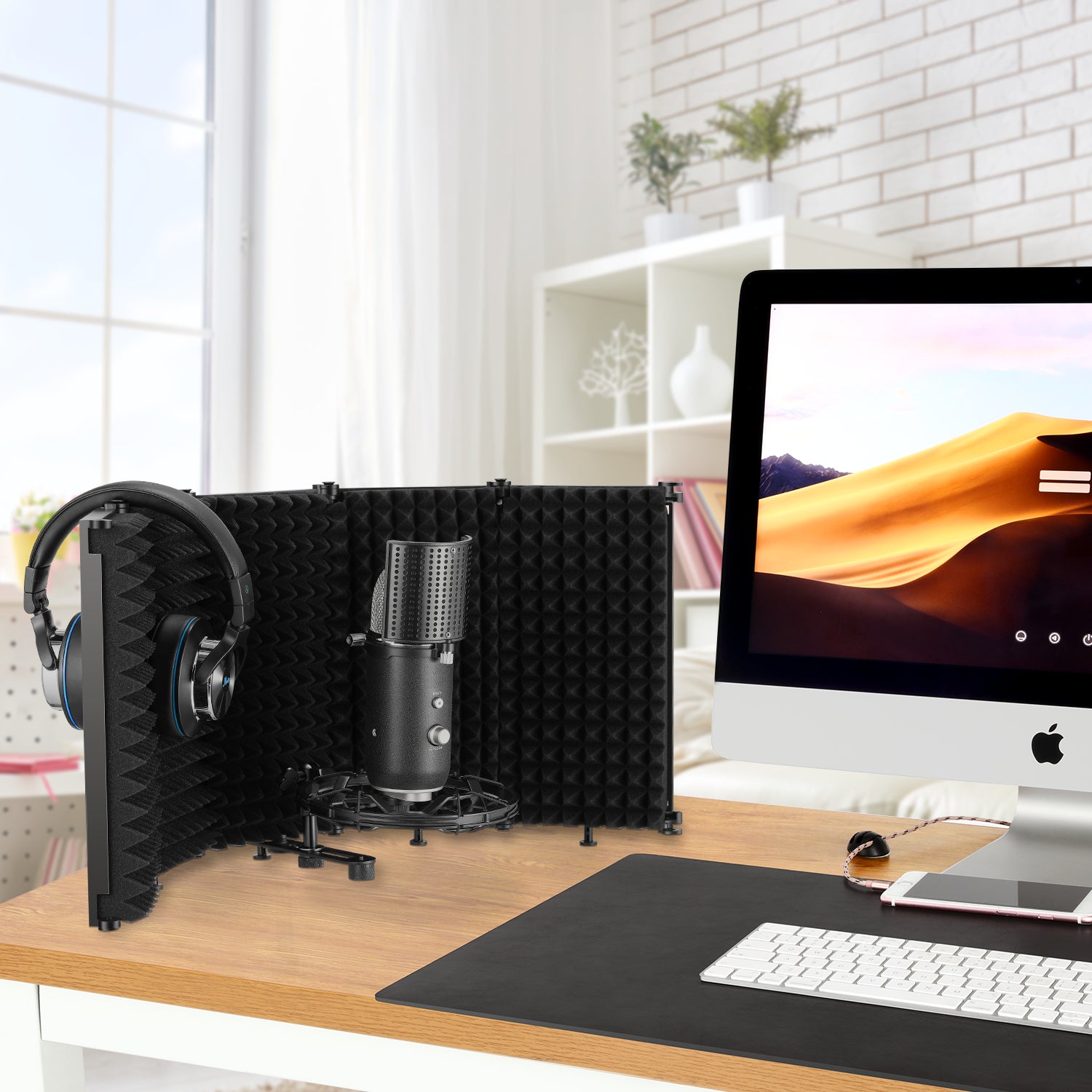
Headphones for Shared-Room Practice
Keep a wired or school-approved pair ready for instrument practice, language work, or media assignments. Headphones reduce speaker output but not key, pedal, stick, or floor noise, so reuse a working pair and check rules first.
Instrument-Practice Headphones
Keep a comfortable wired pair for a digital piano, guitar, or drum module when a headphone output is available. Headphones can reduce speaker or module output, but keys, pedals, sticks, and floor vibrations still make noise, so reuse a pair you already trust and check the rules.
USB Drive or Cloud Backup
Protect important files with the school's approved storage method. Avoid sensitive data and skip duplicate tools that already work for the class setup.
PE Clothes and Sneakers
Pack PE clothes and sneakers for the weekly schedule, not every day. Check whether a locker already stores part of the setup before carrying a second kit.
Light Layer or Rain Shell
Use a layer already in the closet for changing classroom or commute conditions. Bring it when needed, replacing it only when the old one no longer works.
Make Room for the School-Year Routine You Will Actually Use
Start small: pack the daily core, add what a class or activity needs, and choose one optional music setup only when it will be used.
Donner aims to make music more accessible around the space students have. When the music branch fits, explore Donner Music and the broader electronic drum set category.