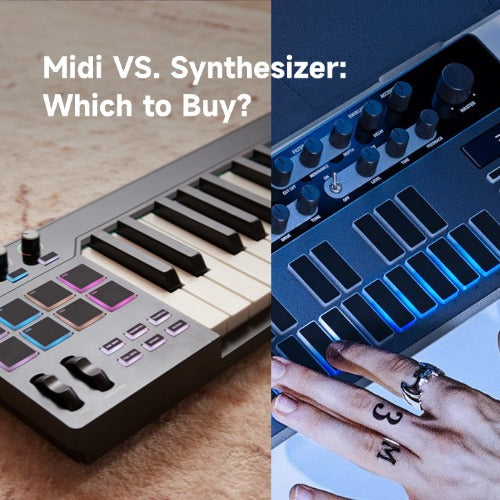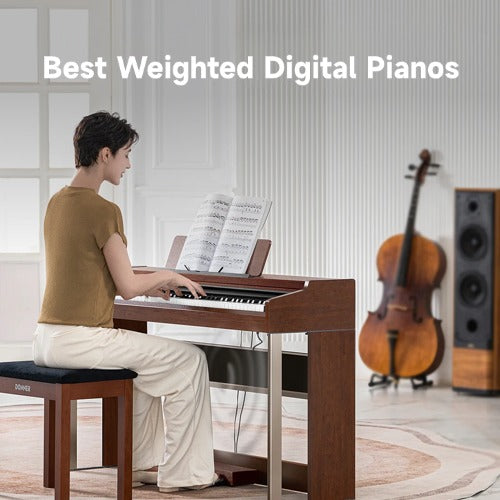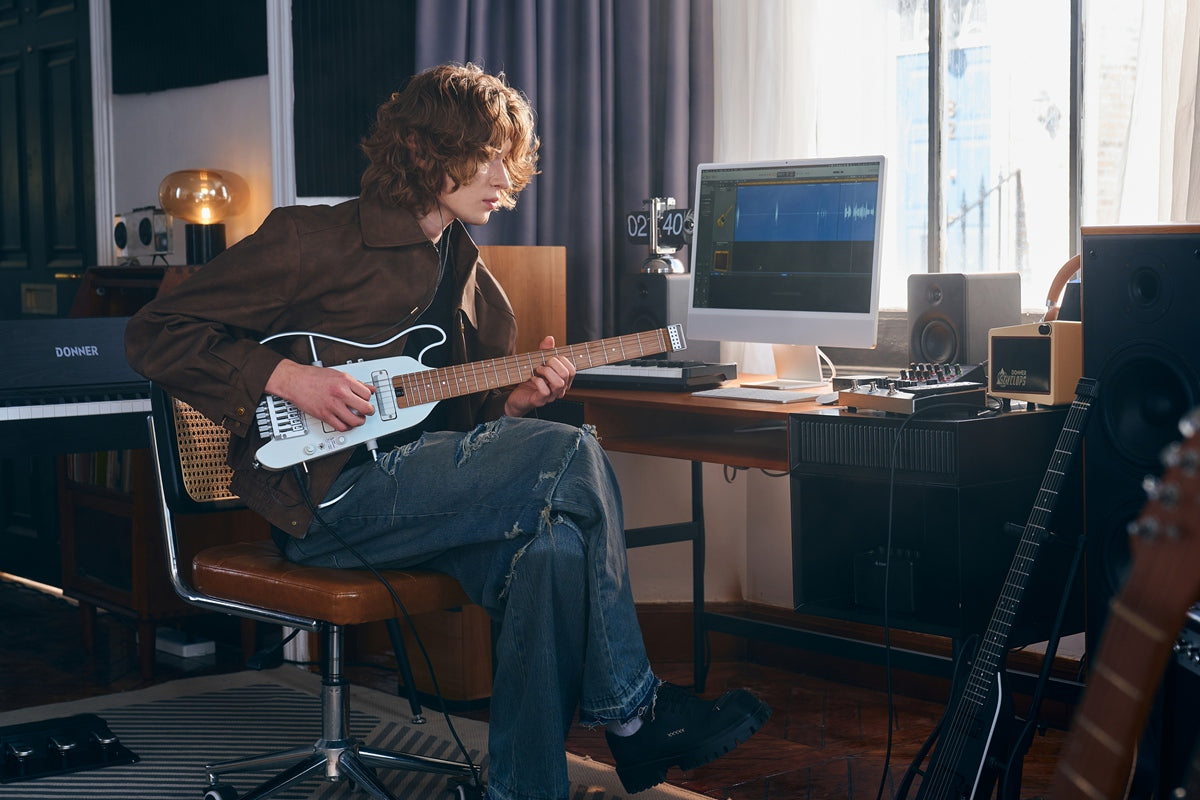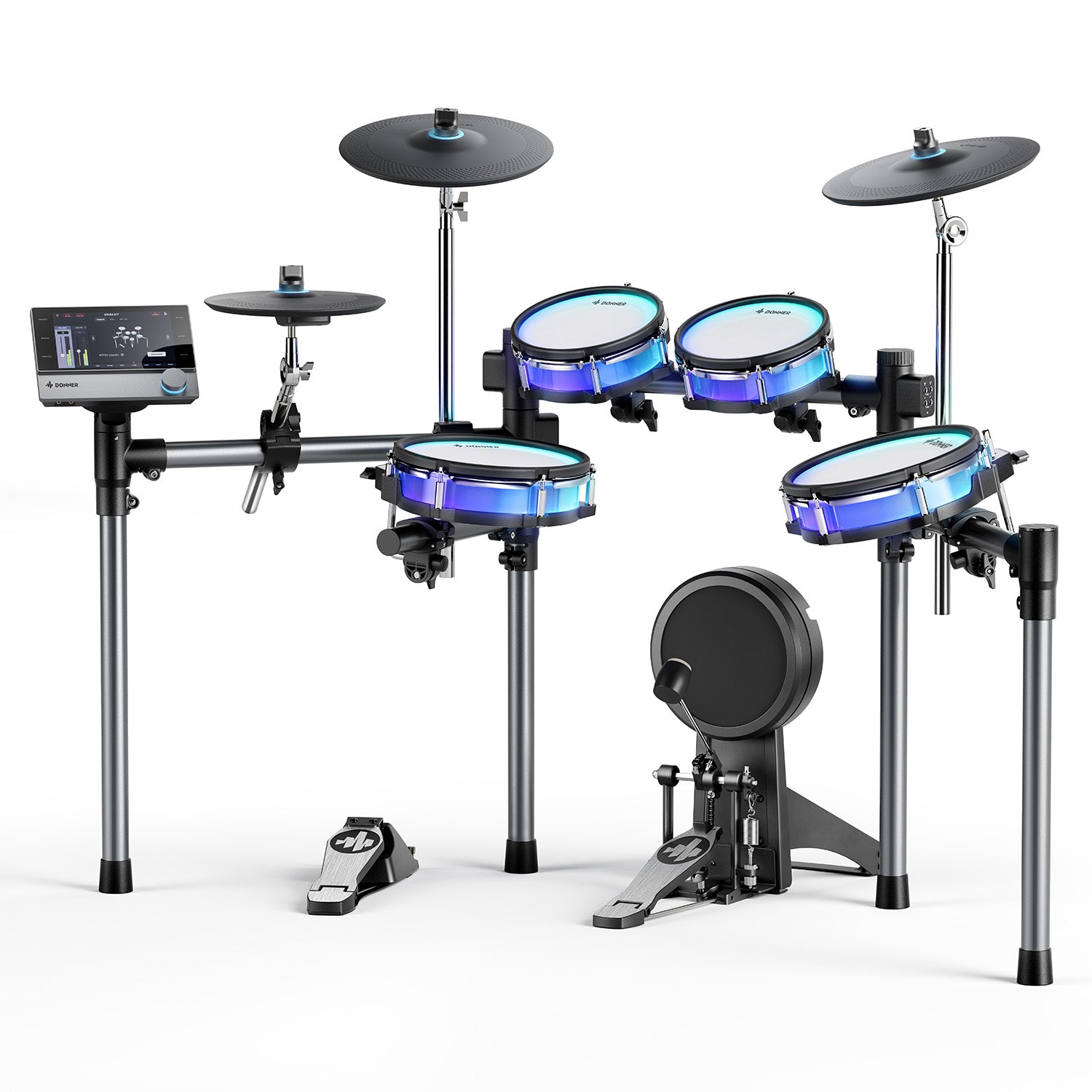

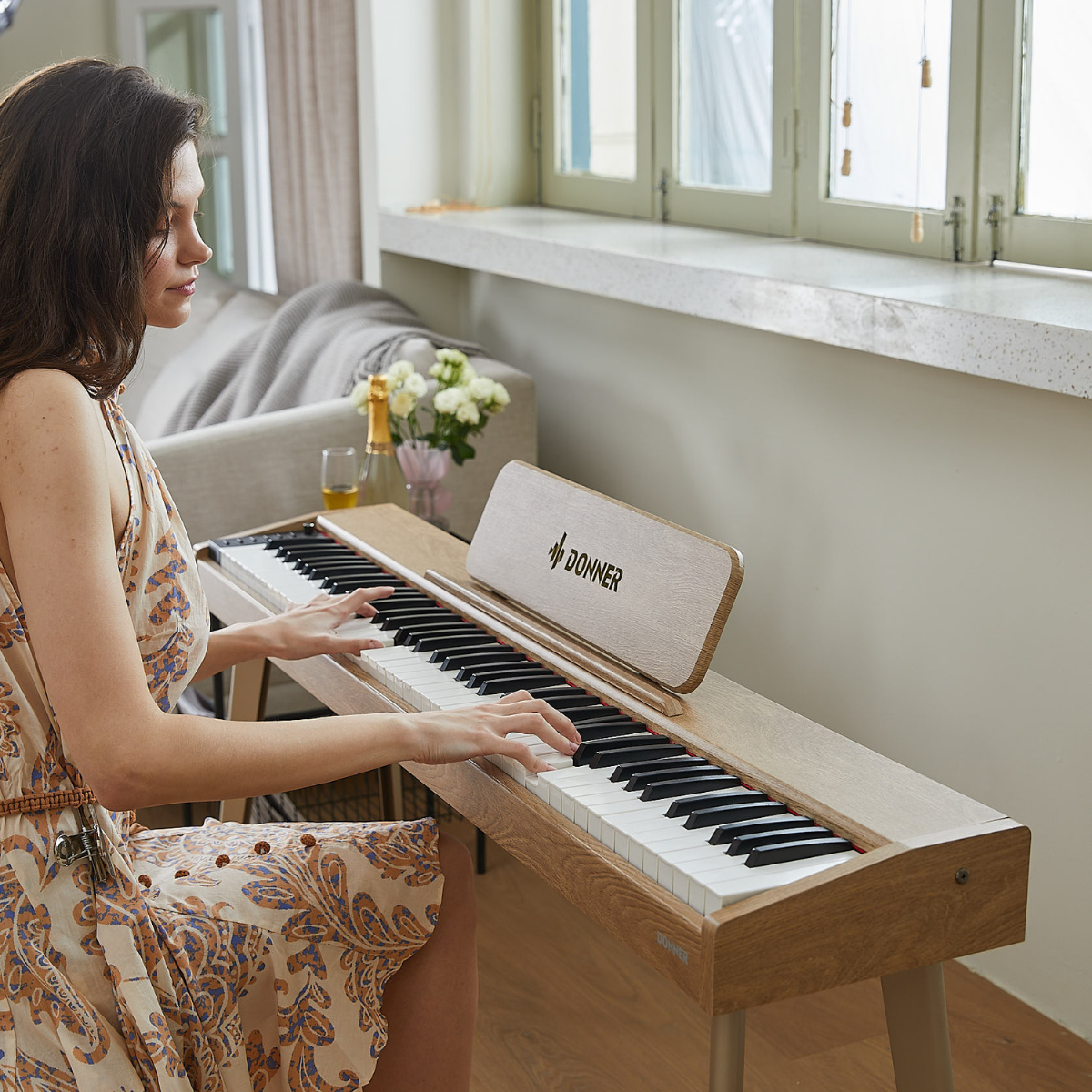
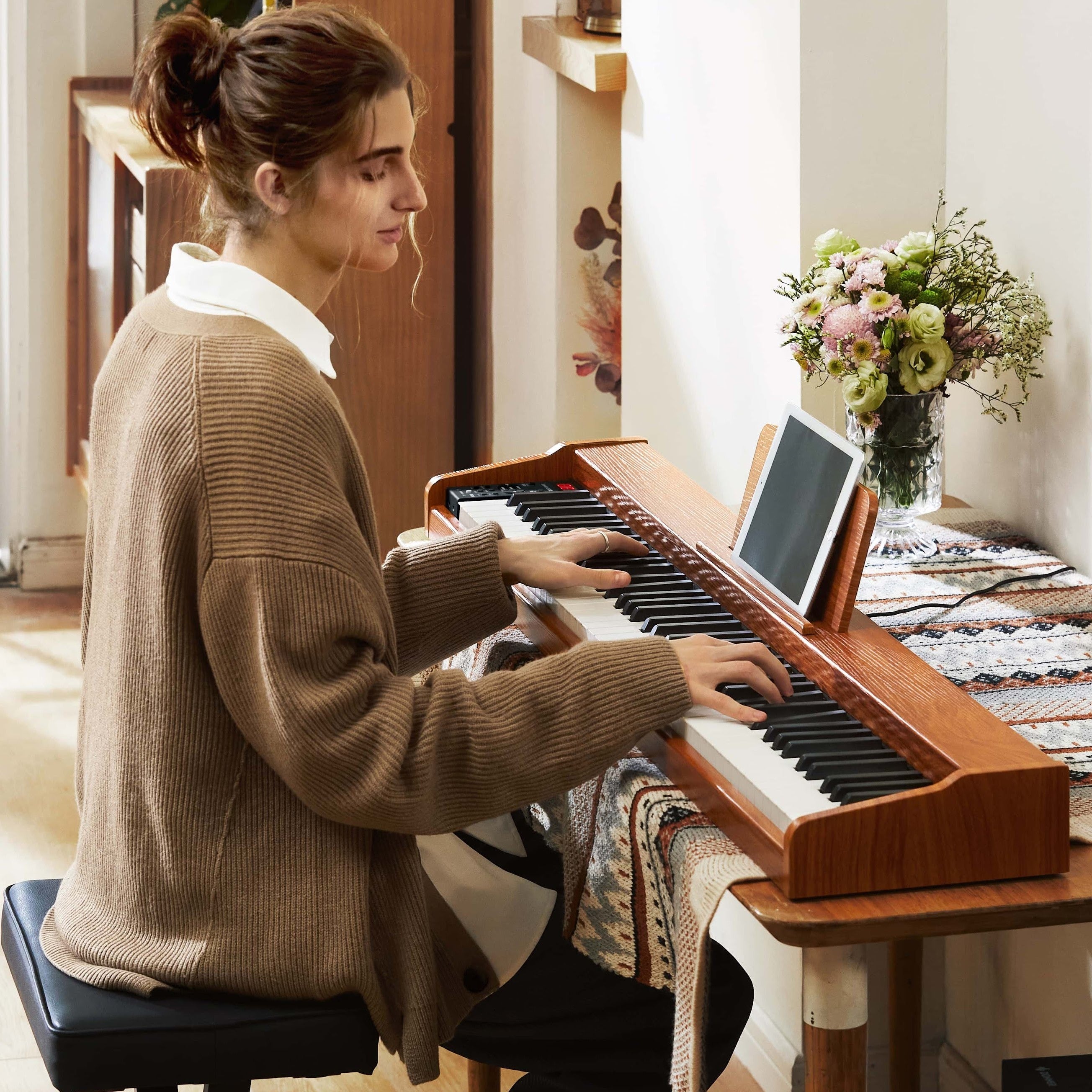


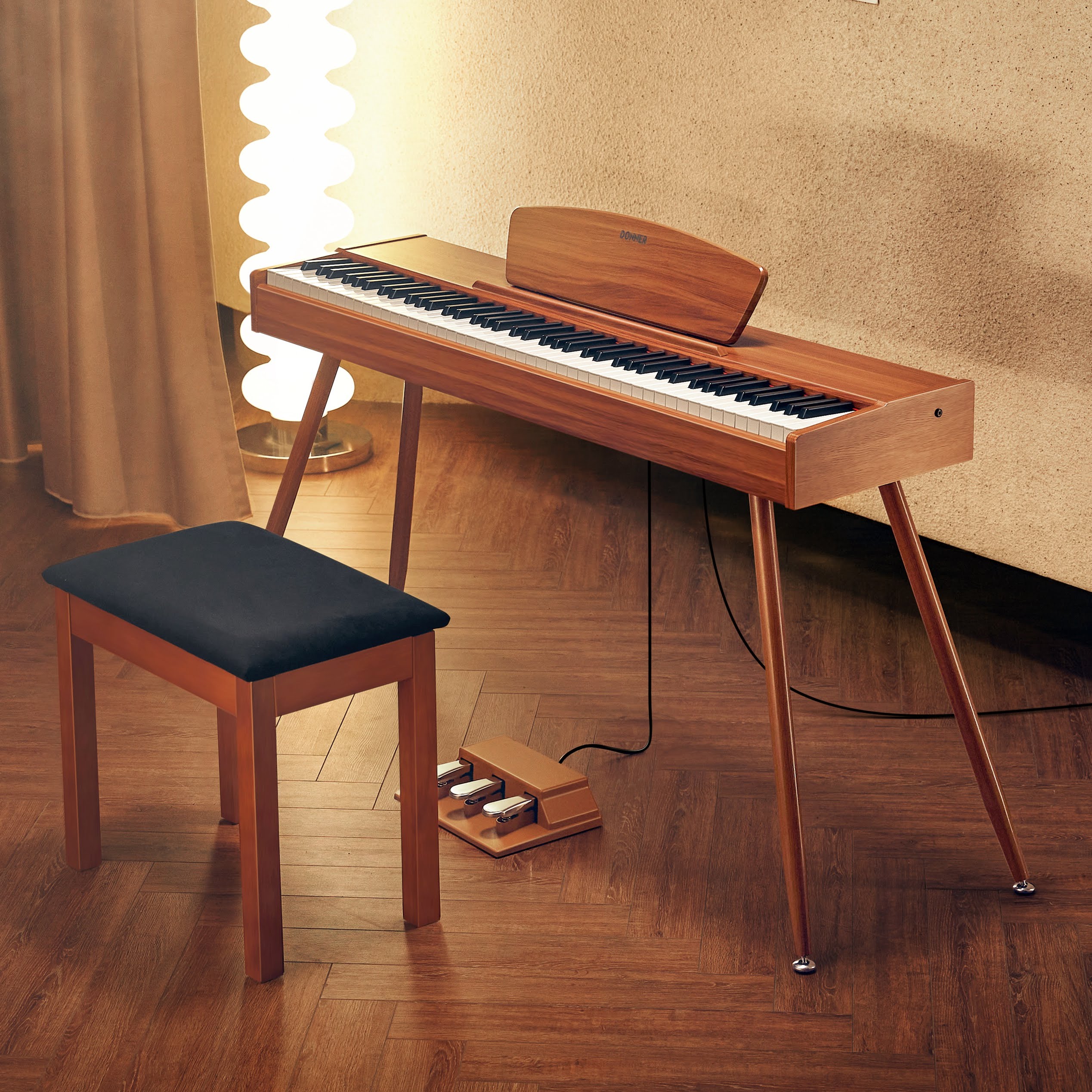


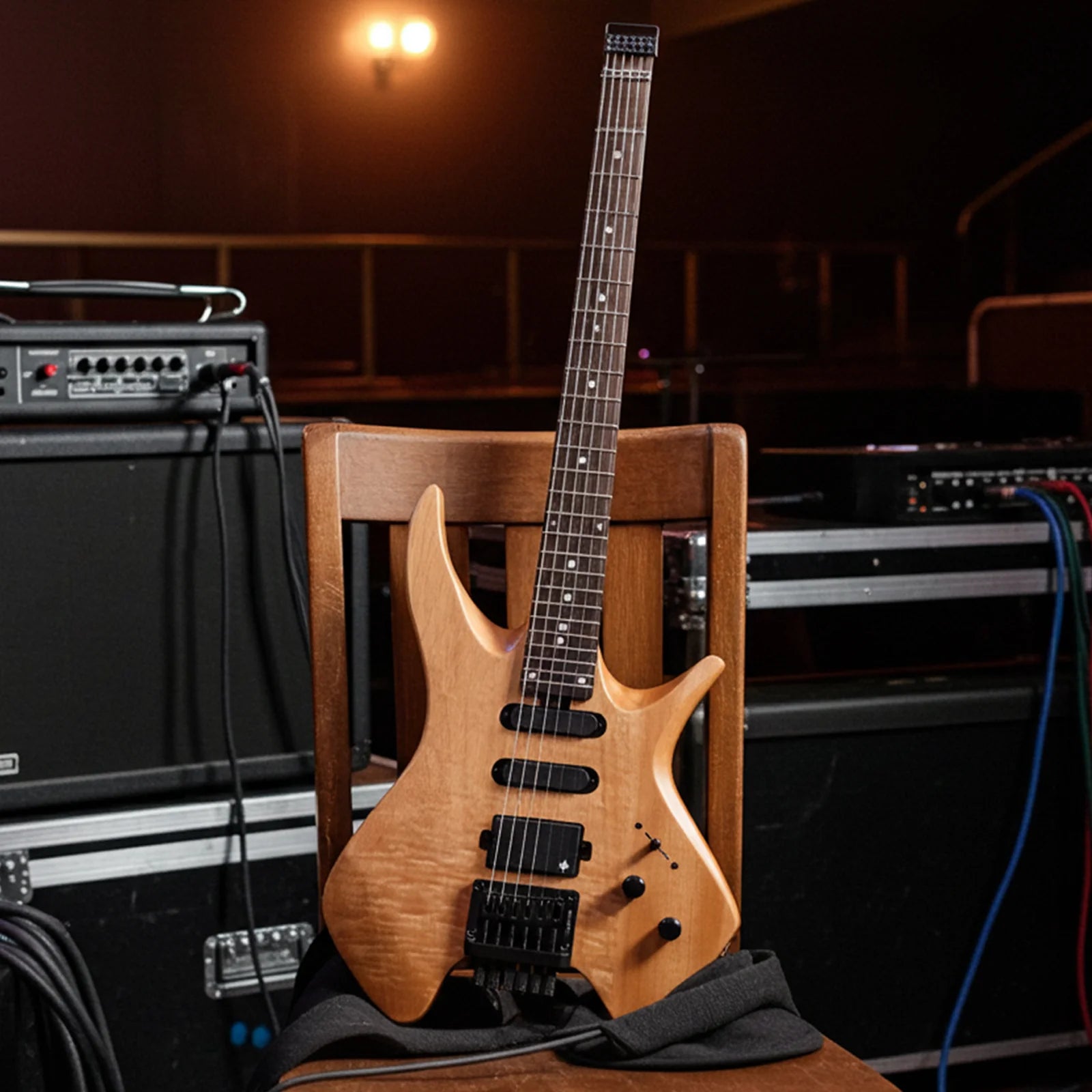

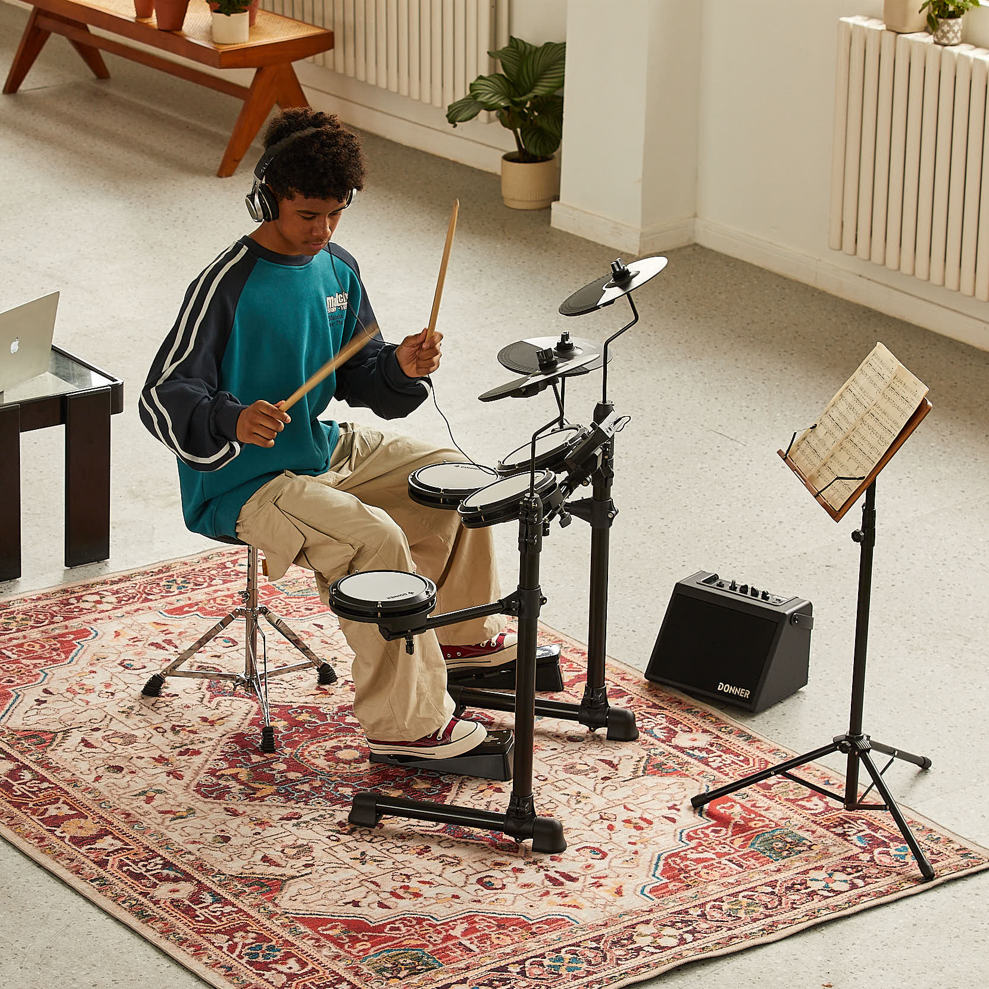

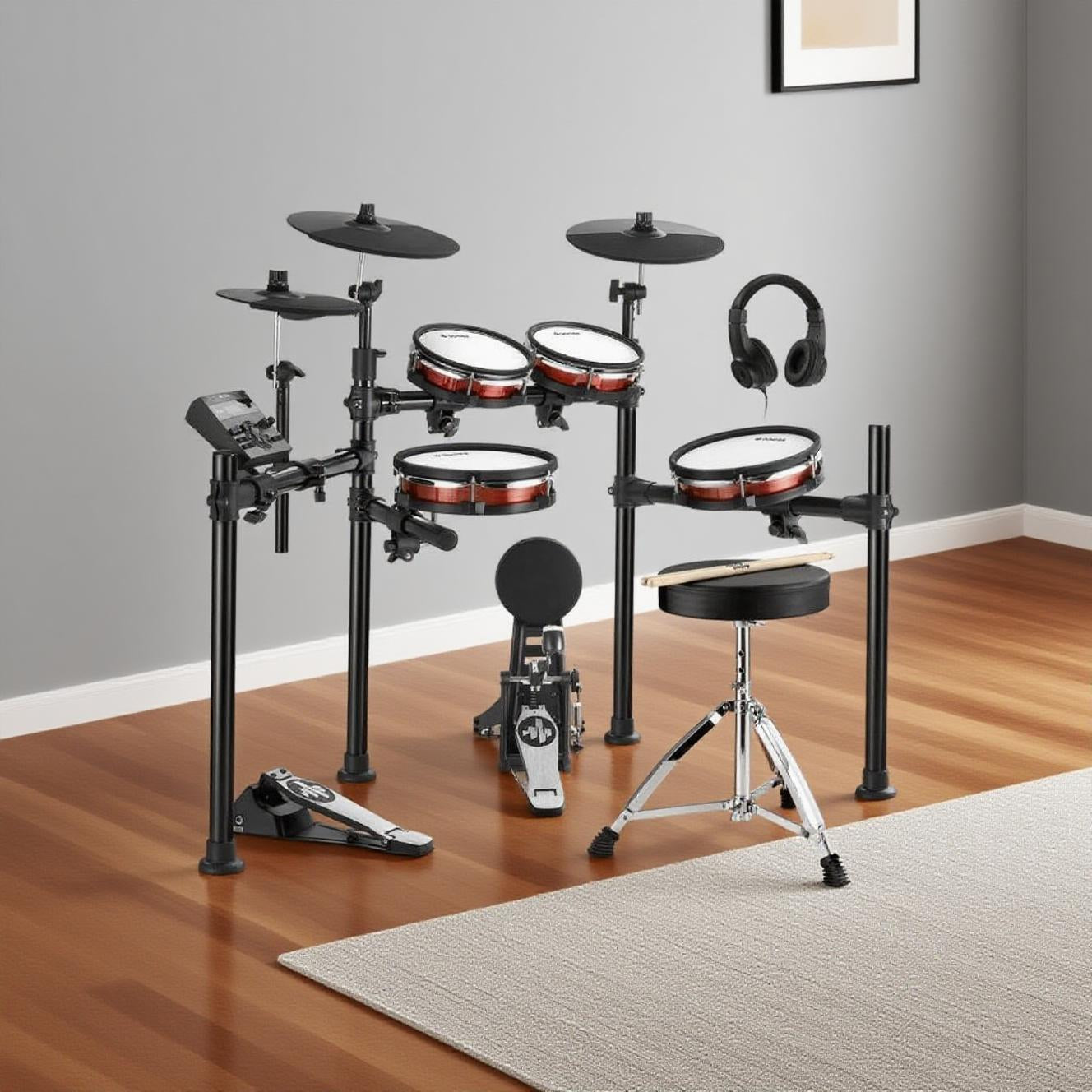
A digital keyboard uses recorded samples to reproduce real instrument sounds — piano, strings, organ. A synthesizer creates sounds from scratch by generating electronic waveforms and sculpting them with filters and modulation. Both have black and white keys, but they're built for fundamentally different creative goals.
You've probably spent hours watching YouTube producers — lo-fi beat makers, bedroom artists — and finally saved up your first $300-500. Then you opened a music store website and every product photo looked the same: electric keyboard, synthesizer, MIDI controller — all different names, identical pictures. The anxiety hit: "I can only afford one. What if I choose wrong?"
Here's the good news: that fear is mostly unwarranted. By the end, you'll know exactly which instrument fits your goals and why your first purchase won't lock you out of anything.

Table of Contents
1. What Is a Digital Keyboard?
2. What Is a Synthesizer?
3. Digital Keyboard vs Synthesizer: The Key Differences
3.1 Sound Generation — Samples vs. Synthesis
3.2 Key Action — Weighted vs. Synth-Action
3.3 Built-in Features — All-in-One vs. Sound Laboratory
3.4 Price & What You Actually Get
4. Can a Digital Keyboard Replace a Synthesizer?
5. Digital Keyboard vs Synthesizer for Music Production
6. Which One Should You Choose?
6.1 For Absolute Beginners
6.2 For Musicians Adding Keys to Their Setup
6.3 For Home Studio Producers
6.4 If You're Still Unsure (Decision Tree)
7. FAQ
8. Final Verdict
What Is a Digital Keyboard?
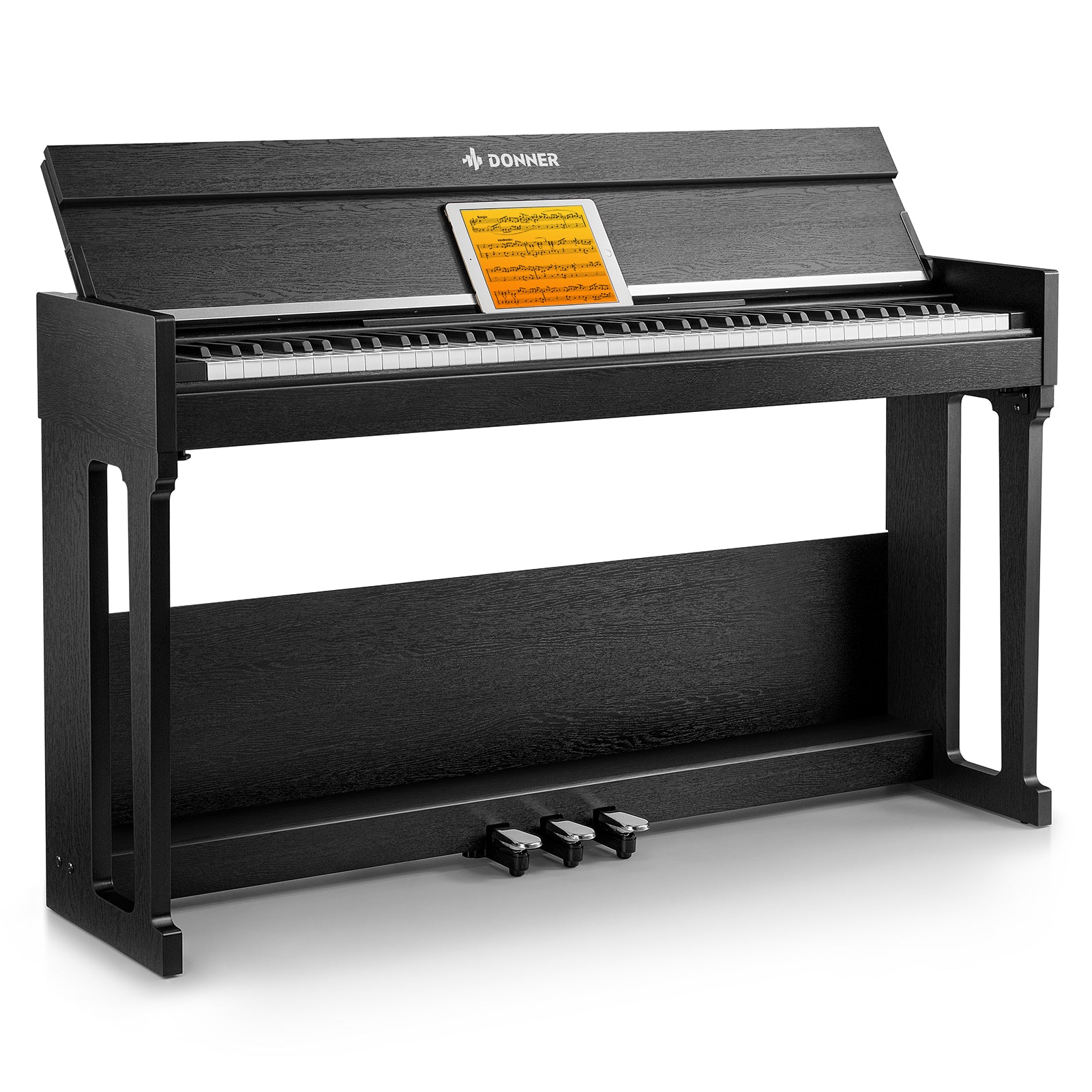
A digital keyboard or a keyboard piano is a self-contained electronic instrument. It reproduces realistic instrument sounds using high-quality audio recordings called samples. When you press a key, the keyboard plays back a pre-recorded sample of a real piano (or strings, organ, or another instrument) at the correct pitch and volume.
The primary focus is on delivering authentic piano sound and feel. Most electric keyboards include built-in speakers, so you can open the box and start playing immediately — no amplifier or external gear required.
Who it's for: Learners building proper piano technique. Home players who want instant playability. Anyone who needs a complete, ready-to-go instrument without additional setup.

What Is a Synthesizer?
A synthesizer (or "synth") generates sound from scratch rather than playing back recordings. Inside a synth, oscillators produce raw electronic waveforms — sine, sawtooth, square, triangle. Those waveforms pass through filters that shape the tone, envelopes that control how the sound starts and fades, and modulation sources that add movement and texture.
Instead of reproducing existing instruments, a synthesizer lets you create sounds that nobody has heard before. This is why synths are covered with knobs, sliders, and patch points — every control offers a way to reshape the sound in real time.
Who it's for: Sound designers exploring new timbres. Electronic music producers building unique sonic signatures. Live performers who need hands-on control over custom sounds. Synthesizers typically lack built-in speakers, so you'll need headphones, studio monitors, or an amplifier to hear them.
Synth components explained: An oscillator generates the raw tone. A filter removes or emphasizes specific frequencies. An ADSR envelope controls how the sound attacks, decays, sustains, and releases. A low-frequency oscillator (LFO) adds rhythmic movement like vibrato or wobble.

Digital Keyboard vs Synthesizer: The Key Differences
For our beginner with a $400 budget, these differences aren't academic — they determine whether you can start playing today or need to buy more gear before you make a sound.
Sound Generation — Samples vs. Synthesis
Keyboard pianos rely on PCM sampling. Engineers record thousands of individual piano notes at multiple volume levels, and the keyboard triggers the appropriate sample when you press a key. The result is instant, convincing realism — press a key and you hear a grand piano.
Synthesizers use oscillators to generate waveforms from zero. You start with a basic shape — a sawtooth wave, for example — and shape it with filters, envelopes, and modulation until it becomes your own unique sound. A synth can mimic other instruments, but its real strength is creating sounds no acoustic instrument can produce.
Why it matters: A keyboard means turn-on-and-play realism. A synth means you can design a sound nobody has heard before. Some keyboards include basic synth-style voices; some synths offer sampled piano presets. The overlap is growing, but the core identity remains distinct.
Key Action — Weighted vs. Synth-Action
Digital keyboards typically feature fully-weighted or semi-weighted hammer action keys. Small hammers inside each key simulate the resistance of an acoustic piano. Weighted keys build proper finger strength and allow expressive dynamic control — press softly and the note plays quietly; press firmly and it rings out.
Synthesizers use unweighted or semi-weighted synth-action keys. These are spring-loaded, lighter, and faster than weighted keys. They're designed for rapid lead lines, organ glissandos, and the kind of quick fingerwork that electronic genres demand.
Why it matters: If learning piano technique is your goal, weighted keys are non-negotiable. If you're running synth basslines and leads all night, light synth-action is actually better for your hands.
Built-in Features — All-in-One vs. Sound Laboratory
Digital keyboards are self-contained musical instruments. They include built-in speakers, auto-accompaniment rhythms, hundreds of preset voices, lesson modes, and often built-in recording. Open the box, plug it in, and you're making music immediately.
Synthesizers strip away everything except sound creation. No built-in speakers. No auto-accompaniment. No preset voice libraries in the hundreds. Instead, you get extensive sound-shaping controls — filter cutoff knobs, envelope sliders, modulation routing, patch memory for saving your creations. A synth rewards deep exploration over instant gratification.
Why it matters: A keyboard works as a complete instrument out of the box. A synth is a creative tool that needs external speakers or headphones and hours of hands-on experimentation to unlock its potential.
Price & What You Actually Get
Entry-level keyboard piano ($200-500): Weighted or semi-weighted keys, built-in speakers, 100+ built-in voices, USB-MIDI connectivity, often with lesson features and accompaniment styles. Everything needed to start playing piano or making music on day one.
Entry-level hardware synthesizer ($300-800): A sound engine with synth-action keys, extensive sound-shaping controls, patch memory, and typically no built-in speakers. You'll need headphones ($20-100) or studio monitors ($100-300) on top of the purchase price.
The hidden advantage: A $400 digital keyboard gives you digital piano capability plus a MIDI controller for computer-based synthesis. A $400 synthesizer gives you sound design but often fewer keys, no speakers, and a narrower range of use. For a beginner with a single budget, the digital keyboard stretches further.

Can a Digital Keyboard Replace a Synthesizer?
Not entirely — but it can get you most of the way there, especially as a beginner.
Every modern keyboard piano includes USB-MIDI or traditional 5-pin MIDI output. MIDI (Musical Instrument Digital Interface) is the standard protocol that lets your keyboard communicate note data to other devices or software. When you connect a digital keyboard to a computer running a DAW (Digital Audio Workstation — software like Ableton Live, Logic Pro, or FL Studio), the keyboard becomes a MIDI controller.
Load a free synthesizer VST plugin — Vital, Surge XT, or the thousands of preset-rich soft synths available online — and your digital keyboard now triggers sounds that compete with hardware synthesizers costing thousands of dollars.
This is the moment everything changes for our beginner. The digital keyboard they were already leaning toward can also be their gateway into synthesis. No second purchase required.
A Donner keyboard piano with MIDI connectivity serves both roles: a piano instrument for learning technique and practicing, and a MIDI controller for exploring unlimited synth sounds through software. One device, two creative worlds.
The limitation: You're tied to a computer. If you want hands-on, hardware-only synthesis — twisting knobs on a standalone device without a laptop — a dedicated synth remains the better choice. For most beginners starting out, though, the keyboard-plus-computer route offers more versatility per dollar.
[IMG: Donner keyboard connected via USB cable to a laptop running a DAW with a synth plugin on screen]
Digital Keyboard vs Synthesizer for Music Production
The right choice depends on how you work. Here are two producer profiles:
Producer A (keyboard workflow): Records piano and keyboard parts directly on the instrument. Uses the MIDI output to trigger software synthesizers inside a DAW for synth sounds. One keyboard covers piano recording, synth triggering, and MIDI controller duty. This workflow is versatile, cost-effective, and ideal for producers who need a single central instrument.
Producer B (synth workflow): Designs sounds from scratch on a hardware synthesizer, tweaking oscillators, filters, and modulation in real time. Records the audio output directly into the DAW. The synth is a dedicated sound-design instrument, offering hands-on control but a narrower overall sound palette compared to software-based alternatives.
Genre matters: Digital keyboards suit pop, rock, jazz, and singer-songwriter production — any style that needs authentic piano and keyboard sounds. Synthesizers dominate electronic, ambient, hip-hop, and film scoring — genres where unique sound design is the creative centerpiece.
If the lo-fi beats and electronic textures that inspired our beginner are their target, a digital keyboard plus free VST software synths covers everything in a single purchase. One producer we spoke with started exactly that way — a basic electric keyboard plugged into a laptop running free VSTs. Within a year, they had released three EP's and never bought a hardware synth.
The hybrid reality: Many modern digital keyboards include built-in synth engines alongside their sampled voices. Workstations combine weighted keys, sampling, synthesis, and sequencing in one instrument. Donner's product range fits naturally here — digital keyboards that serve both the piano learner and the aspiring producer.

Which One Should You Choose?
For Absolute Beginners
If you're that person just starting out, with one budget and big ambitions — here's the honest answer:
Your goal is to learn piano: Buy a digital keyboard with weighted keys. Proper technique starts with proper action.
Your goal is to make electronic music: Buy a MIDI keyboard controller and pair it with free VST synths. This is the cheapest entry point.
Your goal is both (and this is most people): Buy a electric keyboard with MIDI output. You'll learn piano properly with weighted keys, and when you're ready to explore synthesis, connect it to your computer and start working with software synths. One purchase covers both paths.
For Musicians Adding Keys to Their Setup
If you're a guitarist, bassist, or drummer who wants to add pads, textures, or keyboard parts to your recordings, a digital keyboard with MIDI out is the practical choice. It gives you authentic piano sounds for songwriting and the ability to trigger synth textures via software — all in one compact device that fits alongside your existing gear.
For Home Studio Producers
Budget-minded: Keyboard piano plus DAW plus software synths. This setup offers the most versatility per dollar and scales with your skills.
Sound-design focused: A hardware synthesizer for hands-on sound sculpting plus a digital keyboard for piano parts. This is the two-instrument approach that gives you the best of both worlds — but it requires a larger budget.
If You're Still Unsure (Decision Tree)
Answer three questions:
-
Do you want to learn piano with proper technique?
Yes → Choose a keyboard piano with weighted keys
No → Consider a synth or MIDI controller -
Do you want to create sounds from scratch?
Yes → Choose a synthesizer, or a digital keyboard with VST software synths
No → A keyboard piano's preset voices will cover your needs -
Do you need built-in speakers for instant play?
Yes → Choose a digital keyboard
No → Either option works; you can add external speakers later
FAQ
Can I learn piano on a synthesizer?
The notes are laid out in the same order, so you can practice scales and chords. But synth-action keys won't build proper finger strength. A digital keyboard with weighted keys is significantly better for learning piano technique.
Do digital keyboards have synthesizer sounds built in?
Many do. Donner digital keyboards include synth-style voices alongside acoustic piano tones, offering basic synth timbres without requiring a second device.
Is a MIDI keyboard the same as a synthesizer?
No. A MIDI keyboard makes no sound on its own — it sends note data to a computer or external sound module. A synthesizer generates its own sound internally.
Can I connect a digital keyboard to synth apps?
Yes, via USB-MIDI. This is one of the most practical beginner setups: use your digital keyboard as a controller for iPad or computer synth apps, turning it into both a piano and a synthesizer.
Which is cheaper: keyboard or synthesizer?
Entry-level keyboards are generally more affordable and include speakers. Entry-level synthesizers can be similarly priced, but require headphones or studio monitors — adding $50-200 to your total cost.
What if I want both piano and synth features in one device?
Look for digital keyboards with built-in sound-editing capabilities and synth-style voices, or consider a workstation keyboard that combines weighted keys with a full synthesis engine. That middle ground is where most beginners find their answer.
Final Verdict
The right choice isn't about which instrument is technically better — it's about which one fits your musical path right now. If you want to learn proper piano technique and start playing immediately, a digital keyboard is the answer. If sound design is your creative engine, a synthesizer is the tool you need.
And if you want both — like most beginners — a digital keyboard with MIDI connectivity gives you real piano feel today and infinite synth exploration tomorrow, all in one purchase. That beginner who started this article staring at nearly identical product photos? They now know exactly what to buy. Their first instrument won't lock them out of anything. Explore Donner keyboard pianos to find the one that fits your creative journey.