






When shopping for a digital piano, one of the most common recommendations is simple:
Get an 88-key, full-size keyboard.
For many players, this is still solid advice. An 88-key piano gives you the full musical range of a traditional piano and matches what you’ll find on most acoustic instruments.
But there’s an important detail that often gets overlooked:
“88 keys” and “full-size keys” are not the same thing.
An 88-key keyboard can still offer the full piano range while using slightly narrower keys than the standard acoustic layout.
So the real question isn’t just how many keys you need, but how those keys feel under your hands.
What “Full-Size” Really Means
There are two separate ideas that often get mixed up:
- Key count: 88, 76, 61 keys, etc.
- Key width: standard-size vs. narrower keys
A modern piano has 88 keys covering the full range of notes used in classical and contemporary music.
Standard piano keys are based on an octave width of about 6.5 inches (16.5 cm). This has become the long-standing reference point for most acoustic and digital pianos.
However, an 88-key instrument does not have to follow this exact spacing. Some models keep the full range but slightly reduce key width.
That means:
- You still get all 88 notes
- But the physical reach between notes is smaller
In simple terms:
88 keys = musical range
Key width = physical spacing
These are two independent design choices.

Why Standard Keyboards Are the Default
The modern piano layout has been standardized for over a century, and that consistency is one of its biggest strengths.
If you learn on a standard keyboard, you can move between most acoustic pianos, digital pianos, and performance instruments without adjusting your muscle memory.
This is especially important if you:
- Take formal piano lessons
- Practice on different instruments
- Perform in recitals or exams
- Study classical repertoire
- Want a realistic acoustic piano feel
Because of this, most digital pianos on the market still use standard key dimensions.
For many players, this makes a standard 88-key keyboard the safest and most universal choice.
But Is Standard Size Comfortable for Everyone?
Not always.
Hand size varies significantly between individuals. Research on adult pianists shows a wide range of hand spans, with averages around 8.2 inches (20.8 cm) overall, and noticeable differences between individuals.
However, these measurements don’t directly determine playing ability. They simply highlight an important fact:
There is no single hand size that fits every pianist perfectly.
For some players, especially when playing octaves, wide chords, or fast stretches, standard key spacing can feel physically demanding.
Biomechanical studies also suggest that smaller hand spans may require greater finger extension and muscle effort when using standard keyboards. In some cases, slightly narrower keys can reduce strain and improve comfort.
This doesn’t mean standard keyboards are “wrong.” It simply means:
keyboard size can affect comfort, and comfort matters.
Should You Choose a Standard 88-Key Piano?
For most players, the answer is still yes.
A standard 88-key digital piano is usually the best starting point if you want:
1. A traditional piano experience
It matches the layout used in most acoustic pianos.
2. Easy transition between instruments
You can move between home practice and real pianos without adjustment.
3. Classical and advanced repertoire
Many pieces assume standard key spacing for large intervals and chords.
4. Long-term flexibility
It keeps all learning and performance options open.
5. A realistic playing feel
Especially when paired with weighted or hammer-action keys.
If you are unsure, standard size is still the most reliable default.

When a Narrower 88-Key Keyboard Makes Sense
A narrower keyboard can be a good option when comfort becomes a real concern.
You might consider it if:
- Standard octaves feel consistently uncomfortable
- Large chords require excessive stretching
- You feel tension in your hands or wrists
- You have smaller hands and struggle with reach
- You’ve already tried standard keys and prefer a closer spacing
The key point is not to rely on numbers alone. Hand flexibility, posture, technique, and playing style all matter.
Whenever possible, try both types before deciding.
A Simple Way to Test Fit
You don’t need special tools to evaluate keyboard comfort.
Sit at a piano and play:
- Octaves
- Chords (major and minor)
- Arpeggios
- Repeated patterns
Then ask yourself:
- Can I reach notes without strain?
- Do my hands feel relaxed?
- Can I repeat movements comfortably?
- Does anything feel forced or unnatural?
If standard keys feel natural, there’s no need to change.
If they consistently feel too wide, a narrower keyboard may be worth exploring.
Don’t Confuse Fewer Keys With Smaller Keys
This is a common misunderstanding.
An 88-key keyboard with narrower keys still gives you:
- The full piano range
- The same low and high notes
- The same musical possibilities
The only difference is spacing.
So instead of thinking:
“This is a smaller piano”
Think:
“This is a full piano with a different key layout”
That is very different from switching to a 61-key or 76-key keyboard, where musical range is actually reduced.

What About Beginners?
For beginners, a standard 88-key piano is usually the best choice.
Learning piano involves many skills at once:
- Finger technique
- Rhythm and timing
- Reading music
- Coordination
- Hand independence
A full-size keyboard gives you room to grow without limitations.
However, if a beginner feels real discomfort, that should not be ignored. The best instrument is always the one that encourages consistent practice.
What About Children?
For children, hand size is still developing, so flexibility is important.
In most cases, a standard 88-key digital piano is still the best long-term investment.
What matters more than key size is:
- Proper bench height
- Relaxed posture
- Comfortable reach
- Enjoyment of practice
- Teacher guidance
If a child struggles significantly with reach, it’s better to consult a teacher rather than immediately changing keyboard size.
Key Size Is Only One Factor
When choosing a digital piano, key width should be considered alongside other important features:
- Key action: weighted or hammer mechanism
- Touch sensitivity: dynamic response
- Pedals: sustain and full pedal systems
- Build quality: stability and durability
- Size: fit for your living space
Even two 88-key pianos can feel completely different depending on their action and design.
Product Recommendations
If you are looking for a reliable starting point, here are two options worth considering:
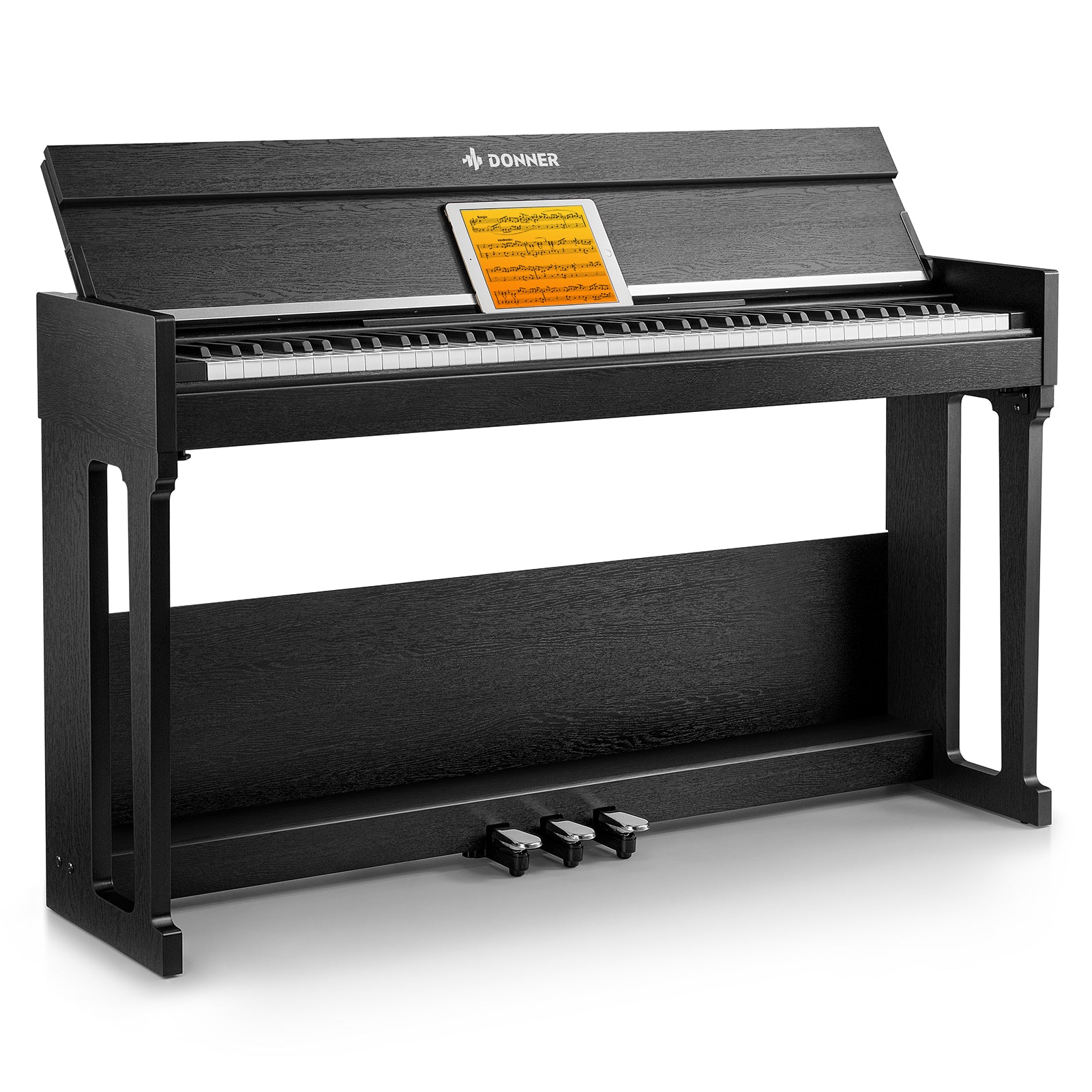
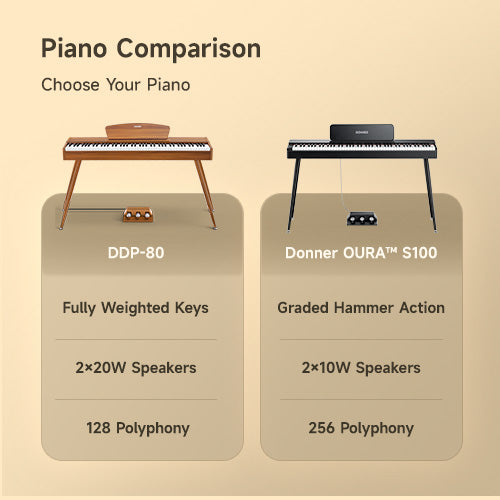
🎹 Standard 88-Key Digital Piano (Best All-Around Choice)
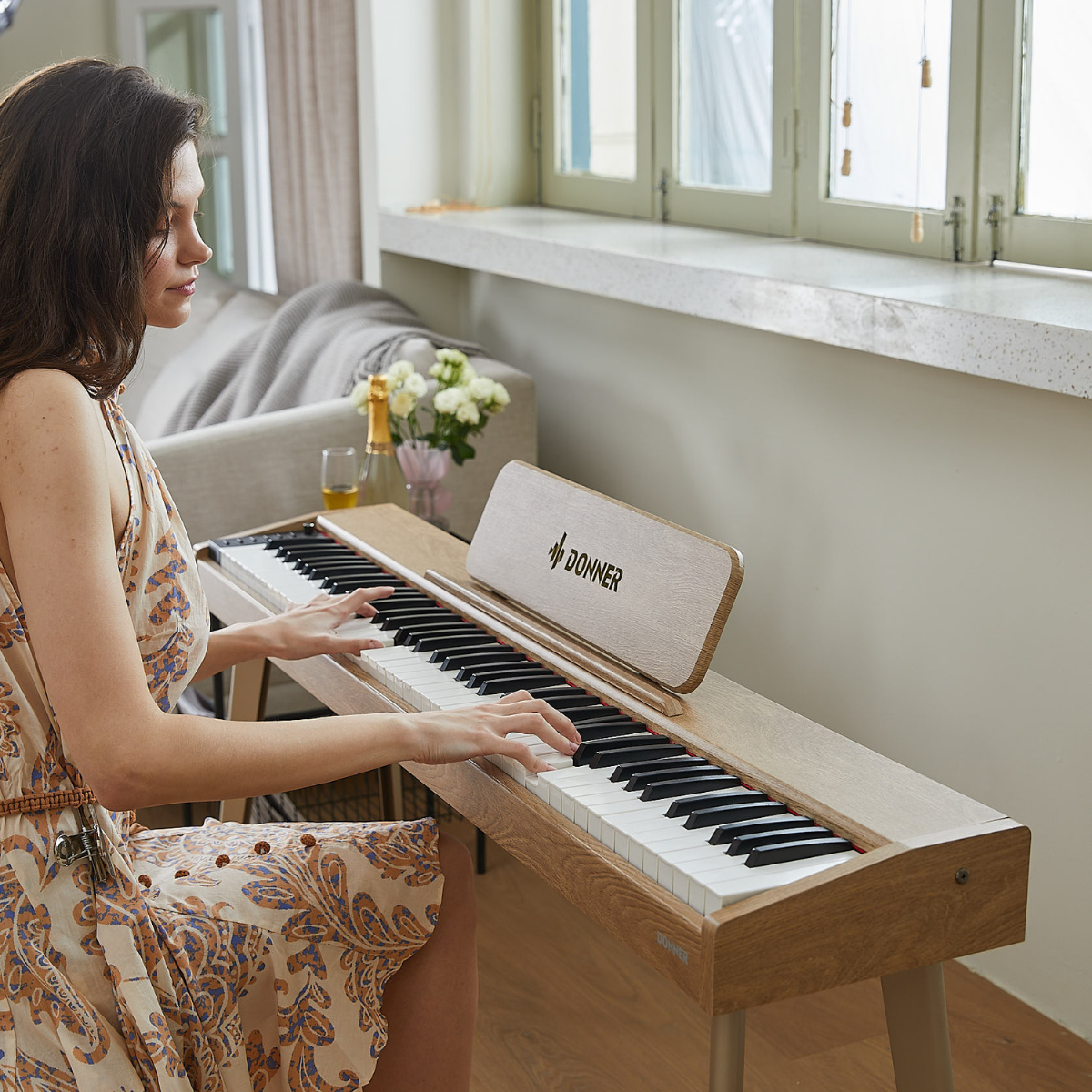
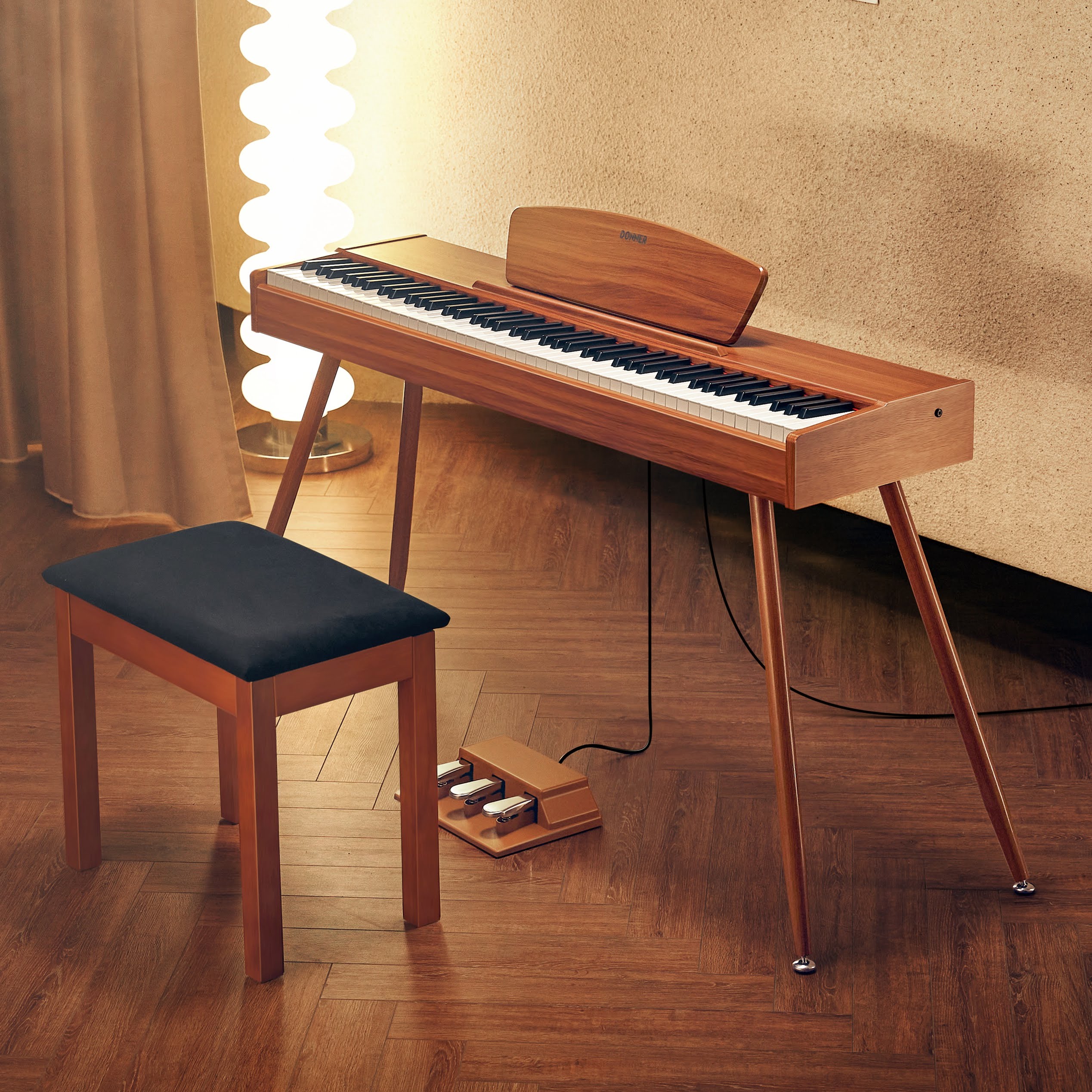
A full-size 88-key digital piano with weighted hammer action, designed to closely replicate the feel of an acoustic piano. Ideal for beginners, students, and long-term learning.

Donner DDP-80 Weighted Digital Piano
for Beginners to Advanced Players
- Standard 88 Key Weighted Hammer Action Keyboard
- Wooden & Compact Design
- Pure Grand Piano Sound with 2 Stereo Surround Speakers
🎹 Compact 88-Key Digital Piano (Space-Saving Option)
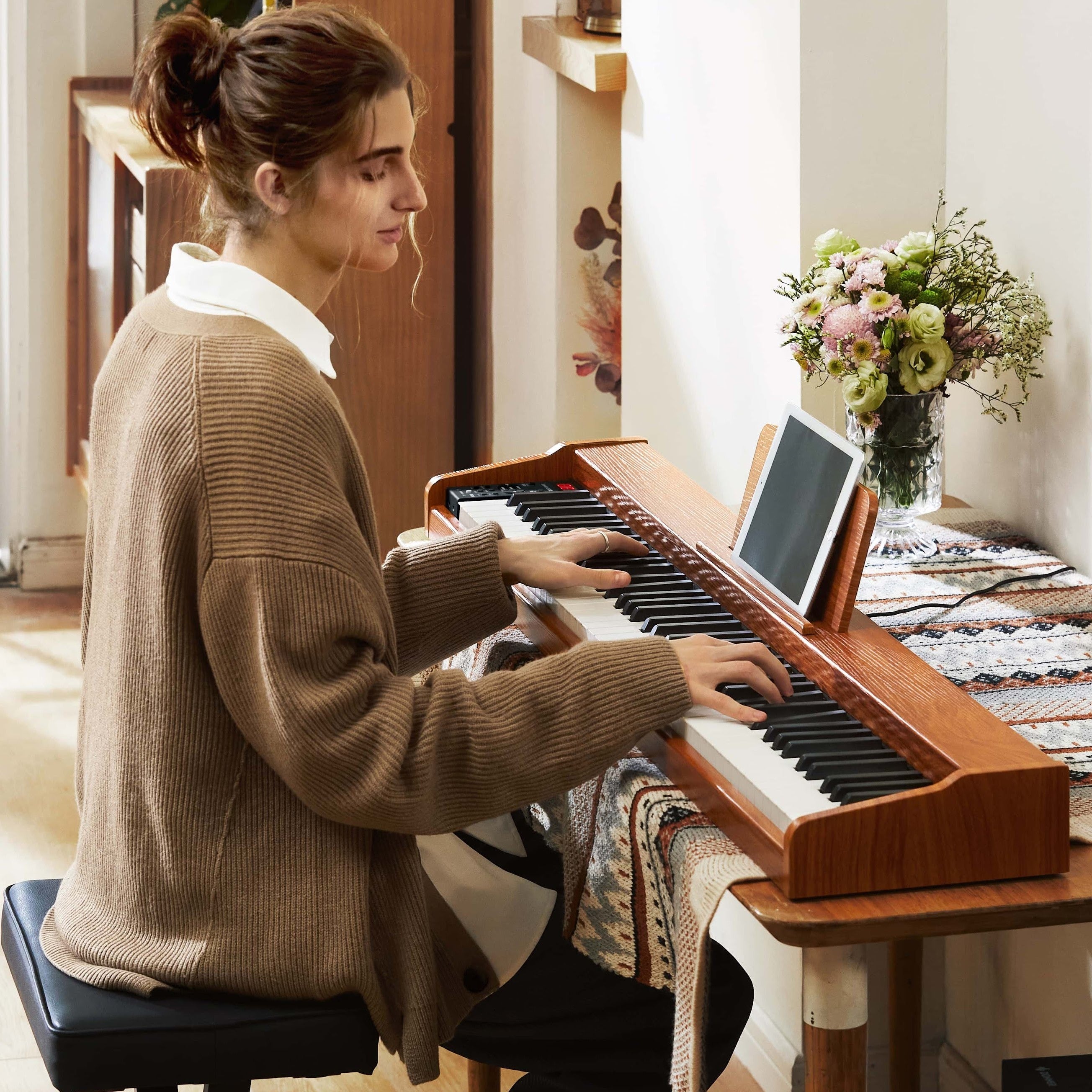
A slimmer 88-key model that maintains full piano range while reducing overall footprint. Great for apartments, small studios, or players who need portability without sacrificing key count.
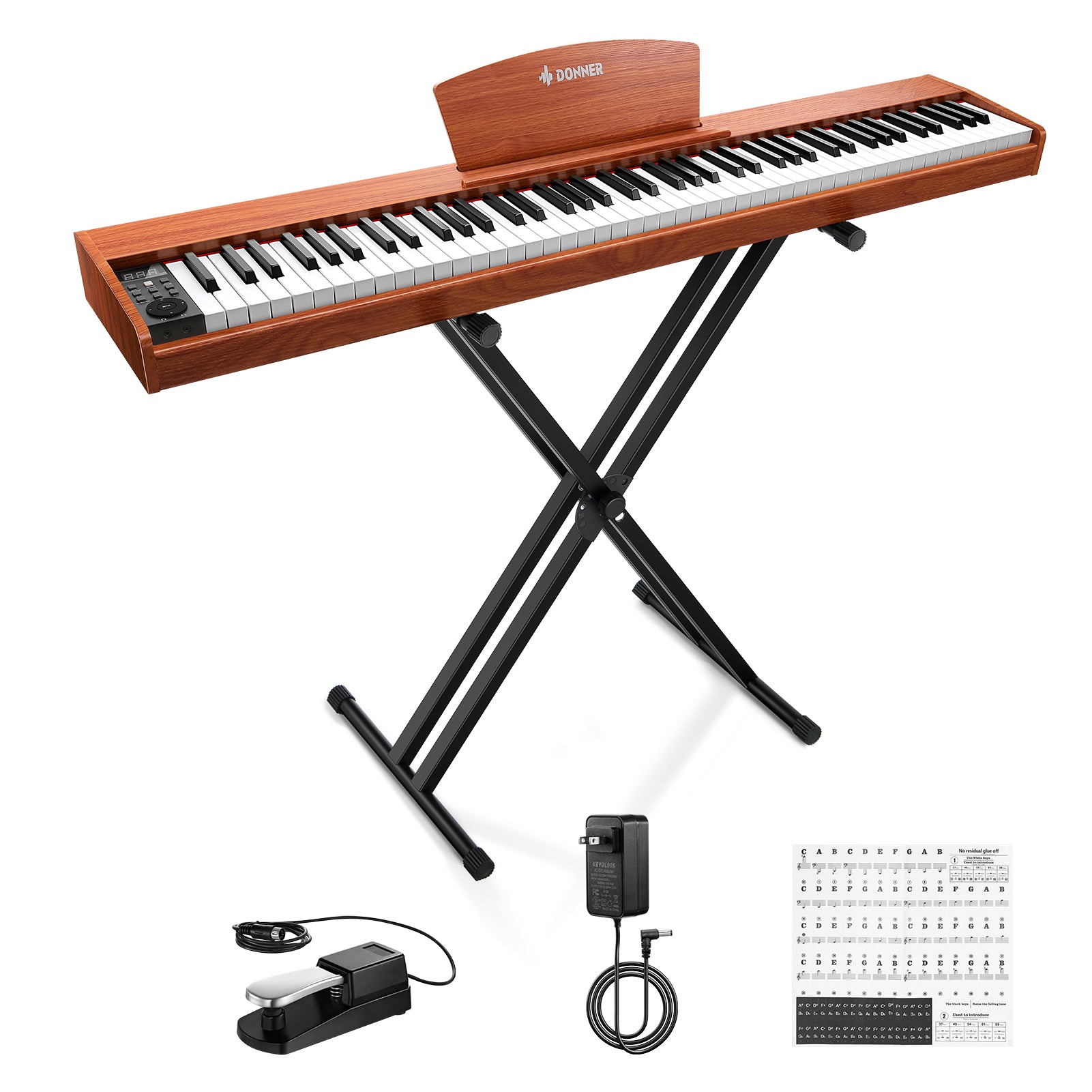
Donner DEP-1S Digital Piano
for Beginners & Piano Lovers
- 88 Key Velocity-sensitive Keyboard with Five Touch Levels
- Bluetooth/ USB Audio & MIDI
- 128 Tones, 100 Rhythms, and 88 Demo Songs
Final Thoughts
The piano has used a standardized keyboard layout for generations, and for good reason—it works well for most players.
But “standard” does not mean “perfect for everyone.”
Your hands, comfort, and playing experience matter just as much as tradition.
For most people, a standard 88-key digital piano remains the safest and most versatile choice.
For others, a narrower 88-key keyboard may offer a more comfortable and ergonomic experience.
So when choosing a digital piano, don’t just ask:
“Does it have 88 keys?”
Ask instead:
“Does it feel right for me?”
That is the question that truly matters.