






The 2026 World Cup final halftime show put several pop languages on the same stage: BTS opened with dance-pop energy, Madonna performed "Music," and Shakira and Burna Boy performed "Dai Dai." The useful takeaway for a player is not the scale of the production. It is how clearly each section gave one musical job to chords, a hook, a guitar accent, or a drum pattern. Start with the sound that made you look up, then build a small original version of that feeling at home.

Pop starts with bright chords and a clean guitar pulse
Madonna's "Music" is a useful pop reference because the arrangement can feel big without becoming busy. A bright chord lands, the beat keeps moving, and a short hook returns before the listener has time to lose it. That balance is worth borrowing. You do not need a full stadium arrangement to make a pop idea feel immediate; you need a part that says something clearly, then leaves enough room for the next part to answer it.
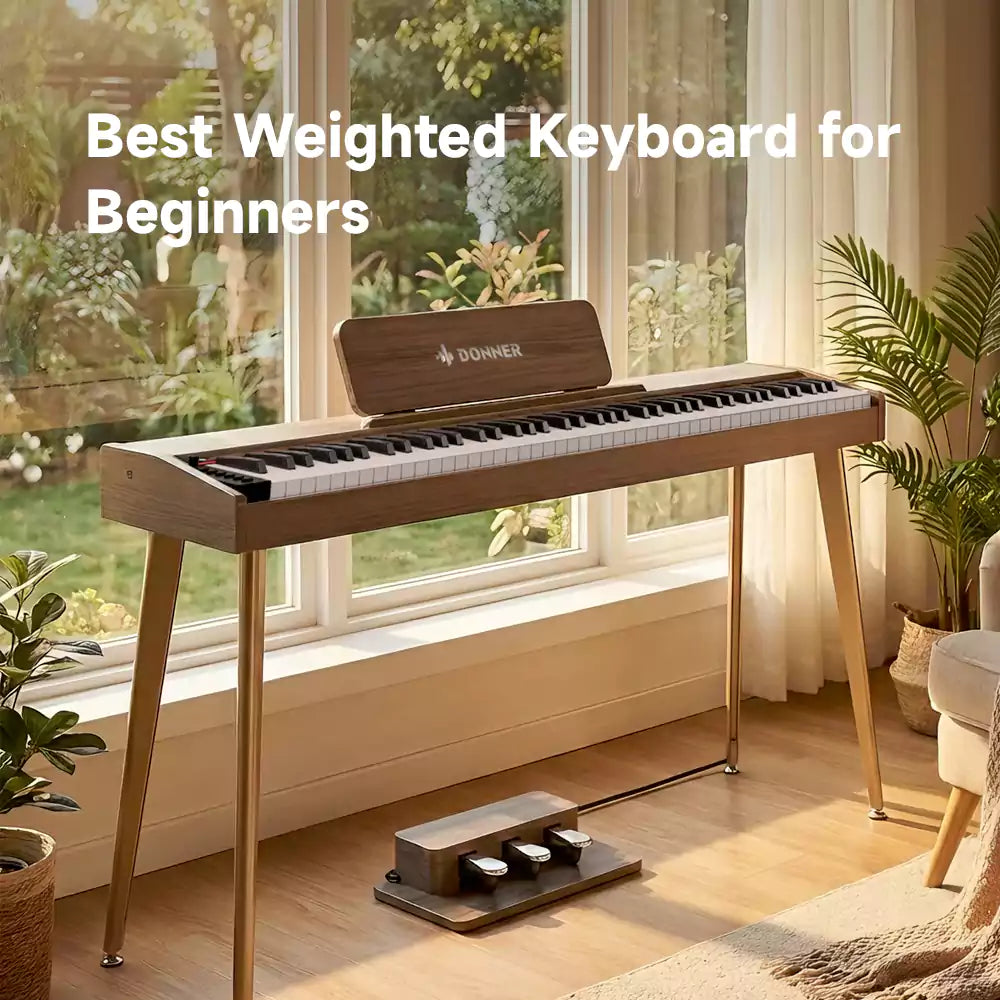
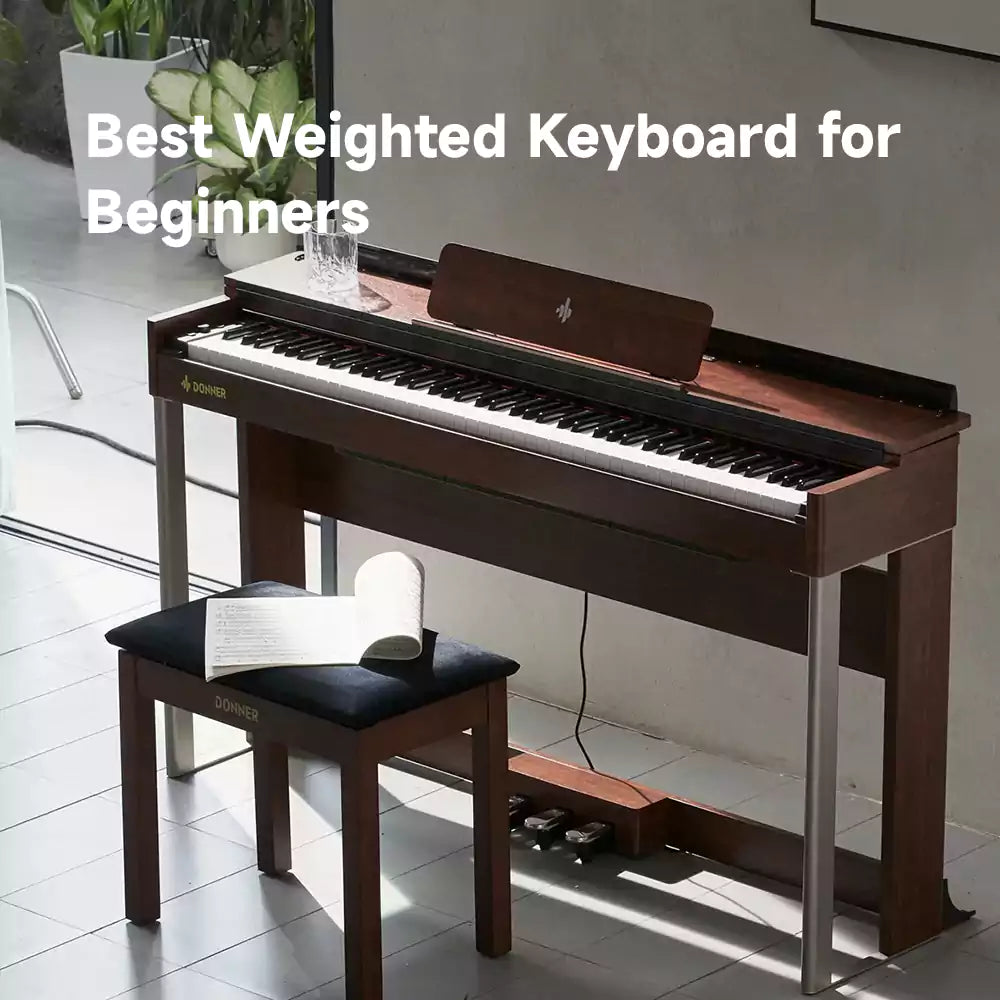
Begin with four bars. On a keyboard piano, play a simple two- or three-chord loop with a steady left hand and short right-hand chord stabs. Keep the rhythm crisp rather than filling every gap. Once the loop feels solid, sing or play a five-note phrase over the top. If the phrase still works when you stop playing the chords, it is probably a strong starting hook.
The clean electric guitar part has a different job. It is not there to replace the chord instrument. It can add a brief upstroke, a muted pulse, or one answer at the end of a vocal-sized phrase. Think of it as punctuation. A guitar part that enters for two beats and disappears can make a basic loop feel more physical than a long solo ever will.
The key is contrast: sustained sound against short sound, a stable chord bed against a small rhythmic surprise. Record a quick phone memo after each change. The version that makes you nod before you can explain why is the one to keep developing.
Two ways to build the pop foundation
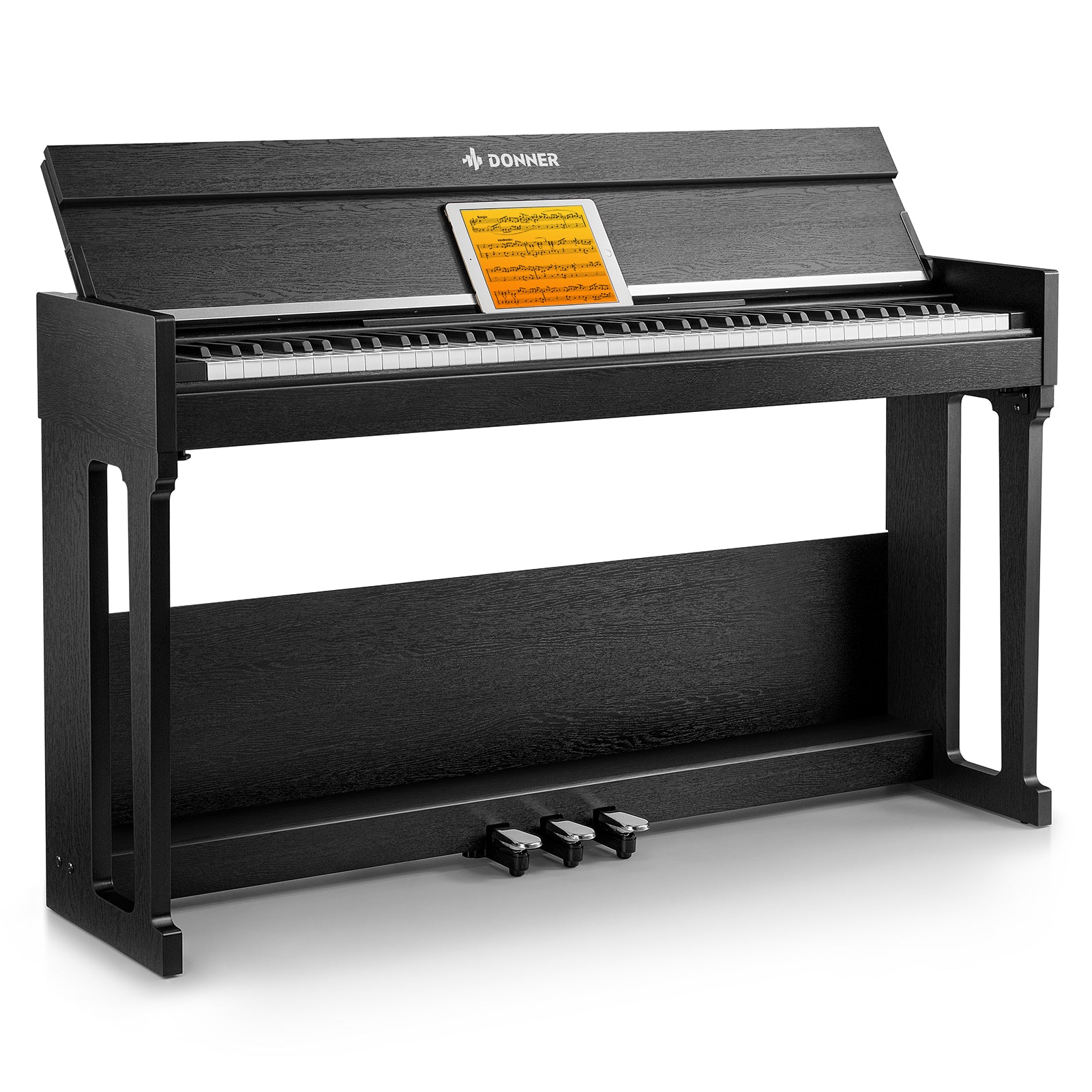
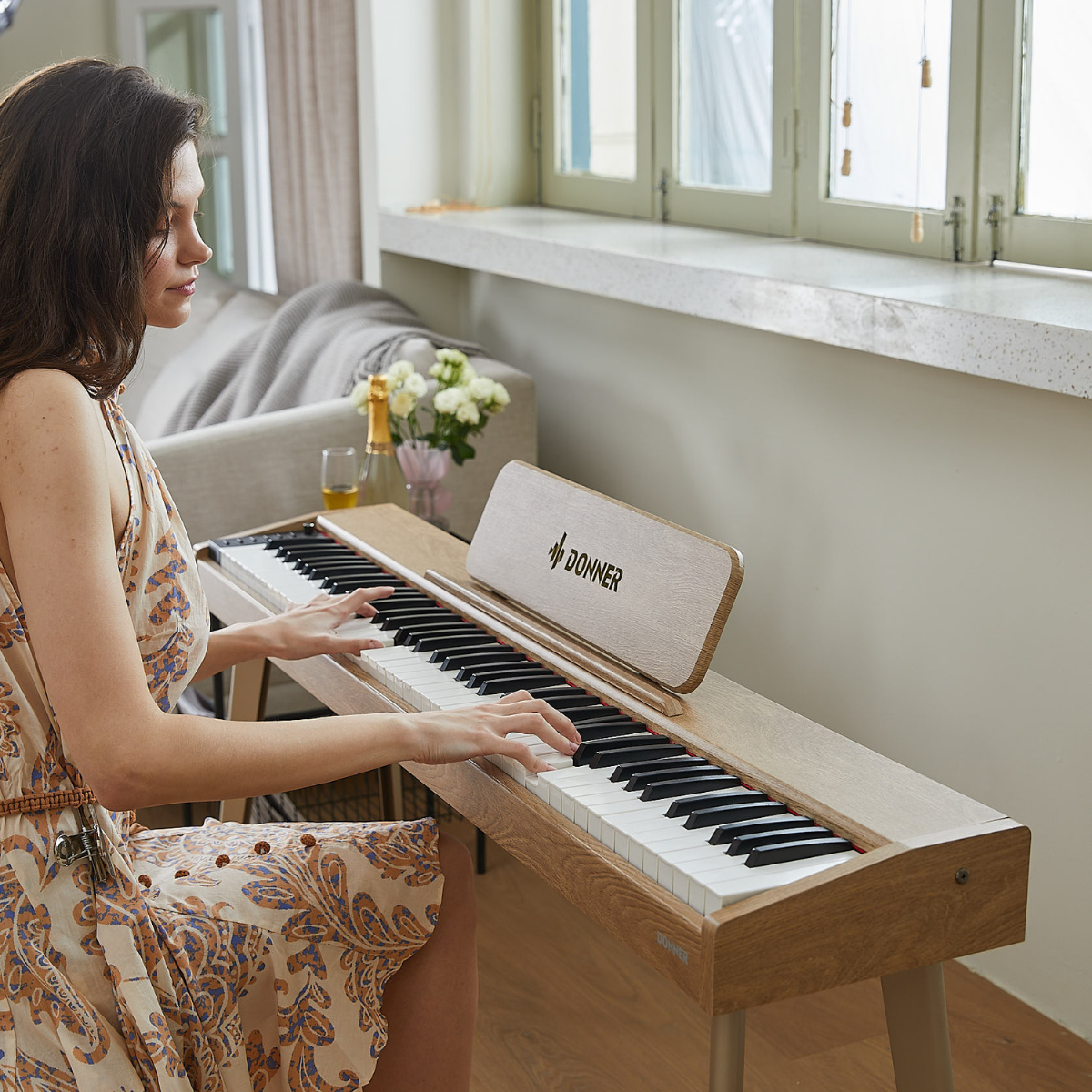
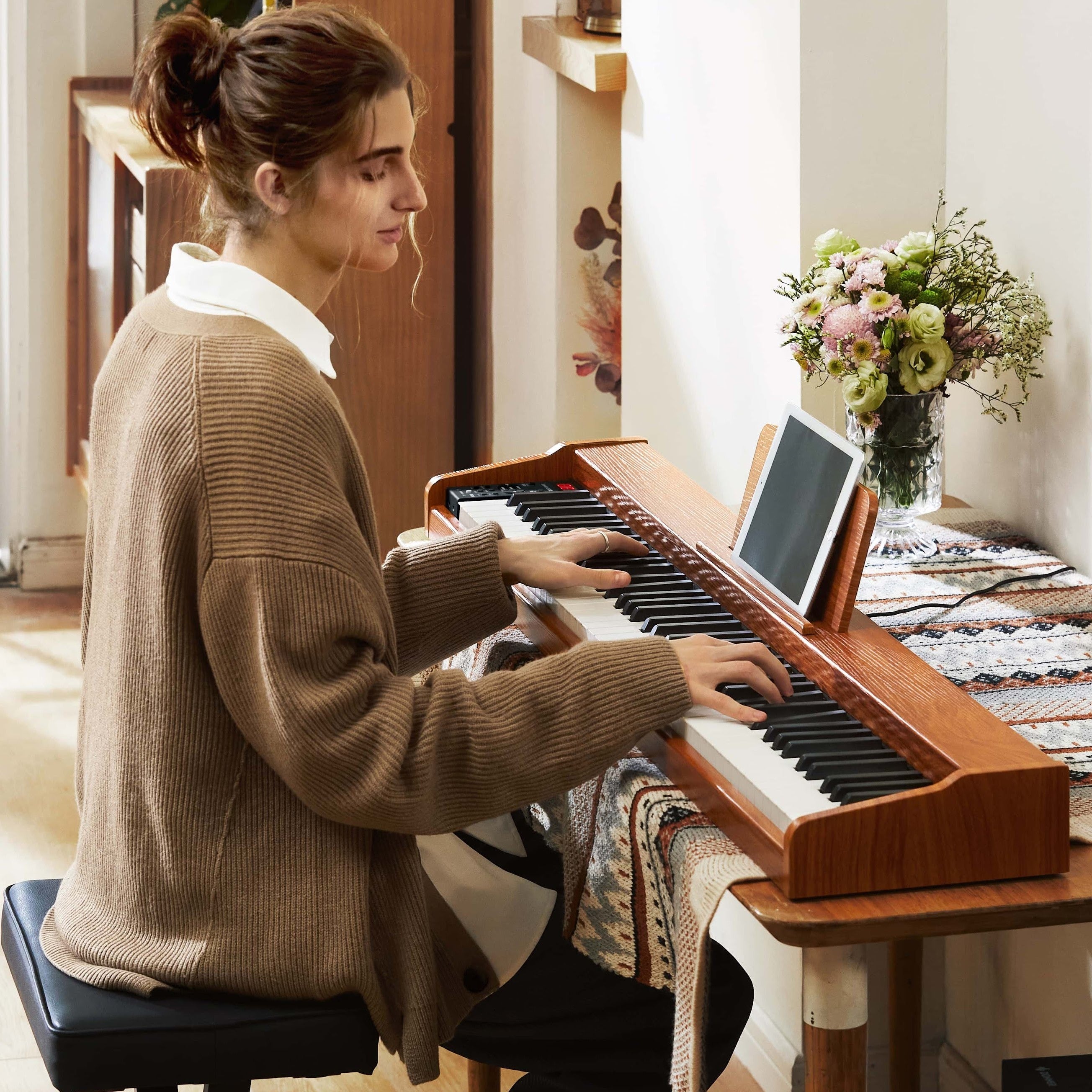
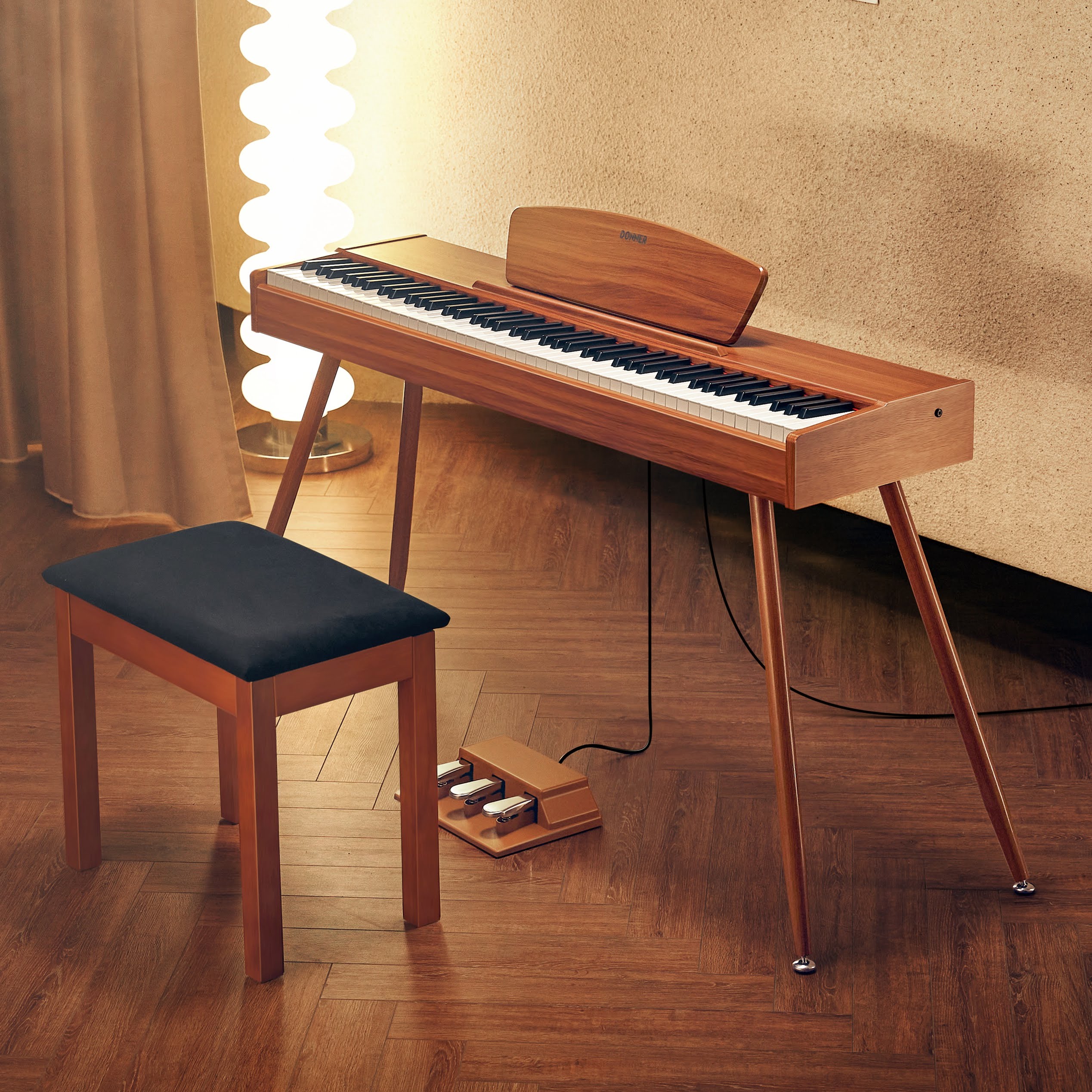
Choose this if: you want to turn short chord stabs into a complete home-pop sketch, then send the idea to a phone, computer, or another MIDI-ready device.
- 88 semi-weighted, velocity-sensitive keys give chord attacks room to change with your touch.
- Bluetooth audio/MIDI supports playing along and using MIDI in a simple writing setup.

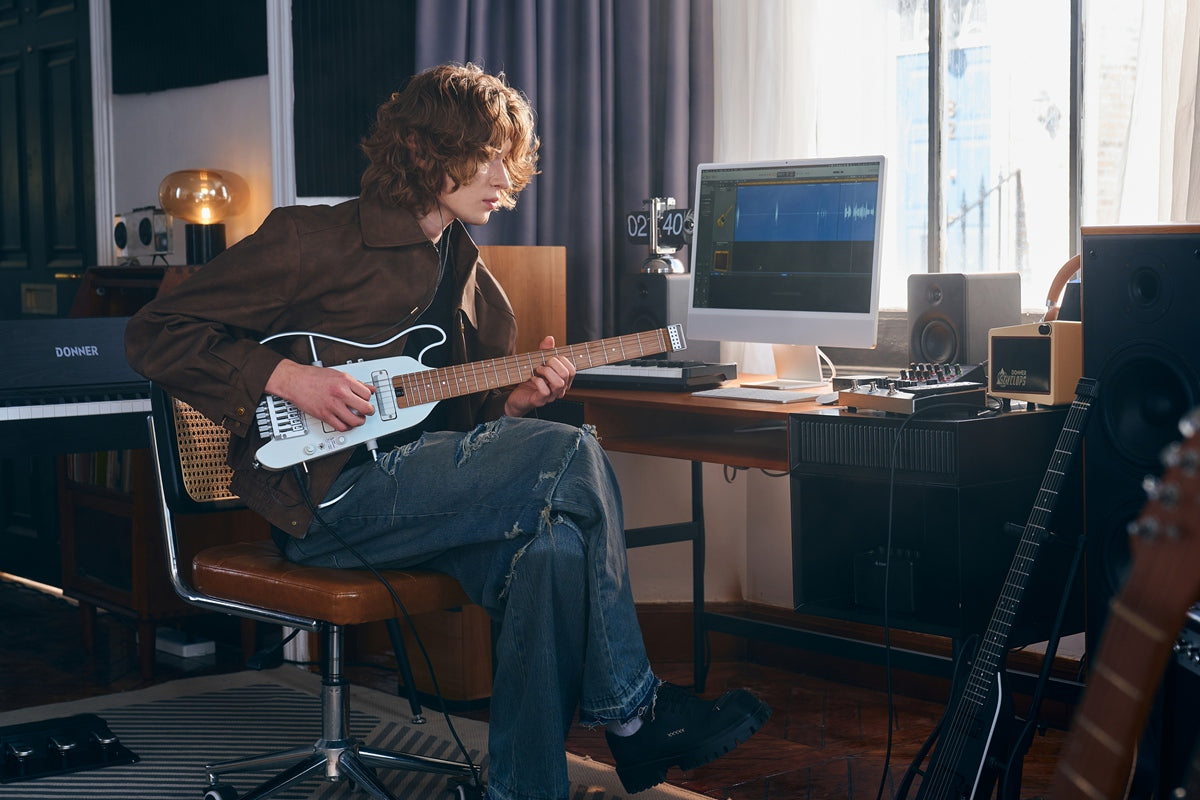
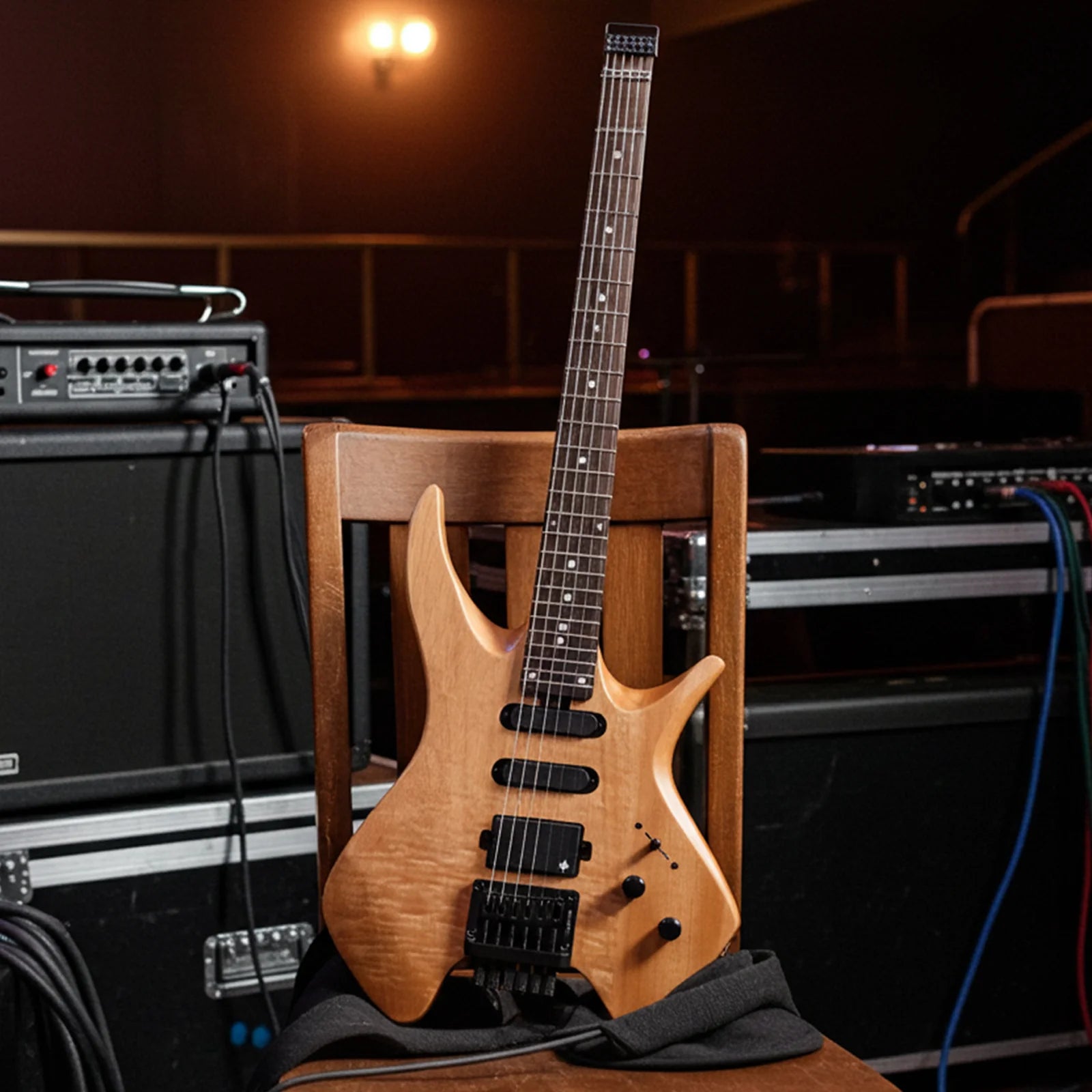
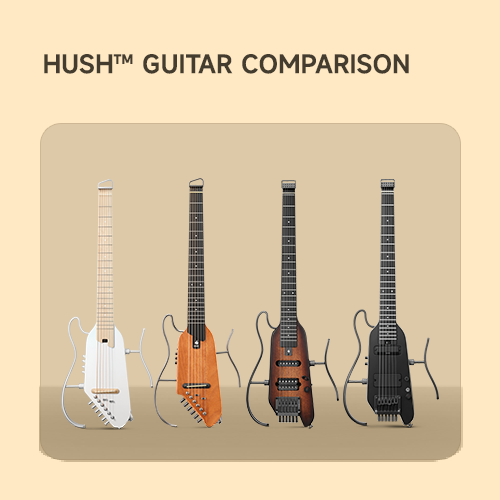
Donner HLX-500 electric guitar
Choose this if: you hear the pop idea as a tight clean rhythm part that needs to stay out of the keyboard's way.
- An SSH pickup configuration gives you distinct pickup positions for shaping a concise rhythm texture.
- The headless design keeps the instrument compact when the idea follows you from room to room.

K-pop and dance-pop build hooks with electronic layers
BTS's opening brought the concentrated energy that makes K-pop and dance-pop so rewarding to pick apart. The surface can sound glossy and fast, but the underlying idea is disciplined: each layer gets a narrow role. One sound carries the bass movement. Another supplies a lead that returns at exactly the right moment. A guitar texture may flash in for one transition and then step back. Because the arrangement is so organized, a small change in rhythm or tone can feel like a major event.
At home, resist the urge to begin with eight tracks. Start with a pulse and one sound you can identify immediately. A MIDI keyboard can carry a single bass note pattern or a lead line with a clear contour. Use fewer notes than you think you need. A rhythm with two repeated notes and one unexpected answer often has more character than a run that never pauses.
Next, create the hook's frame. Tap a kick, clap, or percussion idea into your music software, then listen for the place where the pattern wants a gap. That gap can be more memorable than an added hit. Dance-pop thrives on anticipation: the listener senses a return before it arrives. When you leave a beat empty, the next snare, chord, or vocal-sized phrase has somewhere to land.
Guitar can provide the final edge. A travel guitar is useful here when the part is deliberately small: a bright octave, a muted downbeat, or a gently driven accent at the end of a chorus-sized loop. Keep it to one color per pass. If the guitar, synth, and beat all try to be the hook, none of them will be.
Try a simple arrangement test: mute every layer except the beat and the lead. If the identity disappears, refine the lead. Then mute the lead and bring back the bass or chord pulse. If the momentum disappears, simplify the rhythm. This is how a polished style becomes a practical writing exercise rather than a wall of sounds.
Three compact tools for a layered hook
Donner Essential L1 synthesizer
Choose this if: you want one original bass phrase or lead phrase to have a defined electronic voice instead of stacking several competing sounds.
- The monophonic analog sound engine keeps the focus on one bass or lead line at a time.
- A 64-step sequencer lets you repeat, revise, and audition a phrase until its rhythm settles in.

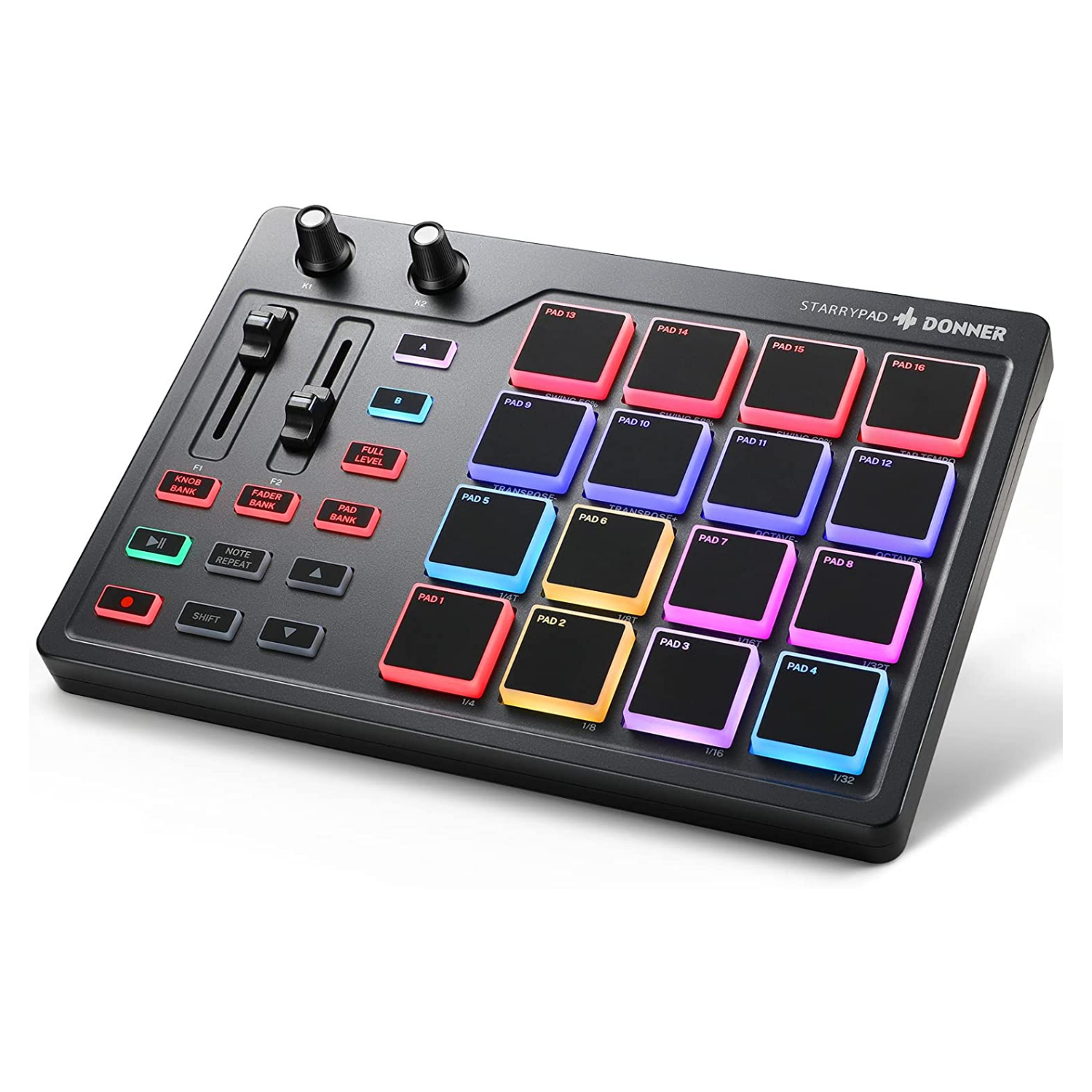
Donner STARRYPAD MIDI controller
Choose this if: you prefer tapping an original drum or percussion layer into a DAW instead of programming every note with a mouse.
- 16 velocity-sensitive pads let harder and softer hits shape the movement of a programmed rhythm.
- Tap Tempo helps capture the speed of an idea quickly; it requires a DAW and has no standalone sound.
Choose this if: the track needs a focused guitar accent after the beat and synth parts already have their jobs.
- An HS pickup configuration supports contrasting clean and driven accent colors.
- A 3.5 mm headphone output makes it easier to work through a short part privately.

Latin pop and Afrobeats put drums at the center
Shakira and Burna Boy's "Dai Dai" points to a different kind of momentum. Here the rhythm is not merely supporting the song; it is the conversation that holds everything together. A steady dance pulse keeps the body moving, while syncopated accents add lift, tension, and release. The feeling comes from the relationship between the hits, not from hitting as many things as possible.
Start by choosing one stable anchor. It may be a regular kick pattern, a repeating hand-percussion idea, or a firm backbeat. Add a second part only after the first one feels comfortable enough to play without thinking. Then place an accent just before or after a familiar beat. That tiny offset is where the groove begins to lean forward.
You do not need to recreate a performance to learn from its energy. Build a four-bar rhythm with your own drum sounds and your own sequence of accents. Play it at a tempo where you can hear the spaces between the notes. If you can clap the pattern away from the kit and still feel the push, the groove has a strong center.
Three drum routes for finding the pulse
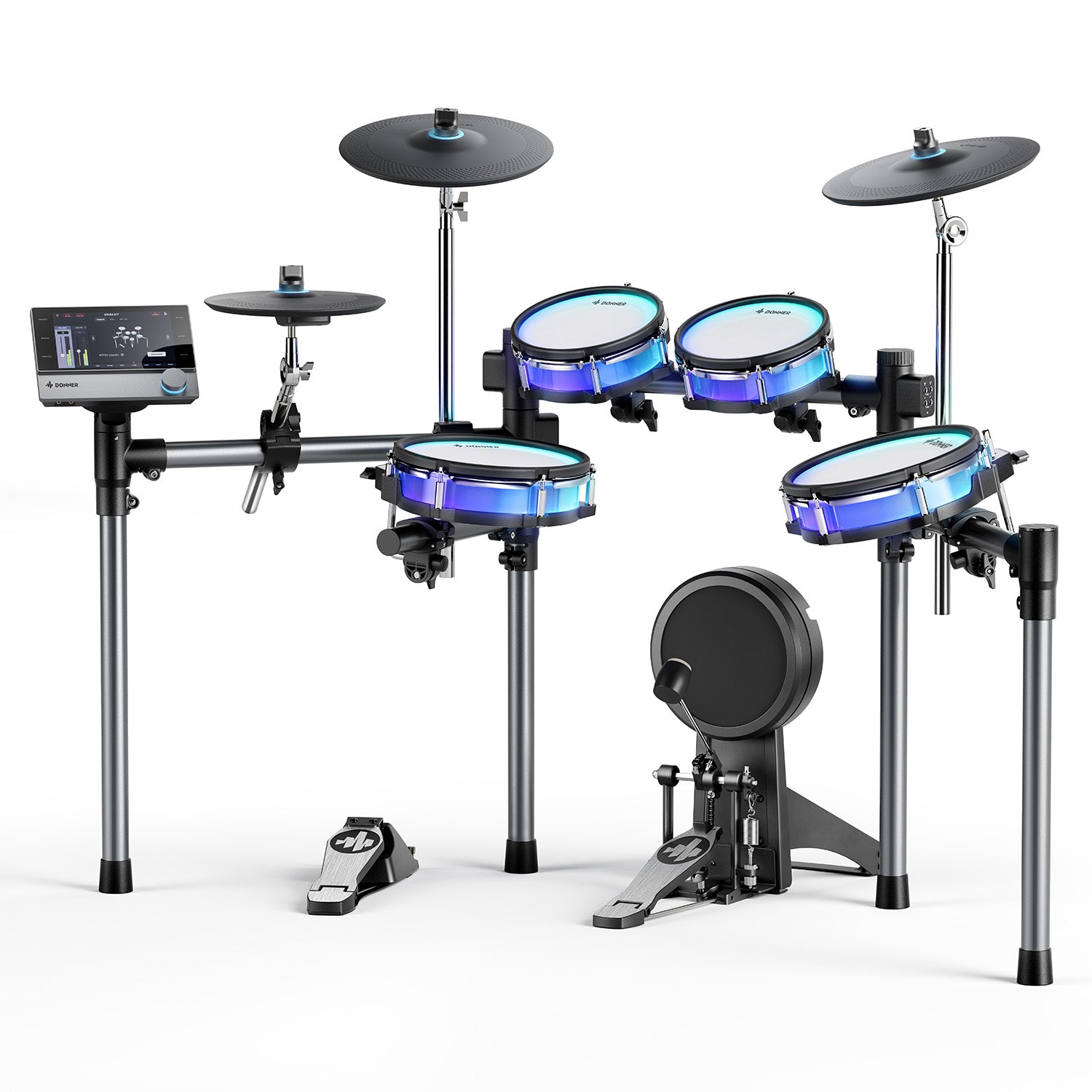
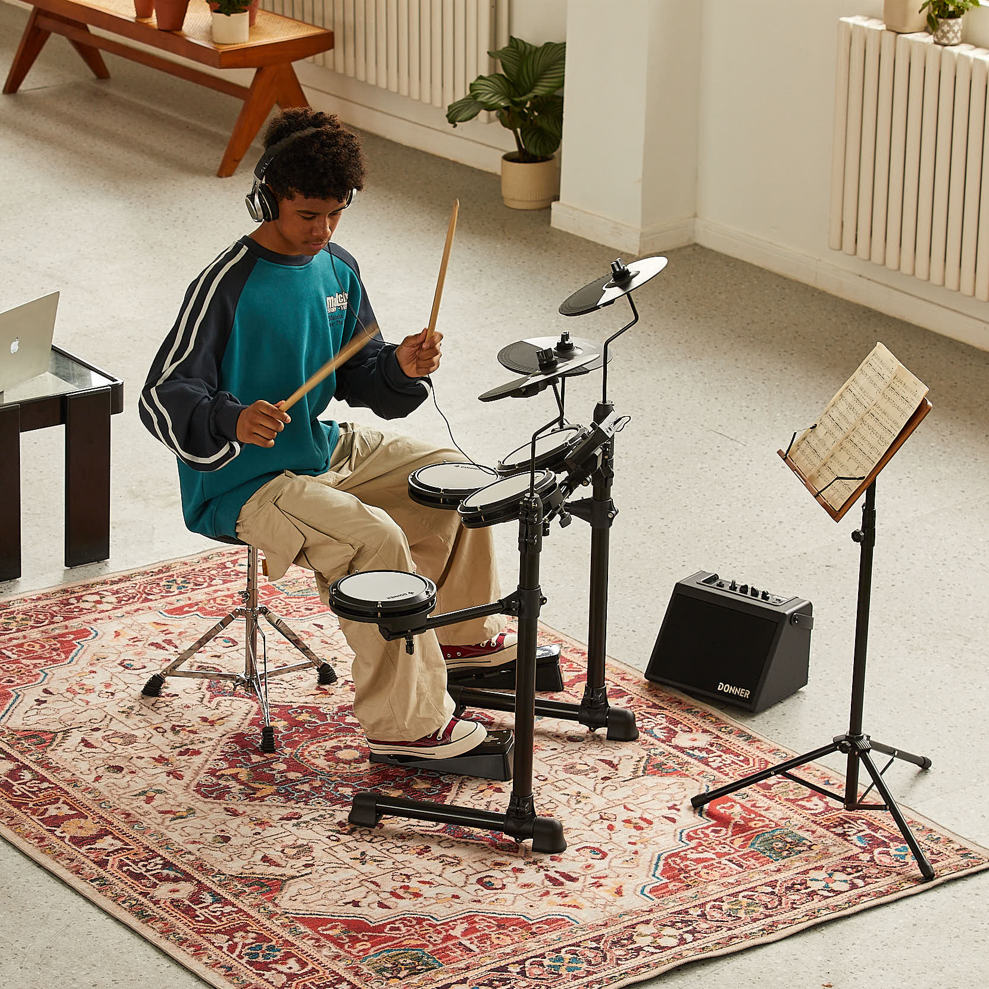
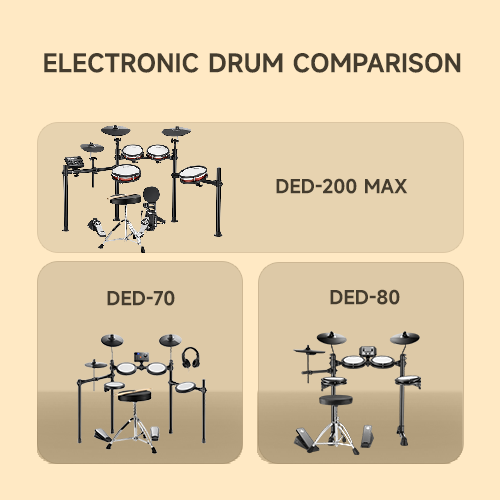
Donner DED-80 electronic drum set
Choose this if: you want to learn a steady original groove slowly, then increase the tempo only when the pattern stays relaxed.
- Double-layer mesh pads give repeated practice strokes a responsive playing surface.
- The metronome and coach mode keep the focus on timing before adding extra fills.

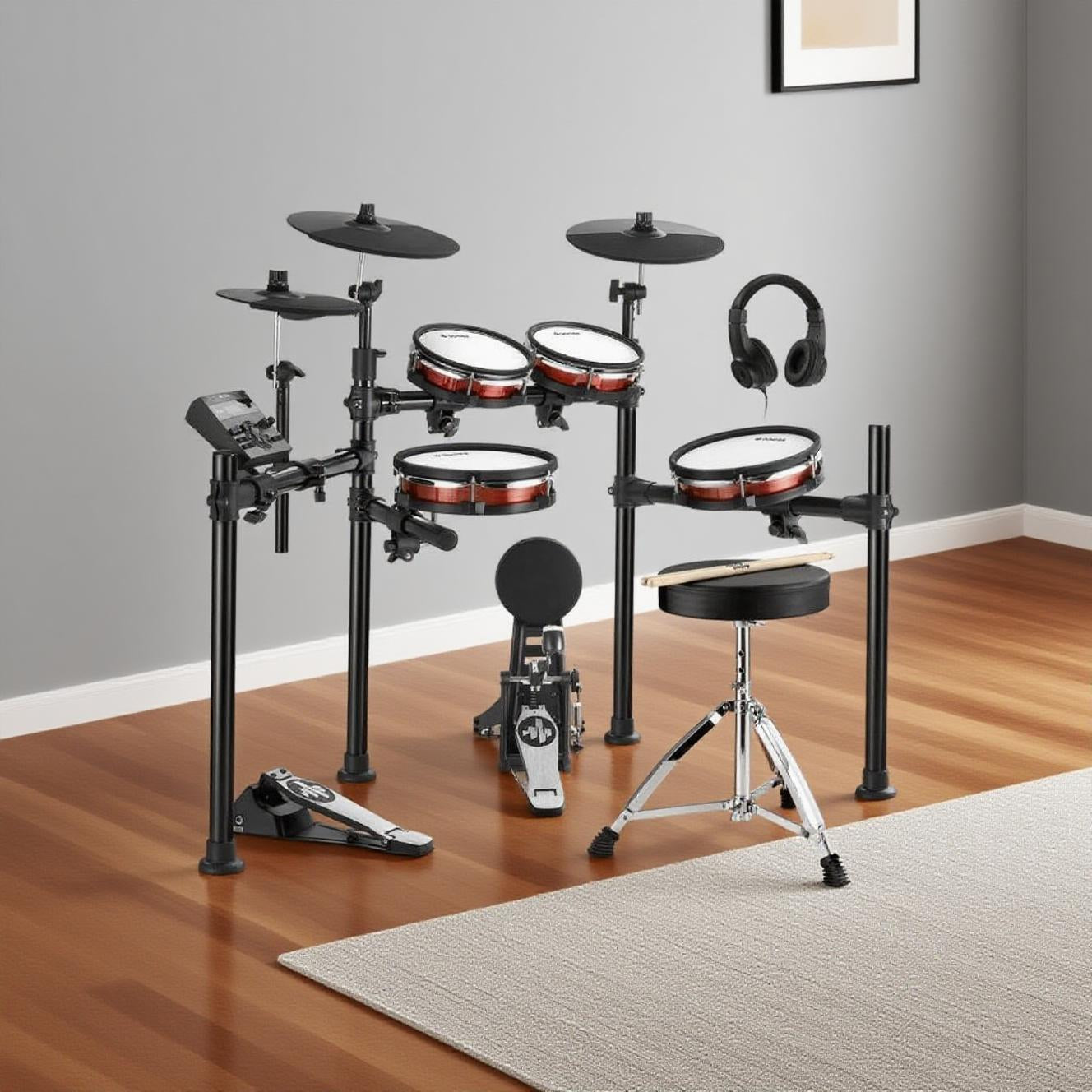
Donner DED-200 MAX electronic drum set
Choose this if: you want a larger playing surface while you separate the main pulse from short syncopated answers.
- A 10-inch mesh snare gives the central backbeat a clear physical home in the pattern.
- 450 sounds offer different starting colors while the rhythm itself remains yours.

Donner Beat Go electronic drum set
Choose this if: you want to test a rhythm idea at a table, revise its accents, and carry the seed of the groove into a longer session later.
- The tabletop form factor keeps a compact rhythm-writing setup within reach.
- 180 voices provide alternate drum colors for trying the same pattern with a new character.

Use a style cue rather than copying a song
Choose one cue: pop's bright chord attack, dance-pop's compact electronic hook, or the drum-led push of Latin pop and Afrobeats. Set a tempo, make four bars, and give yourself one rule. Perhaps the melody may use only five notes; perhaps the drum fill may appear only once; perhaps the guitar may play only at the end of a phrase. Limits turn admiration into a decision.
Then change one element that makes the idea unmistakably yours. Write a new melody, move an accent, change the chord order, or choose a different sound. Leave lyrics, samples, broadcast audio, recognizable riffs, and cover arrangements out of the process. What remains is the part worth keeping: a musical instinct you can develop into your own track.
Choose one sound and make it yours
The halftime show offered a useful reminder that scale begins with clarity. Pop can start with keys and a guitar pulse. K-pop and dance-pop can grow from one electronic phrase, a programmed beat, and a single guitar color.
Latin pop and Afrobeats can begin with a rhythm that makes the next bar feel inevitable. Pick the route that made you want to play, give it four honest bars, and let the arrangement grow from there. Explore the instruments that fit your next idea at Donner Music.