










The best intermediate electric guitar is the one that removes the limitation you keep hitting, and the room where you practice decides which pick does that. A solidbody holds tuning and cuts through a band, a semi-hollow adds warmth and air, and a compact travel guitar keeps you playing after everyone else has gone to bed. The right upgrade solves a specific limitation: a neck that fights your fingers, hardware that drifts out of tune, or pickups that stop short of the sound in your head.
None of the ten picks below wins outright, because an intermediate player upgrading from a starter instrument is solving a specific problem. Each card names the limitation it fixes, from neck feel and pickup layout to electric guitars built for silent practice.
The Best Intermediate Electric Guitars at a Glance
Read the Best for label first, then open the card that matches the limitation you want to fix.
- Donner HUSH X PRO Electric Guitar — Best effects and modeling
- Yamaha Revstar Standard RSS20 Electric Guitar — Best versatile upgrade
- Squier Classic Vibe '60s Stratocaster Electric Guitar — Best classic mod platform
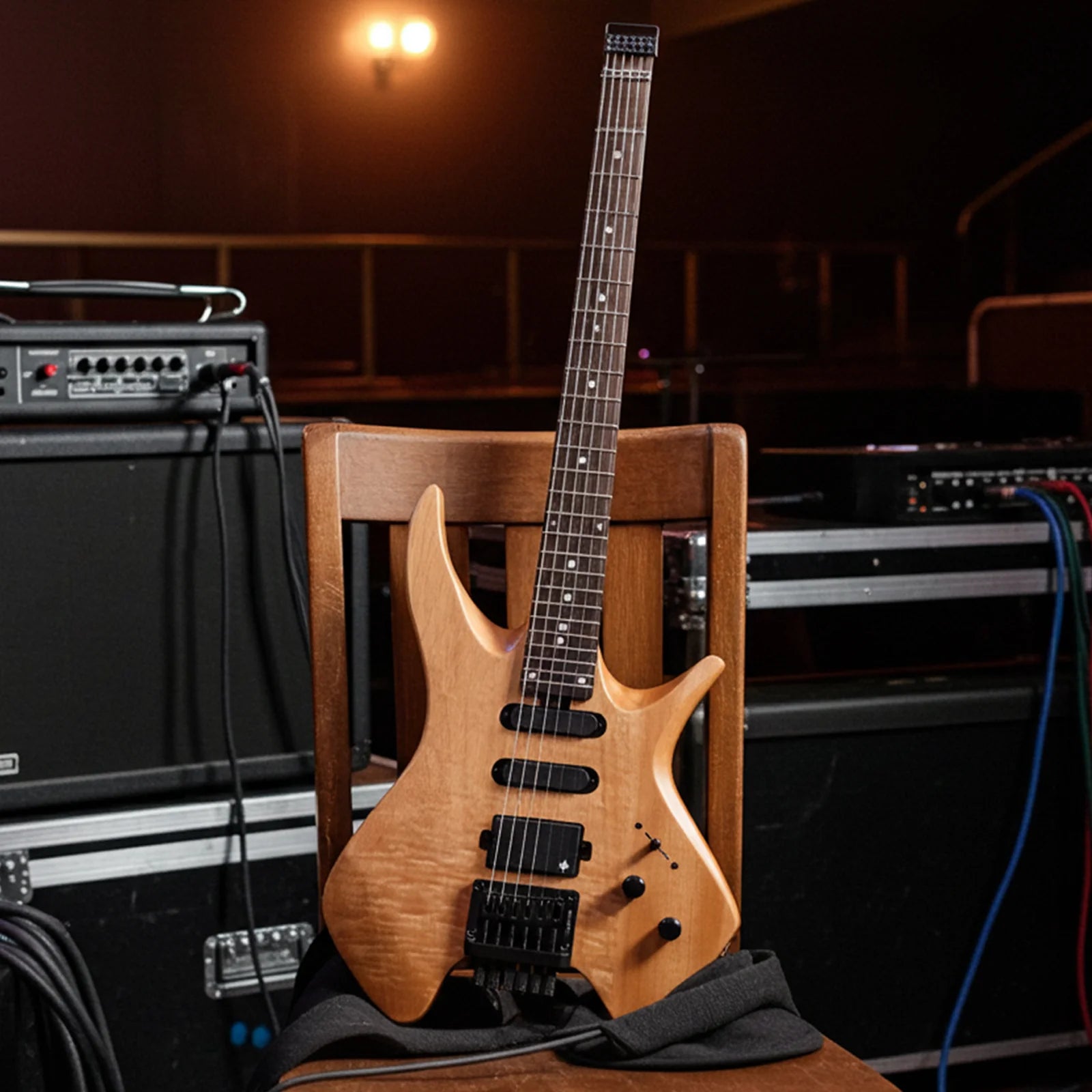
- Donner HLX-500 Headless Electric Guitar — Best compact headless solidbody
- Epiphone Les Paul Standard 60s Electric Guitar — Best classic rock upgrade
- Ibanez RG421 Electric Guitar — Best fast-neck hard rock pick
- Donner HUSH I EVO2 Travel Guitar — Best silent practice upgrade
- Fender Player II Telecaster Electric Guitar — Best stage-ready Telecaster
- Gretsch G2622 Streamliner Center Block Electric Guitar — Best semi-hollow upgrade
- Jackson JS Series Dinky Arch Top JS32 DKAM Electric Guitar — Best locking tremolo pick
Donner HUSH X PRO Electric Guitar Best effects and modeling

Pros
- DXP effects, amp modeling, and IR import onboard
- Headphone, Bluetooth, and USB-C for quiet work
- Travel gig bag and accessories included
Cons
- Compact travel format, not a full-size electric
The Donner HUSH X PRO Electric Guitar solves the problem of a second setup that cannot make noise. It is a compact headless solidbody that runs effects, amp modeling, and IR import inside the instrument, so an advancing player can keep building tone in an apartment or a hotel room without an amplifier or a pedalboard.
The mahogany body uses neck-through construction with a slim C-shaped neck, and 22 stainless-steel frets sit on a 25.5-inch scale over a roasted maple and HPL fingerboard. Custom Alnico V pickups pair a bridge humbucker with a neck single-coil on a 3-way toggle. The DXP system handles modeling through an OLED Super Knob, while Bluetooth audio, USB-C/OTG, and a headphone output cover play-along, recording, and quiet practice. A deluxe travel gig bag, earphones, strap, picks, USB cable, and 1/4-inch cable come included. Because it is a travel guitar rather than a full-size electric, expect a modeled voice instead of the resonance of a full solid body.
Yamaha Revstar Standard RSS20 Electric Guitar Best versatile upgrade
Pros
- Chambered body reduces weight
- Two Alnico V humbuckers with 5-way switching
- Passive Focus Switch adds a second voice
Cons
- Chambered body alters resonance versus a solid slab
The Yamaha Revstar Standard RSS20 Electric Guitar answers the most common upgrade complaint: a heavier guitar that wears you down during long sessions. Its chambered maple and mahogany body cuts weight while keeping the response of a humbucker solidbody.
A carbon-reinforced three-piece mahogany neck adds stability, which matters once you practice more often. Two custom Alnico V humbucking pickups feed a 5-position selector, and a passive Focus Switch on the push/pull tone control shifts the voice without active electronics. That combination makes the Revstar Standard a genuine all-rounder for a player who moves between rock, blues, and clean work. The chambered construction changes body resonance slightly compared with a solid slab, and the switching takes a little time to learn before it becomes second nature.
Squier Classic Vibe '60s Stratocaster Electric Guitar Best classic mod platform
Pros
- Classic Strat platform with mod-friendly hardware
- Three alnico single-coils with 5-way switching
- Bone nut and 9.5-inch radius for easy play
Cons
- Vintage-style tuners prefer gentle tremolo use
The Squier Classic Vibe '60s Stratocaster Electric Guitar is the upgrade for a player who wants a familiar instrument with room to change it later. A nyatoh body with a gloss polyurethane finish carries a bolt-on maple neck in a slim C profile, a shape most advancing hands already know.
An Indian laurel fingerboard with a 9.5-inch radius holds 21 narrow tall frets on a 25.5-inch scale, and a 1.650-inch bone nut sets the string spacing. Three Fender-Designed alnico single-coil pickups run through 5-position blade switching for the glassy in-between sounds a Strat is known for. A 6-saddle vintage-style synchronized tremolo and vintage-style tuning machines complete the platform, which is why this model appeals to players who plan to swap pickups or hardware as their taste develops. Vintage-style tuners hold pitch well but ask for a lighter touch on the tremolo than modern locking designs.
Donner HLX-500 Headless Electric Guitar Best compact headless solidbody

Pros
- Locking headless bridge tuners hold tuning
- Zero-fret design for consistent action
- SSH pickups with a simple control layout
Cons
- Headless balance feels different at first
The Donner HLX-500 Headless Electric Guitar gives an intermediate player a modern solidbody that travels and stays in tune. The headless design removes the headstock, which shortens the instrument, shifts the balance, and puts tuning at the bridge with locking Donner Hush Headless tuners.
A solid poplar body carries a 4-point bolt-on maple neck and a 12-inch rosewood fretboard. The 25.5-inch scale holds 24 nickel-silver frets with a zero-fret design that keeps string height and intonation consistent along the neck. An SSH pickup configuration runs through a 3-position switch with one volume and one tone control, so the layout stays simple while covering both humbucker and single-coil ground. A custom gig bag, strap, and pick come with the guitar. The compact headless balance feels different from a traditional guitar at first, and the poplar body voices neutral rather than characterful.
Epiphone Les Paul Standard 60s Electric Guitar Best classic rock upgrade
Pros
- AA flame maple top over mahogany
- ProBucker humbuckers with CTS controls
- LockTone ABR Tune-o-matic bridge
Cons
- Heavier body and limited upper-fret access
The Epiphone Les Paul Standard 60s Electric Guitar is the direct route to classic rock tone for a player who already knows the music they want. A mahogany body with an AA flame maple top delivers the weight and sustain the shape is known for.
The mahogany neck joins a laurel fingerboard with 22 frets on a 24.75-inch scale, and a Graph Tech nut keeps the strings moving cleanly through bends. ProBucker 3 bridge and ProBucker 2 neck humbuckers use separate volume and tone controls built on CTS potentiometers with a 3-way toggle, giving you the four-knob layout that rewards players who ride their volume while playing. A LockTone ABR Tune-o-matic bridge anchors the strings for stable tuning and solid coupling. The trade-off is weight and reach: a Les Paul sits heavier on the shoulder and asks more of your fretting hand at the upper frets than a slim double-cutaway.
Ibanez RG421 Electric Guitar Best fast-neck hard rock pick
Pros
- Wizard III neck profile built for speed
- 24 jumbo frets on a flat 400 mm radius
- F106 fixed bridge holds tuning
Cons
- Thin neck and ceramic pickups suit high-gain more
The Ibanez RG421 Electric Guitar is built for an intermediate player chasing speed. A meranti body carries a Wizard III maple neck, a thin profile that shortens the distance your hand travels across the fretboard.
A jatoba fingerboard holds 24 jumbo frets on a 25.5-inch scale with a 400 mm radius and a 43 mm nut width, a flatter setup that supports wide bends and fast position shifts. Two passive ceramic Quantum humbucking pickups run through a 5-way selector, covering rhythm and lead tones for rock and metal. An F106 fixed bridge with independent string-height adjustment keeps tuning stable without a tremolo to maintain. The flat radius and ceramic pickups favor high-gain playing more than clean nuance, and the thin neck is a deliberate choice rather than a universal improvement.
Donner HUSH I EVO2 Travel Guitar Best silent practice upgrade

Pros
- Removable frames collapse for travel and storage
- Piezo with HPS-II preamp and headphone output
- Gig bag, strap, and T-wrench included
Cons
- Limited acoustic projection by design
The Donner HUSH I EVO2 Travel Guitar suits an intermediate player who needs a second instrument for silent practice, travel, and songwriting. It is a headless acoustic-electric travel guitar with removable body frames, and the frames come off on a thumb screw so the guitar packs away without tools.
The custom undersaddle piezo runs through a built-in HPS-II preamp, and a 3.5 mm headphone output turns the guitar into a silent practice instrument at any hour. A built-in chromatic tuner with a low-battery alert keeps tuning on board, a 5-piece maple and mahogany neck with an HPL fretboard and 3-layer binding keeps the playing surface familiar, and a gig bag, strap, and magnetic T-wrench ship with it. The compromise is acoustic output: the travel body stays quiet by design and will not replace an acoustic guitar for a group session.
Fender Player II Telecaster Electric Guitar Best stage-ready Telecaster
Pros
- Modern C neck with rolled fingerboard edges
- Alnico V single-coils with classic Tele bite
- 6-saddle string-through bridge with block steel saddles
Cons
- Single-coils hum under heavy gain
The Fender Player II Telecaster Electric Guitar is the straightforward choice for a player who wants to walk on stage and plug in. A Modern C neck profile with a satin urethane back sits behind a 9.5-inch-radius maple or slab rosewood fingerboard with rolled edges.
The body comes in alder, chambered ash, or chambered mahogany, so weight varies by finish choice. Player Series Alnico V single-coil Tele pickups with a 3-way blade switch deliver the familiar bridge bite and neck warmth. A 6-saddle string-through-body Tele bridge with block steel saddles and ClassicGear tuners keeps intonation and pitch stable, and 22 medium jumbo frets support bends without crowding the board. Standard single-coils still hum under heavy gain, and the two-pickup layout limits how far the sound stretches beyond Telecaster territory.
Gretsch G2622 Streamliner Center Block Electric Guitar Best semi-hollow upgrade
Pros
- Center block controls semi-hollow feedback
- Broad'Tron humbuckers with coil-split option
- Individual and master volume and tone controls
Cons
- Larger arched body adds weight and bulk
The Gretsch G2622 Streamliner Center Block Electric Guitar brings semi-hollow character to an intermediate player who wants warmth without losing control at volume. A double-cutaway 16-inch arched laminated maple body carries a chambered center block, a design that tames the feedback a fully hollow body would produce.
A Soft C-shaped nato neck runs 24.75 inches to a 12-inch-radius laurel fingerboard with 22 medium jumbo frets and a bone nut. Two Broad'Tron BT-3S humbucking pickups feed a 3-way toggle with individual pickup volumes plus master volume and tone, and a push/pull coil split on the master volume adds a single-coil-flavored option. An Adjusto-Matic bridge and a Gretsch V-Stop tailpiece anchor the strings. Expect more body and weight than a solidbody, and understand that the center block reduces feedback rather than removing it.
Jackson JS Series Dinky Arch Top JS32 DKAM Electric Guitar Best locking tremolo pick
Pros
- Compound-radius fingerboard for fast playing
- High-output humbuckers for rock and metal
- Double-locking tremolo holds tuning under use
Cons
- Locking tremolo makes restringing slower
The Jackson JS Series Dinky Arch Top JS32 DKAM Electric Guitar is aimed at an intermediate player who wants a locking tremolo and a fast, aggressive feel. A poplar Dinky arch-top body in a gloss finish pairs with a bolt-on maple neck that uses graphite reinforcement and a scarf joint under a satin finish.
A compound-radius maple fingerboard moves from 12 to 16 inches across 24 jumbo frets on a 25.5-inch scale, flattening as you move up the neck for bends and fast runs, with a 1.6875-inch nut width. Two Jackson high-output humbucking pickups run through a 3-position blade switch with volume and tone controls. A Floyd Rose licensed Jackson double-locking tremolo holds tuning through dive bombs, and sealed die-cast tuners back it up. The trade-off is setup attention: a floating double-locking bridge makes restringing and tuning changes slower than a fixed bridge.
How We Choose Intermediate Electric Guitars
An upgrade is not a repeat of a beginner purchase. The checks that matter now concern the limitations you have already met: whether the neck and frets support the way you bend and move, whether the pickups reach the sounds you actually use, whether the hardware stays in tune, and whether the body suits where you play.
Neck and Fretwork
Neck profile, fret size, fingerboard radius, and scale length decide how much effort each bend and position shift costs. A thin profile such as the Ibanez Wizard III reduces the distance your hand travels, and a flatter 400 mm radius supports wide bends. Rounder profiles and shorter 24.75-inch scales, as on the Epiphone Les Paul Standard 60s, keep chord work relaxed. Jumbo frets wear more slowly under heavy bending and let you grip the string with less pressure. Play the neck before you commit: a profile that feels fast in a shop for five minutes may fatigue your hand after an hour.
Pickups and Switching
Humbuckers cancel hum and push a thicker, higher-output signal, which is why rock and metal players default to them. Single-coils stay bright and articulate, and they hum under heavy gain, which is the price of that clarity. Split-coil and coil-split options land between the two: the Gretsch G2622 Streamliner uses a push/pull master volume, while the Yamaha Revstar Standard adds a passive Focus Switch rather than a coil tap. Match the pickup to the music you play most, then decide whether switching flexibility is worth the extra controls.
Bridge and Hardware
Bridge type sets your maintenance routine. A fixed bridge, as on the Ibanez RG421, changes strings quickly and holds tuning with minimal attention. A synchronized tremolo stays closer to vintage feel and is easier to set up than a floating system. A double-locking tremolo such as the Floyd Rose licensed bridge on the Jackson JS32 holds pitch through aggressive use but makes restringing slower. Tuner quality matters just as much: the ClassicGear tuners on the Fender Player II Telecaster and the sealed die-cast tuners elsewhere keep pitch stable between sessions.
Body Type and Practice Situation
Solidbody guitars give you stable tuning, sustain, and predictable feedback behavior on stage. Semi-hollow designs add warmth and air, and a center block keeps that character usable at volume, as on the Gretsch G2622 Streamliner. Compact travel designs trade acoustic resonance for portability and quiet practice, which is where the Donner HUSH X PRO and HUSH I EVO2 fit. Choose the body type by where the guitar will live and how loudly you can play there.
FAQ About Intermediate Electric Guitars
What is the best intermediate electric guitar?
Pick by the sound and format you already reach for. Classic single-coil players get a familiar platform in the Fender Player II Telecaster or the Squier Classic Vibe '60s Stratocaster, humbucker players get Alnico V pickups in the Yamaha Revstar Standard RSS20 or ProBuckers in the Epiphone Les Paul Standard 60s, semi-hollow players get the Gretsch G2622 Streamliner, and fast-neck players get the Ibanez RG421. If quiet practice is the limitation, the compact Donner HUSH X PRO fits that role.
What is a good mid-tier electric guitar?
A good mid-tier guitar combines a comfortable neck, stable hardware, useful pickups, and a body that suits your practice space. Every dimension should serve the playing you do now rather than a specification you might grow into. The ten picks above meet that bar in different ways, so choose the one whose strength matches your limitation.
What should an intermediate guitarist look for in a guitar?
Look for the practical signs that your playing has outgrown the old instrument: bends that land without fighting the neck, tuning that holds through a session, fretwork that does not catch your hand, and pickups that broaden the sounds you use. If a guitar fixes two or three of those, it is a real upgrade rather than a sideways move.
Should I upgrade pickups or buy a new guitar?
Keep the guitar and change the pickups when the neck, frets, and hardware already feel right, because pickups are the easiest part of the sound to replace. Replace the guitar instead when the neck profile, fret condition, or bridge is the limitation, since those are structural. A mod-friendly platform such as the Squier Classic Vibe '60s Stratocaster makes the first path easy.
Are semi-hollow guitars good for intermediate players?
Yes, when you want warm humbucking tone and a distinctive feel. A center block keeps feedback manageable at volume, which is why the Gretsch G2622 Streamliner stays usable in a band setting. Understand that the added body brings more weight than a solidbody and that the center block reduces feedback rather than removing it.
Find Your Next Electric Guitar at Donner
Name the limitation you want to solve first, whether that is a neck that slows your bends, hardware that drifts out of tune, or a practice space that asks for headphones. Donner builds silent-practice and headless designs for exactly those situations, and the electric guitars range covers the rest.