









Introduction: Acoustic vs Electric Guitar
The acoustic vs electric guitar choice is tougher than it looks when you have not played either one yet. An acoustic guitar makes music on its own, straight from the body — no cables, no power. An electric guitar needs an amplifier to unlock its range of tones, and that changes everything about how it sounds and how you practice. This guide compares the five dimensions that matter most to a first-time player: sound and tone, playability, cost and required gear, portability and quiet practice, and genres — then shows three electric-side options from Donner and closes with a clear way to decide.
Start with the acoustic electric guitar or electric guitar collection to see what is out there, then read on to match each comparison point to the way you actually play.
Quick Comparison: Acoustic vs Electric Guitar
| Dimension | Acoustic Guitar | Electric Guitar |
|---|---|---|
| Sound and tone | Natural, self-contained sound | Amp- and effects-driven tonal range |
| Playability and learning curve | Thicker strings, higher action; builds finger strength | Thinner strings, lower action; usually lighter on the fingers |
| Cost and required gear | Self-contained; the guitar is all you need | Adds an amplifier, cable, and often pedals |
| Portability and quiet practice | Grab-and-go, no power needed | Headphone practice; amp and cables for full sound |
| Genres and styles | Folk, country, bluegrass, singer-songwriter | Rock, metal, blues, jazz, effects-heavy pop |
Table of Contents
- Sound and Tone: How Each Guitar Produces Its Voice
- Playability and Learning Curve
- Cost and Required Gear
- Portability and Quiet Practice
- Genres and Musical Styles
- Donner Electric Guitars for the Electric Side
- How to Choose Between Acoustic and Electric Guitar
- Frequently Asked Questions About Acoustic and Electric Guitars
- Related Posts
Sound and Tone: How Each Guitar Produces Its Voice
Sound is where acoustic and electric guitars differ most, and it shapes every other part of the decision. An acoustic guitar projects through its hollow body and sound hole — no electronics, no amplifier — so the tone you hear is the guitar itself. An electric guitar uses magnetic pickups to convert string vibration into an electrical signal played through an amplifier, which is why its character only fully appears when it is plugged in.
For natural, unplugged tone, the acoustic wins; for tonal versatility, the electric wins. Amp settings, pedals, and modeling can reshape an electric voice in ways an acoustic cannot, because acoustic tone is mostly set by the body wood and construction. Players who want an acoustic voice with plug-in flexibility can find it in an acoustic-electric middle ground, including compact travel guitar options designed around that idea.
Playability and Learning Curve
For most beginners, the electric guitar feels a little easier on the fingers at first. Its strings are typically thinner and sit closer to the fretboard, so fretting notes usually takes less finger strength, and thinner necks with closer string spacing make chord shapes easier to reach. Acoustic strings are thicker with higher action, which demands more finger strength — and in return builds calluses and hand strength faster.
Neither instrument is universally easier, and both require consistent practice; the easier feel depends on your hands and goals. Many players learn on an acoustic first and find an electric feels even easier later, while players who start electric often notice an acoustic is heavier under the fingers. If you are lining up your first setup, an electric guitar kit that bundles the essentials keeps the start simple.
Cost and Required Gear
The acoustic guitar wins on total cost to start, because it is self-contained: the guitar is all you need to play. An electric guitar requires an amplifier, a cable, and often pedals or effects to produce its signature sound, so entry acoustic setups are usually cheaper upfront while electric setups add amplifier and accessory costs.
That said, the electric guitar wins when you already want the amp-and-effects world, because those extras are exactly what make its tone flexible. If effects interest you, guitar pedals are where a lot of that sound lives, and a few practical guitar accessories cover the everyday needs of either instrument.
Portability and Quiet Practice
For picking up a guitar and playing anywhere — the couch, a park, a friend's place — the acoustic wins, because it needs no cables, no power, and no extra gear. The electric wins for quiet practice in shared spaces: plug into headphones and you can play at night without filling the room with amplified sound, while an unplugged acoustic is naturally audible to everyone nearby.
Headphones take the amplified sound out of the room, though you still hear some string noise from the guitar itself. The trade-off is that amplified electric play means carrying an amp, cables, and sometimes pedals; compact travel electrics reduce that bulk, which is where a portable guitar earns its place in a smaller setup.
Genres and Musical Styles
Let the music you want to play first be the tiebreaker. Acoustic guitars suit folk, country, bluegrass, singer-songwriter, and unplugged styles, where the natural body voice carries the song. Electric guitars suit rock, metal, blues, jazz, funk, and effects-heavy pop, where drive, sustain, and pedal textures do much of the work.
The overlap is large — many genres use both instruments, and plenty of players own one of each. Choose the side that matches the songs you actually want to learn first; you can add the other guitar later.
Donner Electric Guitars for the Electric Side
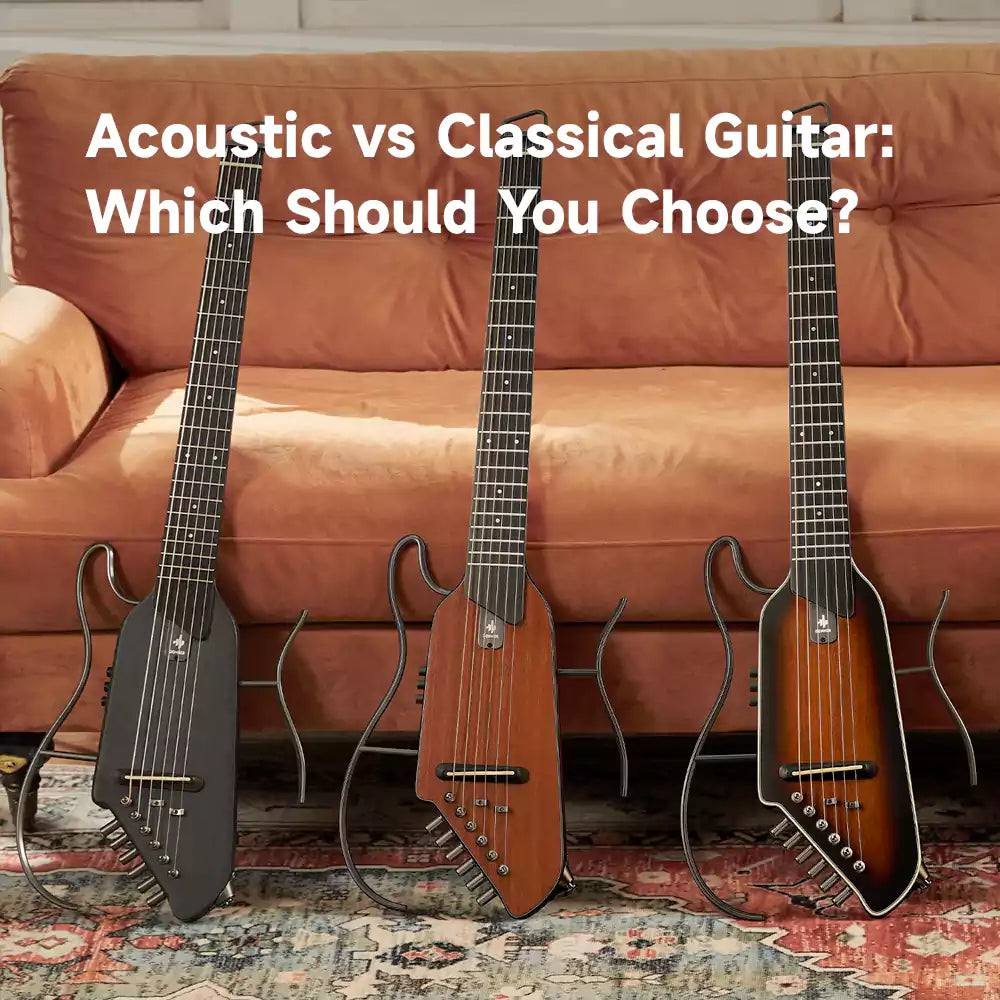
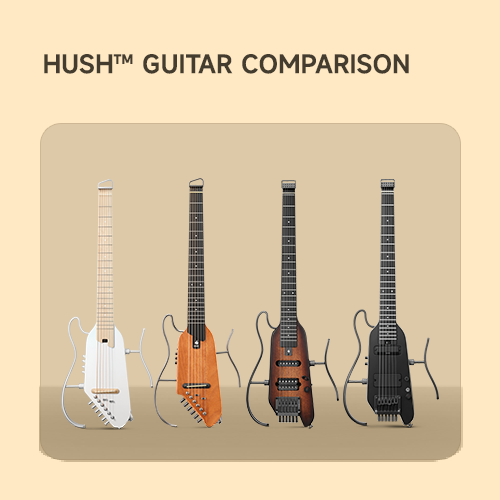
If the electric side of this comparison sounds right, Donner makes three options that cover different player scenarios rather than a single best pick. One is an all-in-one travel electric with onboard tones, effects, and headphone-friendly outputs. One is a compact full-scale headless electric that works with your own amplifier or a headphone practice route. One is an acoustic-electric travel guitar that plays unplugged like an acoustic and plugs in when you want it. Match the card below to the way you plan to practice.
Donner HUSH X PRO Electric Guitar Best all-in-one electric

Features
- The onboard DXP system packs 60+ effects, guitar-model simulation, amp modeling, and IR import into the instrument.
- Quick-release frames and a slim C-shaped mahogany neck make the headless design easy to pack and play.
- Custom Alnico V single-coil and humbucker pickups with a 3-way switch cover a wide tonal range.
- 1/8-inch, 1/4-inch, USB-C, and OTG outputs handle headphone practice and recording.
- A deluxe travel gig bag, earphones, strap, cables, and picks are included.
The Donner HUSH X PRO Electric Guitar is the all-in-one pick for players who want the electric experience packed into one compact instrument. Its DXP system brings 60+ built-in effects, guitar-model simulation, amp modeling, and IR import support into the guitar itself, so you can shape tones without a pedalboard. The headless body with quick-release frames and a slim C-shaped mahogany neck travels easily, and the 1/8-inch, 1/4-inch, USB-C, and OTG outputs cover everything from headphone practice to recording on the go.
Donner HLX-500 Headless Electric Guitar Best compact full-scale

Features
- A full-scale 25.5-inch neck with 24 frets and a zero fret fits a compact headless body.
- SSH pickups with a 3-position switch and Donner Hush locking bridge tuners cover versatile electric tones.
- Compact Pearl White or Wooden Nature bodies are easier to carry and store.
- A custom gig bag, strap, and pick are included.
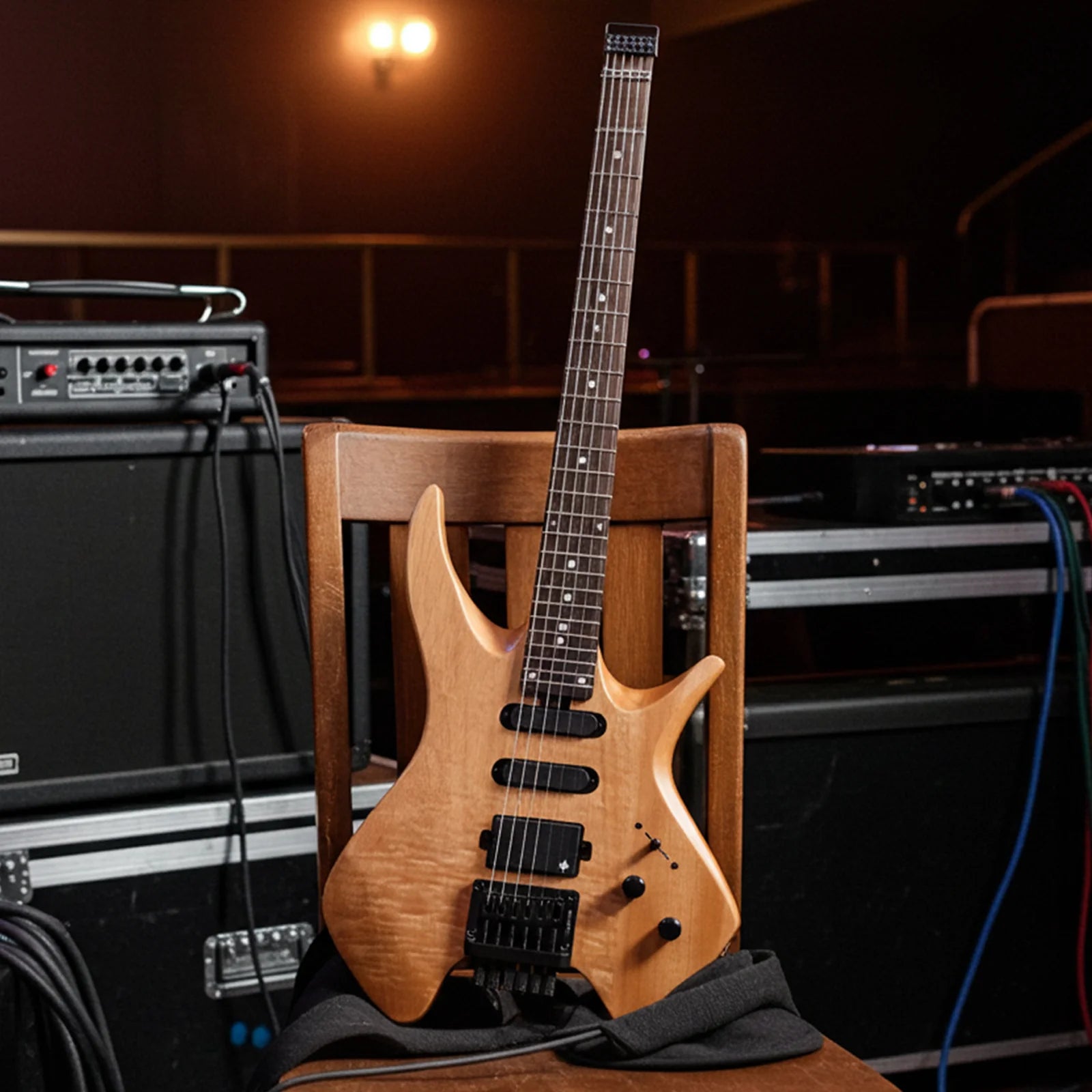
For players who want a familiar full-scale electric in a small package, the Donner HLX-500 Headless Electric Guitar keeps a 25.5-inch scale and 24 frets in a headless solid body. Its SSH pickup configuration with a 3-position switch and Donner Hush headless locking bridge tuners covers classic electric tones, and the compact Pearl White or Wooden Nature body is easier to carry and store than a traditional electric. Bring your own amplifier or a headphone practice route and it slots straight in. Note that HLX-500 is the current official name; Donner identifies NHL-500 as the former name of the same product.
Donner HUSH I EVO2 Travel Guitar Best acoustic-electric travel

Features
- Plays unplugged like an acoustic and plugs in for amplified or headphone practice.
- The HPS-II preamp with a custom undersaddle piezo pickup shapes a natural plugged-in tone.
- A 3.5 mm stereo headphone output, built-in chromatic tuner, and low-battery alert support private practice.
- Tool-free removable body frames make the travel format easy to pack.
If you cannot choose between the two sides, the Donner HUSH I EVO2 Travel Guitar is the bridge: a headless acoustic-electric that plays unplugged like an acoustic and plugs in when you need amplified or headphone practice. The HPS-II preamp with a custom undersaddle piezo pickup gives it a plugged-in acoustic voice, and the 3.5 mm stereo headphone output keeps practice private. Tool-free removable body frames and a 5-piece maple-and-mahogany neck with an HPL fretboard make it easy to pack, and a gig bag, strap, and magnetic T-wrench with onboard storage come with it.
How to Choose Between Acoustic and Electric Guitar
Choose an acoustic guitar when you want a self-contained instrument for folk, country, or singer-songwriter playing and a simple grab-and-go practice routine. Choose an electric guitar when you want lighter-feeling strings, quiet headphone practice, and rock, metal, or effects tones — and you can budget for an amplifier. There is no universal winner; the right pick is the one that matches the music you want to play first and the space you have.
If you are leaning electric, an electric guitar set bundles the starter essentials so you can focus on playing instead of assembling gear.
What About Acoustic-Electric Guitars?
An acoustic-electric guitar is the middle ground: it adds a pickup and preamp to an acoustic-style body so it can be amplified, and most models still play unplugged like a standard acoustic guitar. The trade-off is added electronics and a battery that a pure acoustic guitar does not need. It is a strong choice when you want the acoustic feel plus the flexibility to connect to an amp, PA, or headphones for performance or quiet practice.
Frequently Asked Questions About Acoustic and Electric Guitars
Which guitar is easier to learn: acoustic or electric?
Most beginners find the electric slightly easier on the fingers, because thinner strings and lower action mean fretting notes usually takes less finger strength. An acoustic builds more finger strength and calluses, which some players treat as a head start. Both instruments require consistent practice, and the easier feel depends on your hands and goals rather than a universal rule.
Can I play electric guitar if I already know acoustic?
Yes — chords, scales, and fretboard knowledge transfer directly between acoustic and electric. Expect to adapt to lighter strings, lower action, and the amplifier-and-effects signal chain. Many players switch freely between both once they are comfortable with each.
Do I need an amplifier to play an electric guitar?
An electric guitar needs an amplifier to produce its full tone, but you do not need a speaker in the room to practice. Headphone amps, audio interfaces, and amps with headphone outputs allow quiet electric practice without a speaker. An acoustic guitar, by contrast, needs no amplifier or power at all to play.
What is the difference between an acoustic-electric guitar and an electric guitar?
An acoustic-electric guitar is an acoustic-style instrument with a pickup and preamp so it can be amplified. It plays unplugged like an acoustic guitar and can also connect to an amp, PA, or headphones. An electric guitar relies on magnetic pickups and an amplifier, with no acoustic projection of its own.
Choose the Guitar That Fits Your Sound
Start with the music you want to play and the space you practice in, and the choice simplifies: acoustic when you want a self-contained natural tone, electric when you want lighter feel, quiet headphone practice, and effects-driven sounds. Whatever you pick, regular practice matters more than which instrument you start with.
Donner's mission is to make music approachable, and Donner Music builds electronic musical instruments for every stage of that journey. Whether you land on electric or acoustic-electric, keep comparing your options in the acoustic electric guitar collection, then choose the guitar that makes you want to sit down and play.