





Hadestown first became a Broadway phenomenon in 2019. Now, in 2026, its five original Broadway principals reunite for a West End live capture reaching movie theaters, bringing a stage musical built around live musicians and roots-driven storytelling to the screen.
That return raises a more interesting question than simply asking whether Hadestown is folk, blues, or jazz: what makes the show still feel so distinctive when it moves from the stage to the screen years later? To answer, we have to go back to the sound the 2019 production made so memorable, then separate the layers that make it work.
Table of Contents
- The Folk Foundation: Storytelling Before Spectacle
- What the Blues Adds: Tension, Repetition, and Resilience
- Where the New Orleans Jazz Comes In
- Hadestown Instruments: What You Are Hearing
- Folk vs. Blues vs. Jazz: A Simple Listening Map
- Why the Blend Works So Well
- If You Love the Sound, Try One Layer Yourself
- Three Donner Instruments to Explore the Sound
The Folk Foundation: Storytelling Before Spectacle
The folk clue is the sense that a song could stand on its own with a voice and a simple accompaniment. It is direct, memorable, and built to carry a story. In Hadestown, listen to Flowers or Wedding Song for that close-to-the-singer feeling: the melody and narrative stay easy to follow even when the production around them grows larger.
That connection is not accidental. Mitchell has described writing songs on acoustic guitar, often fingerpicked, and starting from a relatively spare version of the song. Folk describes the songwriting foundation here; it does not mean every arrangement stays acoustic, rural, or traditionally folk from beginning to end.
What the Blues Adds: Tension, Repetition, and Resilience
Blues brings a different kind of pressure. It can sound conversational, repeated, elastic, and intensely personal. Its history is tied to Black American musical traditions, including field hollers and work songs, and to the expressive realities of love, poverty, and racism. That history matters: blues is not simply a synonym for sad music. It also carries endurance, humor, defiance, and release.
In Hadestown, Road to Hell and Way Down Hadestown are useful places to notice early jazz and blues influence. Listen for the vocal attitude and the way repeated phrases gain force as the ensemble answers them. A song can use blues color, phrasing, and emotional logic without following one fixed form or becoming a textbook blues exercise.
Where the New Orleans Jazz Comes In
New Orleans jazz is easiest to recognize here through the band relationship: a swinging pulse, bright or growling brass, and the sense that individual players have room to speak. The sound is social. Instruments do not merely decorate a finished vocal line; they create movement, atmosphere, and personality around it.
The trombone is a particularly clear clue. The Hadestown education materials point to the celebratory trombone and hard-driving swing in Way Down Hadestown. That does not make every number traditional New Orleans jazz. It means the arrangement borrows a recognizable New Orleans-inspired vocabulary to make the underworld feel lively, communal, and a little unruly.
Hadestown Instruments: What You Are Hearing
The Broadway instrumentation gives beginners a useful map, but treat it as a version-specific reference rather than a universal production rule. Concord Theatricals lists guitar, keyboard-conductor doubling accordion, bass, drums, violin, cello, and trombone doubling glockenspiel. Onstage parts also include guitar for Orpheus and violin, accordion, and percussion for the Fates.
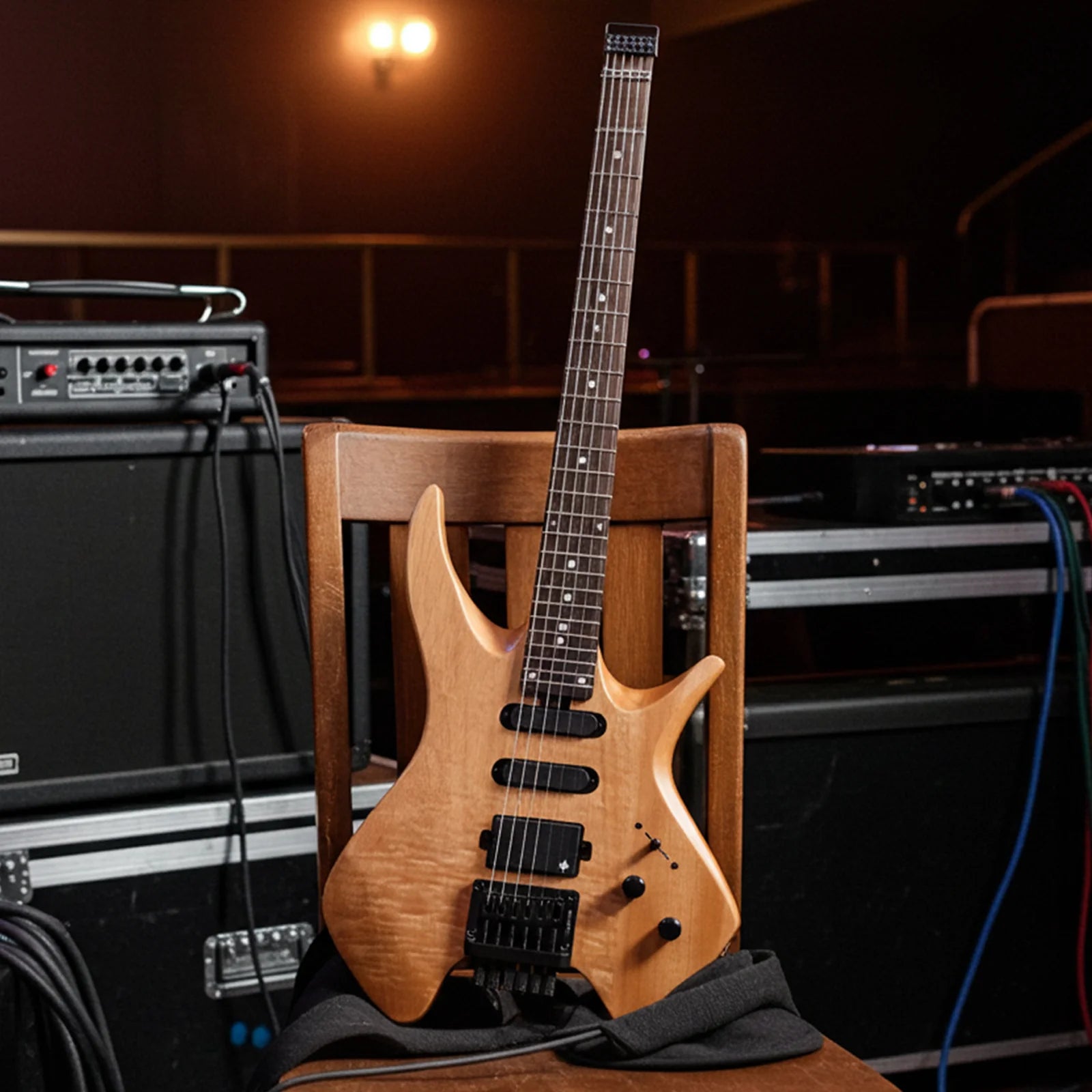
- Guitar: the intimate, singer-songwriter anchor that keeps the story close
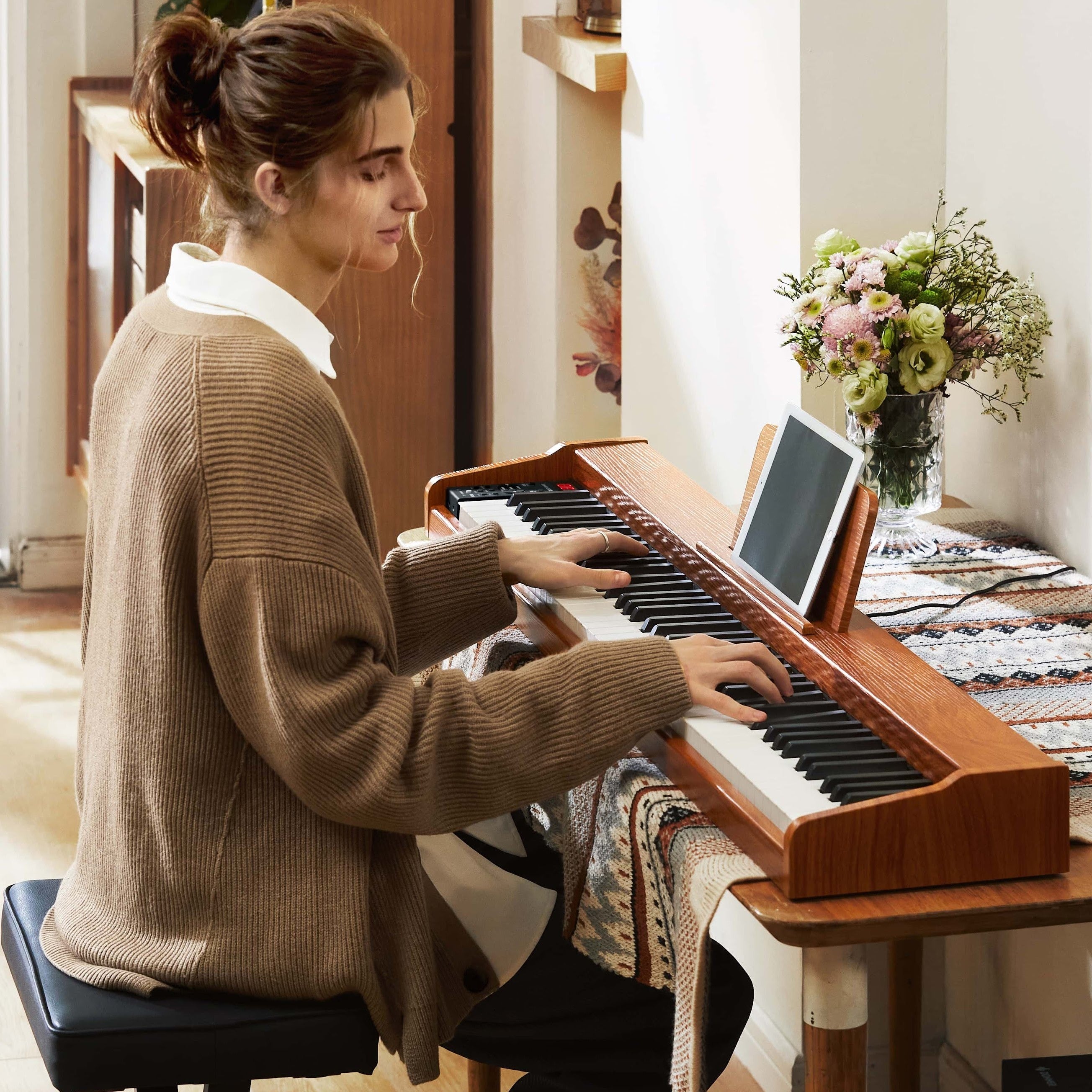
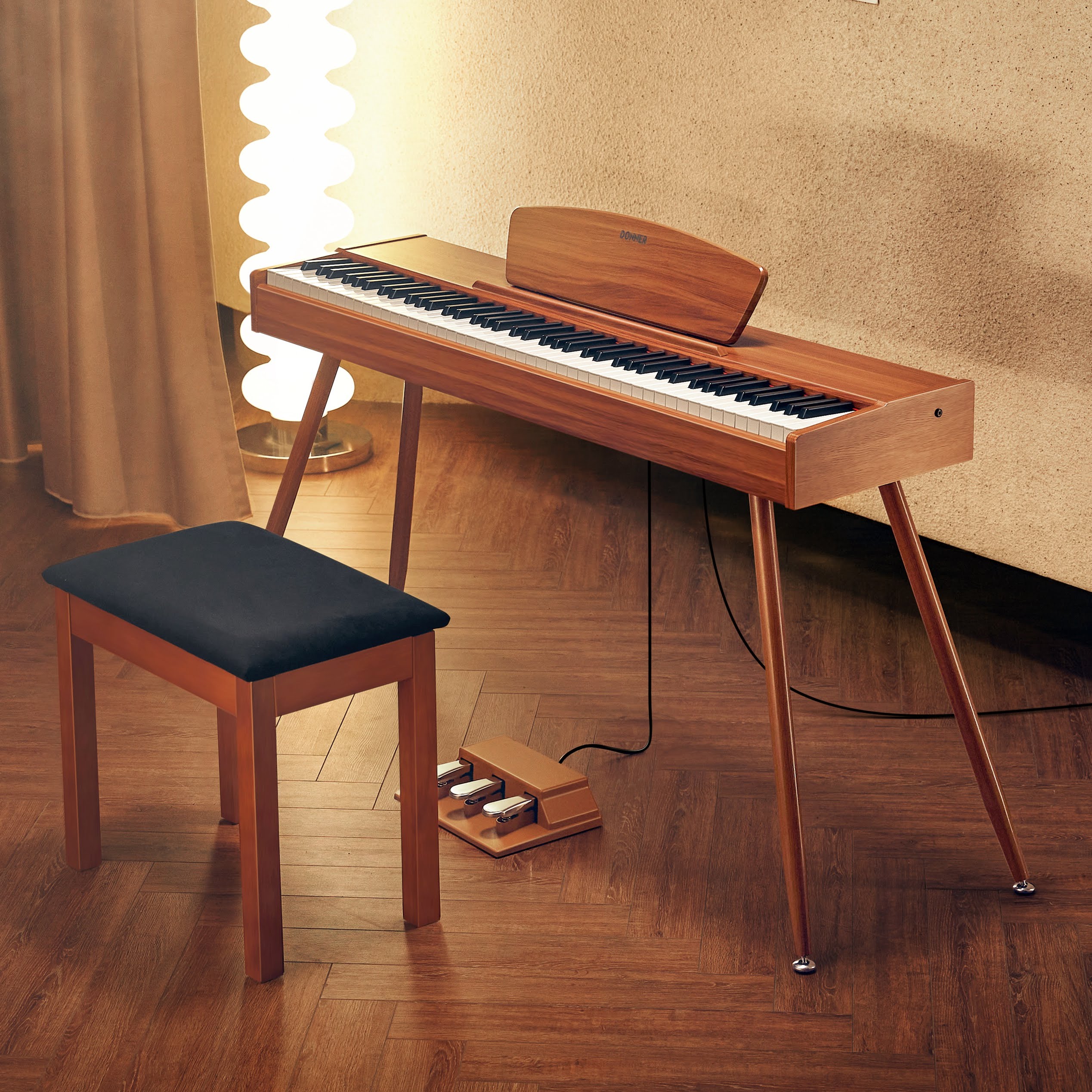
- Piano and accordion: harmonic support plus a period-colored texture
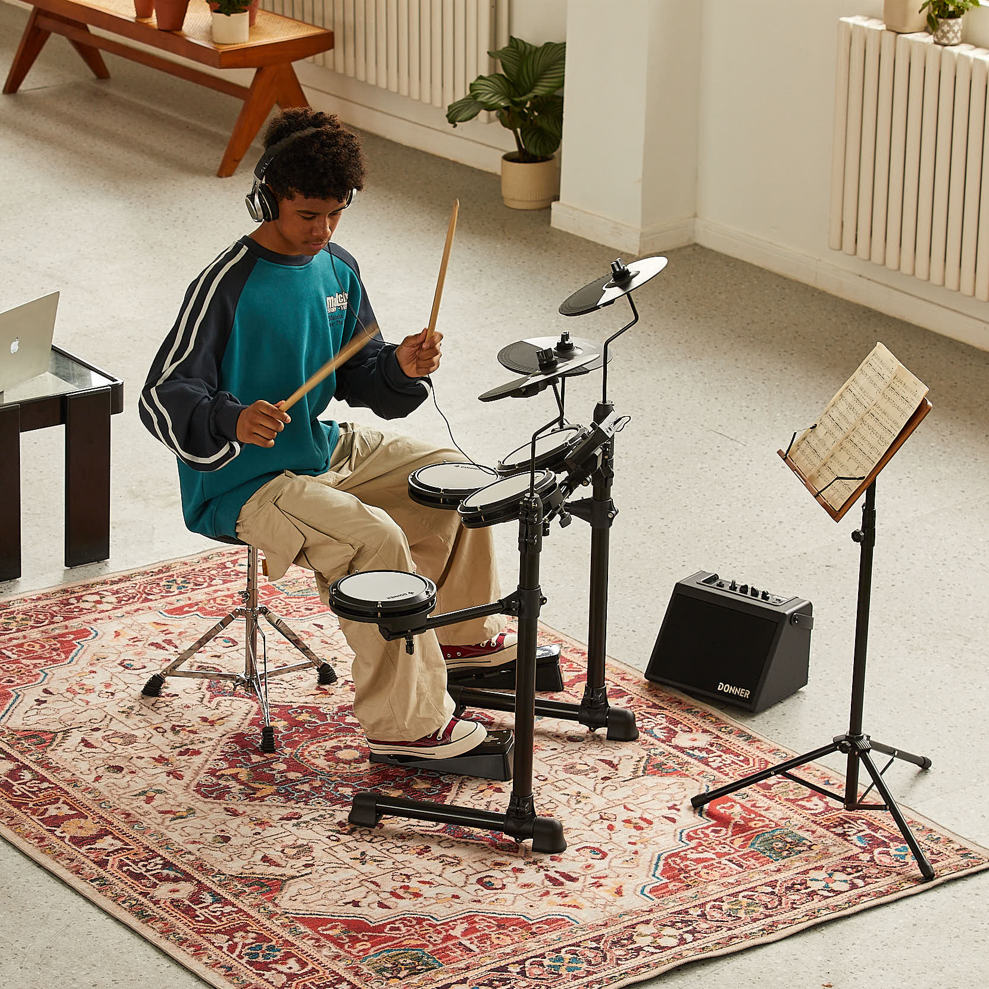
- Bass and drums: the grounded pulse that makes work, travel, and repetition physical
- Violin and cello: string color that can widen a moment or make it feel exposed
- Trombone and glockenspiel: a striking contrast between brass character and bright detail
- Small percussion: hand-played and metallic sounds that keep the world tactile
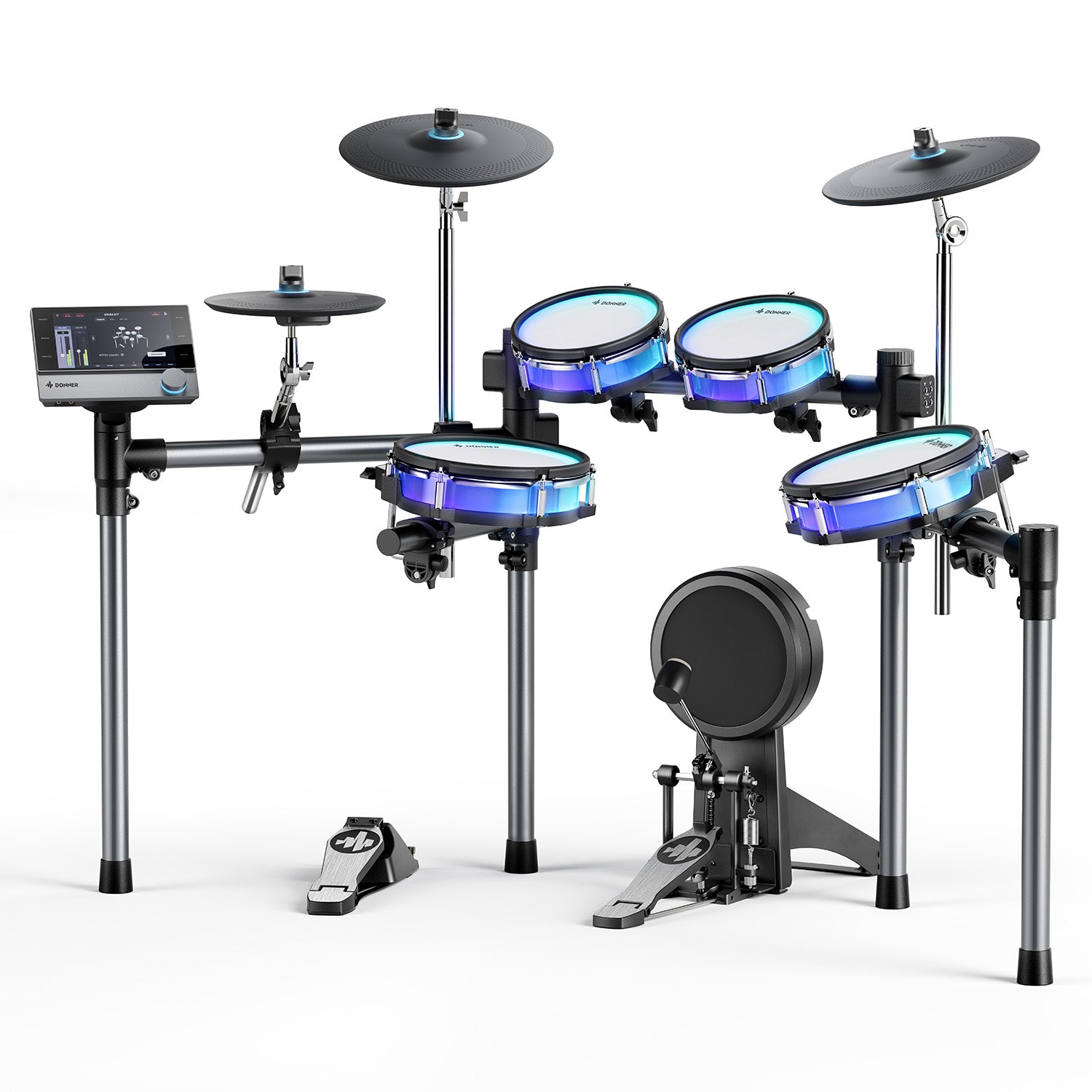
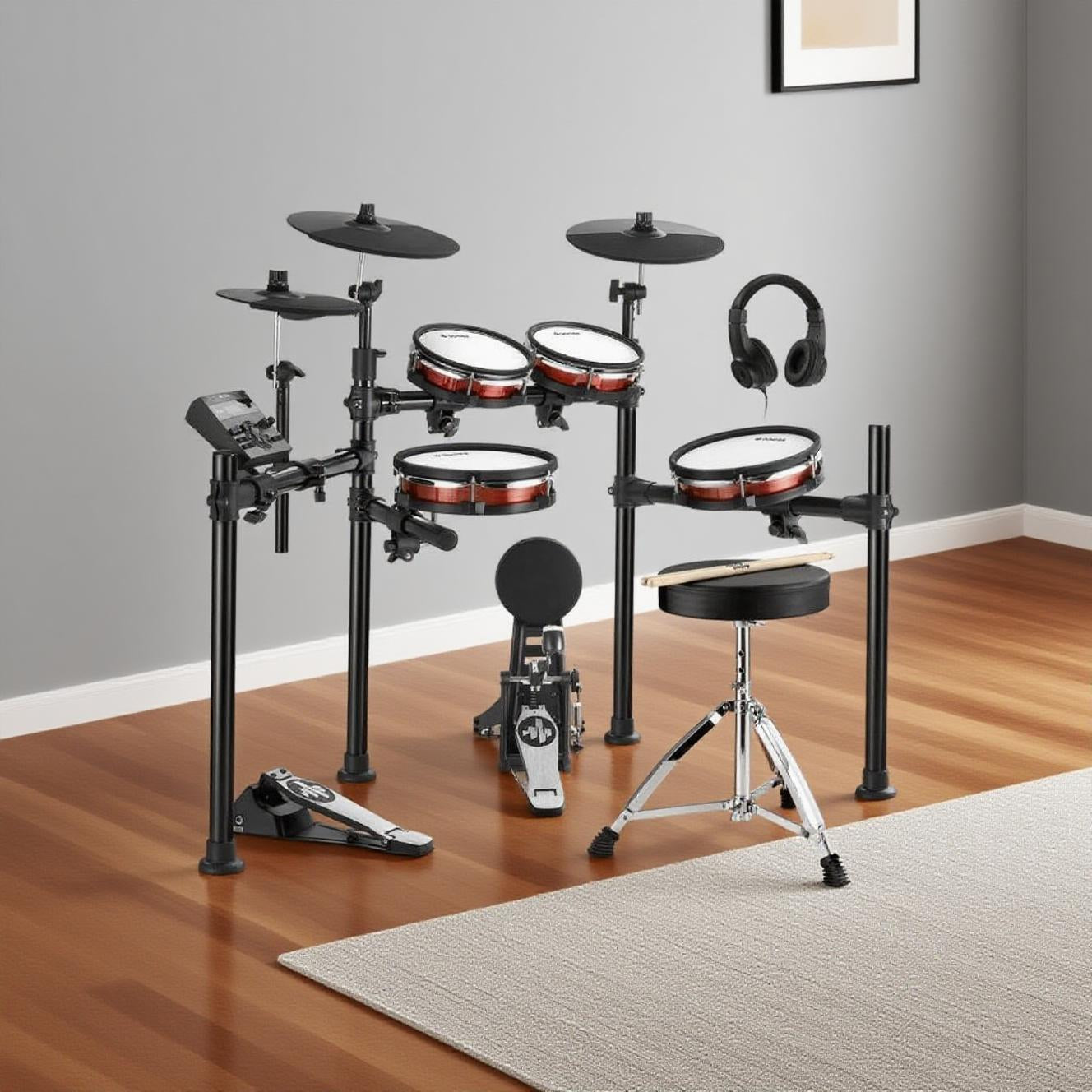
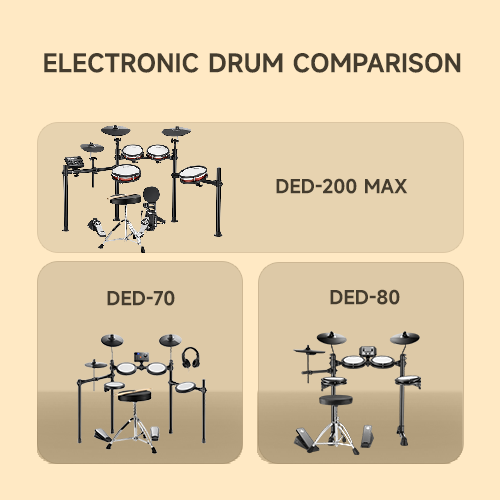
If the rhythm section is the part you want to feel rather than just hear, an electronic drum set is one practical category to explore. It is an experiment in pulse, not a claim to reproduce the show's band.
Folk vs. Blues vs. Jazz: A Simple Listening Map
| Layer | What a beginner may hear | What it does in Hadestown |
|---|---|---|
| Folk | Direct melody and story-first delivery | Keeps the myth emotionally close and singable |
| Blues | Expressive tension, repetition, and vocal weight | Adds hardship, character, resilience, and release |
| New Orleans jazz | Swing, brass color, ensemble conversation, and personality | Gives the band social energy and makes the world feel alive |
The arrangement makes these layers feel like one place: intimate enough for a ballad, physical enough for a work song, and open enough for a band to push back against the singer. That is why the best description is not folk versus blues versus jazz, but folk-rooted songwriting in conversation with blues and New Orleans jazz.
Why the Blend Works So Well
Hadestown treats the band as part of the world, not as invisible support. A guitar can make a moment feel personal; a bass-and-drum pulse can make labor or travel feel physical; strings can open the emotional space; and the trombone can bring in the social, theatrical energy of New Orleans. The genre changes therefore do dramatic work.
That approach also explains why the show feels less like a polished pop score and more like living roots music placed inside a musical. The songs began from Mitchell's guitar-based writing, then Michael Chorney and Todd Sickafoose expanded their sound through arrangement and orchestration. The band remains part of the conversation.
If You Love the Sound, Try One Layer Yourself
Replay one passage and choose the detail that stayed in your head: the guitar-led story, the piano or accordion harmony, the vocal attitude, or the rhythmic pulse. Try to recreate only that layer with your voice, a guitar, a piano, a keyboard, or hand percussion. The goal is not to copy the Broadway production; it is to feel how arrangement changes meaning.
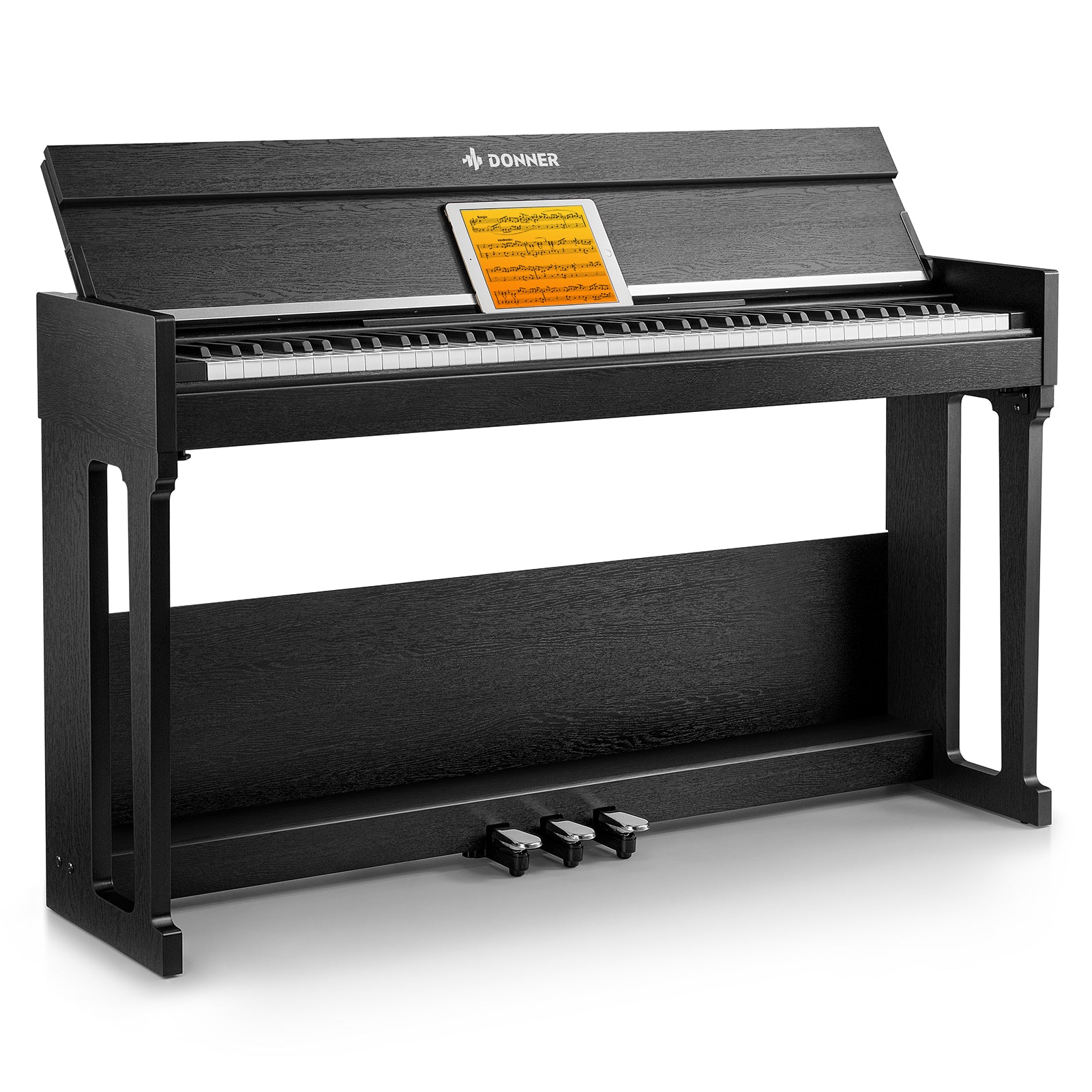
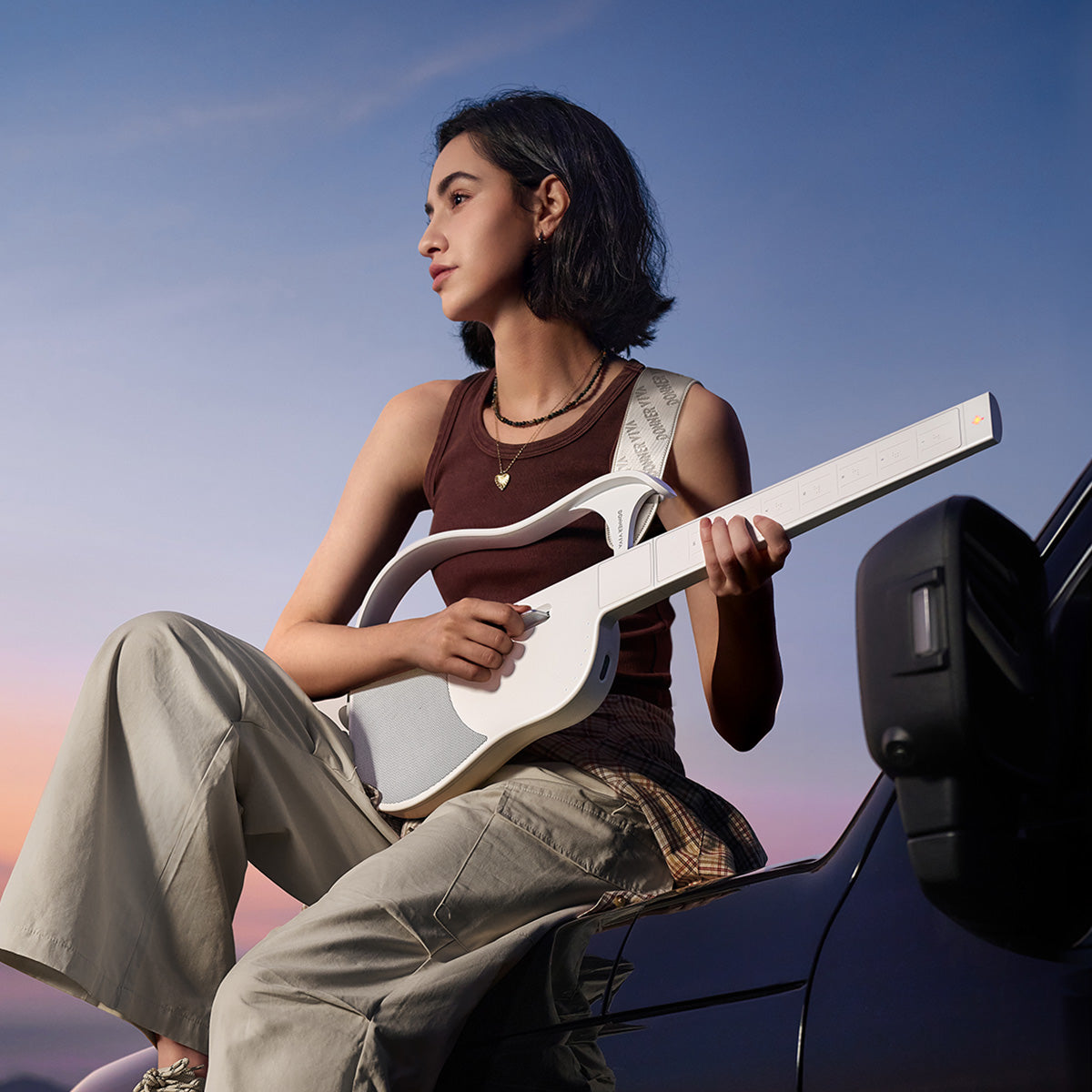
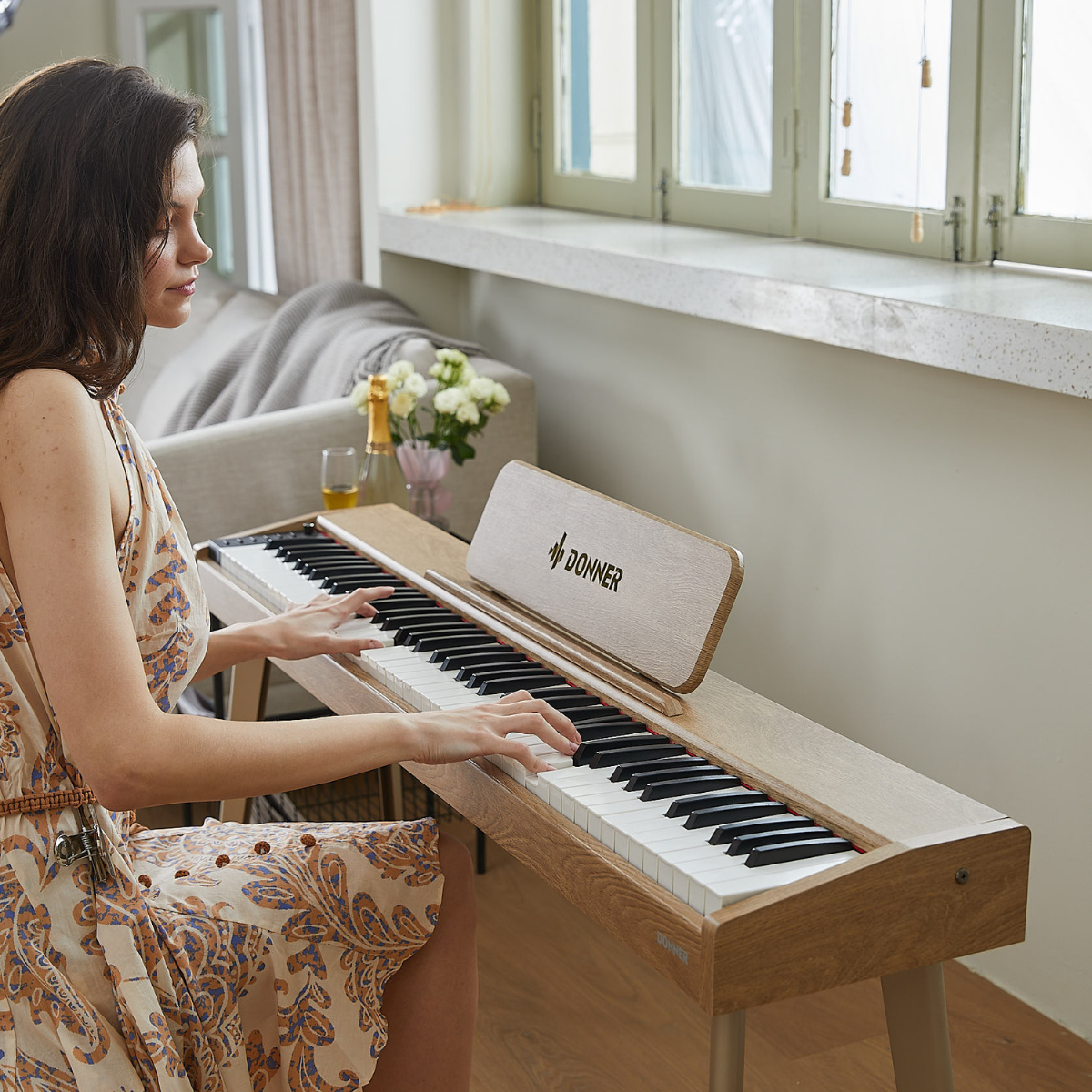
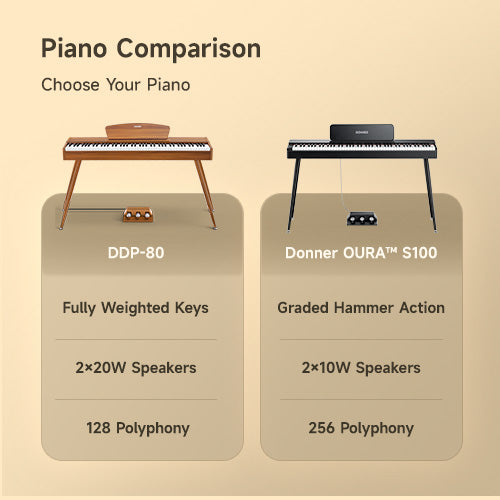
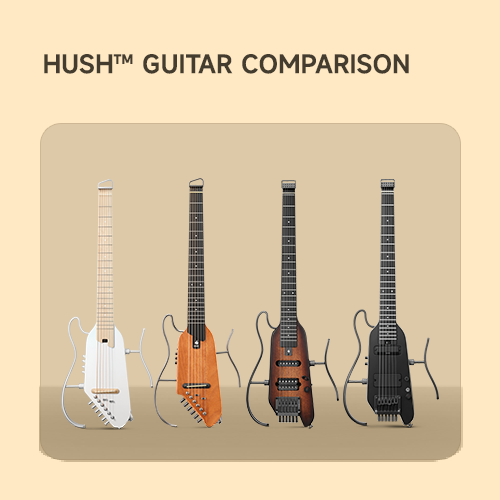
If the keyboard side interests you, a digital piano guide for beginners can help you choose a practical starting point. If the guitar side is calling you, explore an electric guitar path. Keep the first experiment small: one repeating figure, one sustained chord, or one groove is enough.