






The best digital piano under 500 is not automatically the model with the longest feature list. At this budget, the better choice depends on how the keys feel, where you will place the instrument, and whether the included setup matches the way you plan to practice. A $500 instrument ceiling can cover several useful 88-key options, but it does not automatically cover a stand, bench, full pedal unit, or headphones.
The shortlist below compares portable slab pianos and home-oriented models by key action, key count, practice features, sound-related specifications, portability, and setup format. If you want to browse the category while comparing those trade-offs, start with the digital piano collection.
Best Digital Piano Under 500
These eight models fit different interpretations of the $500 ceiling. Use the directory to jump to a product, then use the table to narrow the field by action, format, and practice priorities. The budget positions are practical labels from the July 29, 2026 US research snapshot, not a promise that a live listing or complete setup will cost the same.
- Donner DEP-1S Digital Piano - lowest-cost new 88-key starter setup
- Roland FP-10 Digital Piano - entry-level key action
- Yamaha P-145BT Digital Piano - Bluetooth audio and simple operation
- Casio CDP-S110 Digital Piano - compact 88-key format
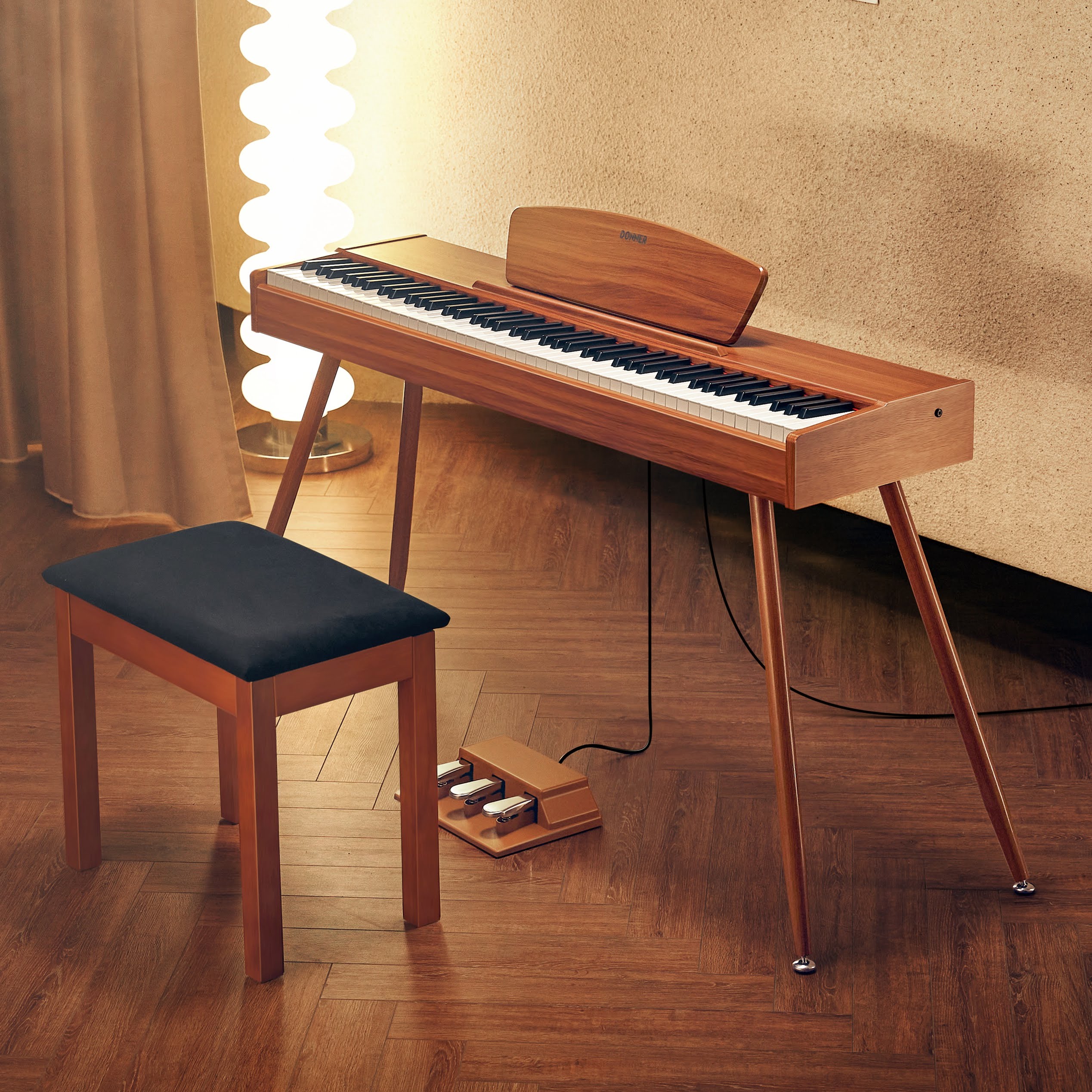
- Donner DDP-50 Digital Piano - home-focused fully weighted format
- Kawai ES60 Digital Piano - portable piano-focused features
- Yamaha P-45 Digital Piano - established lower-cost portable option
- Yamaha P-143 Digital Piano - current portable model near the ceiling
| Model | Budget position | Key action | Keys | Setup format | Best for |
|---|---|---|---|---|---|
| Donner DEP-1S | Lower-cost | Semi-weighted | 88 | Starter setup | Tight budgets |
| Roland FP-10 | Near ceiling | PHA-4 Standard | 88 | Portable slab | Key action |
| Yamaha P-145BT | Near ceiling | Graded Hammer Compact | 88 | Portable slab | Connected practice |
| Casio CDP-S110 | At ceiling | Not specified | 88 | Compact portable | Small spaces |
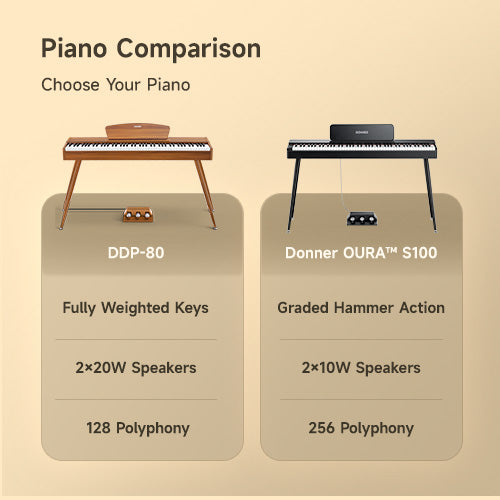
| Donner DDP-50 | Mid-budget | Fully weighted | 88 | Upright | Home setups |
| Kawai ES60 | Near ceiling | Responsive Hammer Lite | 88 | Portable slab | Portable tone |
| Yamaha P-45 | Lower near ceiling | GHS | 88 | Portable slab | Simple practice |
| Yamaha P-143 | At ceiling | Graded Hammer Compact | 88 | Portable slab | Current portability |
Prices and availability can change, so verify the current US listing before purchase. Also check the cost and compatibility of any separate stand, bench, pedal upgrade, or headphones needed for your room.
Donner DEP-1S Digital Piano Best For Tight Budgets

Pros
- Full 88-key range
- Semi-weighted starter action
- 30W speaker output
- 64-note polyphony
Cons
- Not fully weighted
- Starter-focused feature set
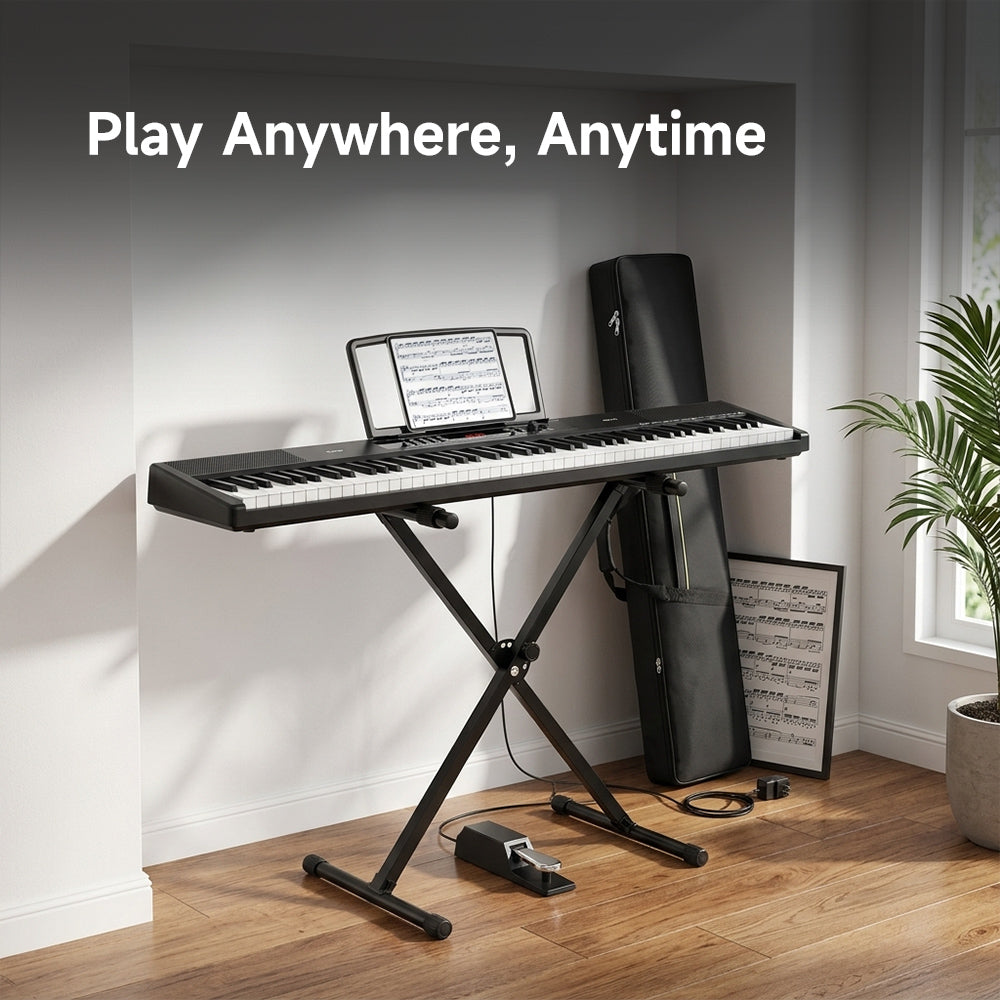
The Donner DEP-1S Digital Piano is aimed at the buyer who wants a new 88-key starter setup at the lowest entry point in this shortlist. Its semi-weighted action, 30W speakers, and 64-note polyphony give a beginner a full keyboard range and a practical starting point, while the semi-weighted design is an important distinction for anyone specifically training for a fully weighted piano feel.
Donner DDP-50 Digital Piano Best For Home Setups
Roland FP-10 Digital Piano Best For Key Action
Pros
- PHA-4 Standard keyboard
- Twin Piano mode
- Bluetooth MIDI
- USB interface
Cons
- Portable slab setup
- Separate stand may be needed
The Roland FP-10 Digital Piano is a portable comparison point for buyers who want an entry-level action-focused instrument. Its 88-key PHA-4 Standard keyboard is paired with Twin Piano mode, Bluetooth MIDI, and a USB interface, so it can suit structured practice while keeping the slab format flexible for a smaller room.
Yamaha P-145BT Digital Piano Best For Connected Practice
Pros
- Weighted touch-sensitive keys
- Bluetooth audio
- Smart Pianist support
- Sustain foot switch included
Cons
- Portable setup needs planning
- Accessory choices remain separate
The Yamaha P-145BT Digital Piano is a straightforward fit for a beginner who wants weighted, touch-sensitive keys plus Bluetooth audio. Its Graded Hammer Compact action, Smart Pianist support, music rest, sustain foot switch, and AC adapter make the basic practice workflow easy to understand, while the portable format leaves stand and bench decisions open.
Casio CDP-S110 Digital Piano Best For Compact Spaces
Pros
- Full 88-key range
- Compact digital format
- Simple setup profile
Cons
- Feature details need checking
- Accessory details need checking
The Casio CDP-S110 Digital Piano is the compact 88-key option in this comparison. It is best considered by a buyer who wants a basic full-range digital piano while keeping the physical format as simple as possible. Compare the live listing for exact included accessories and setup details before deciding.

Pros
- Fully weighted 88 keys
- Upright digital format
- Dedicated home setup
- Full-range practice layout
Cons
- Less portable format
- Needs a permanent position
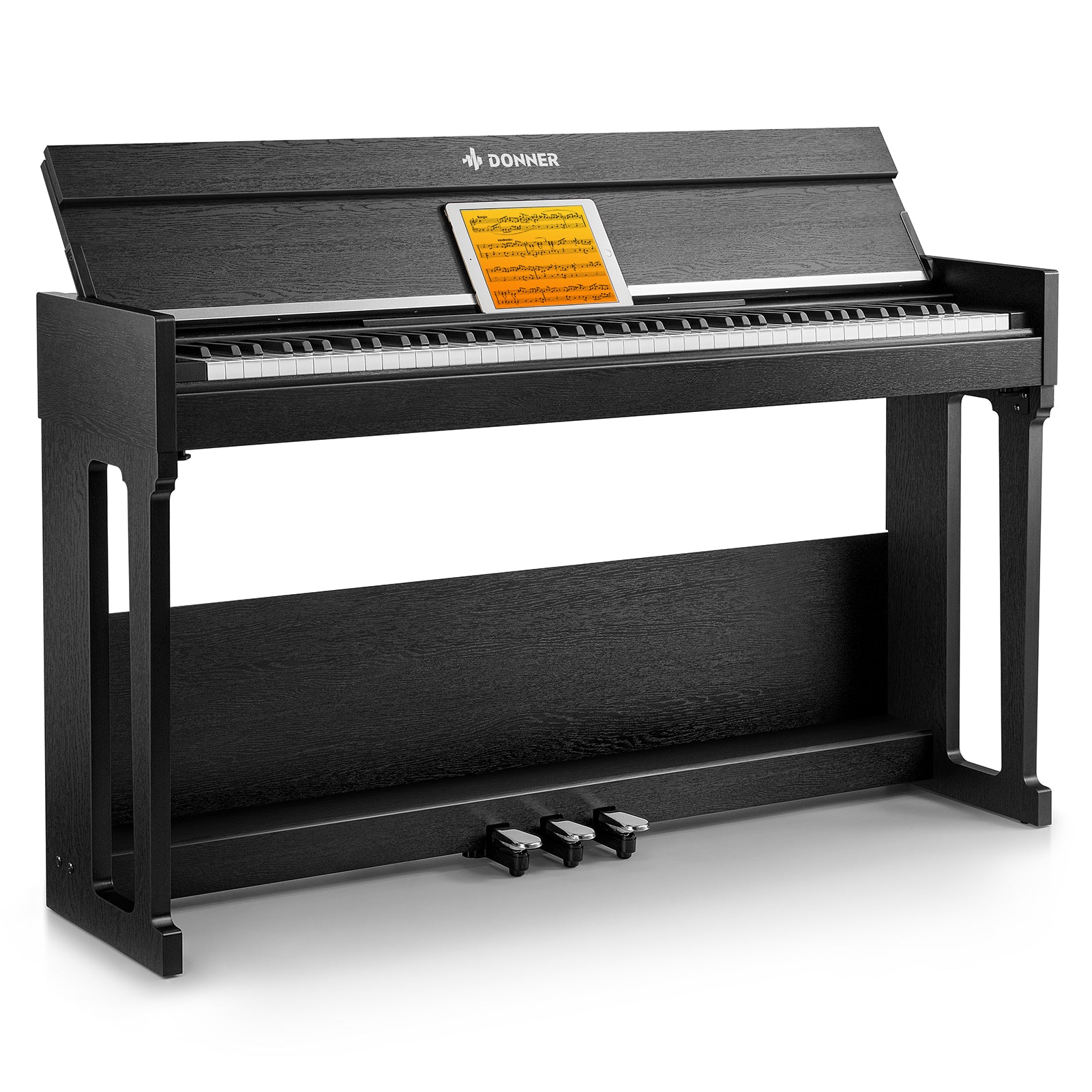
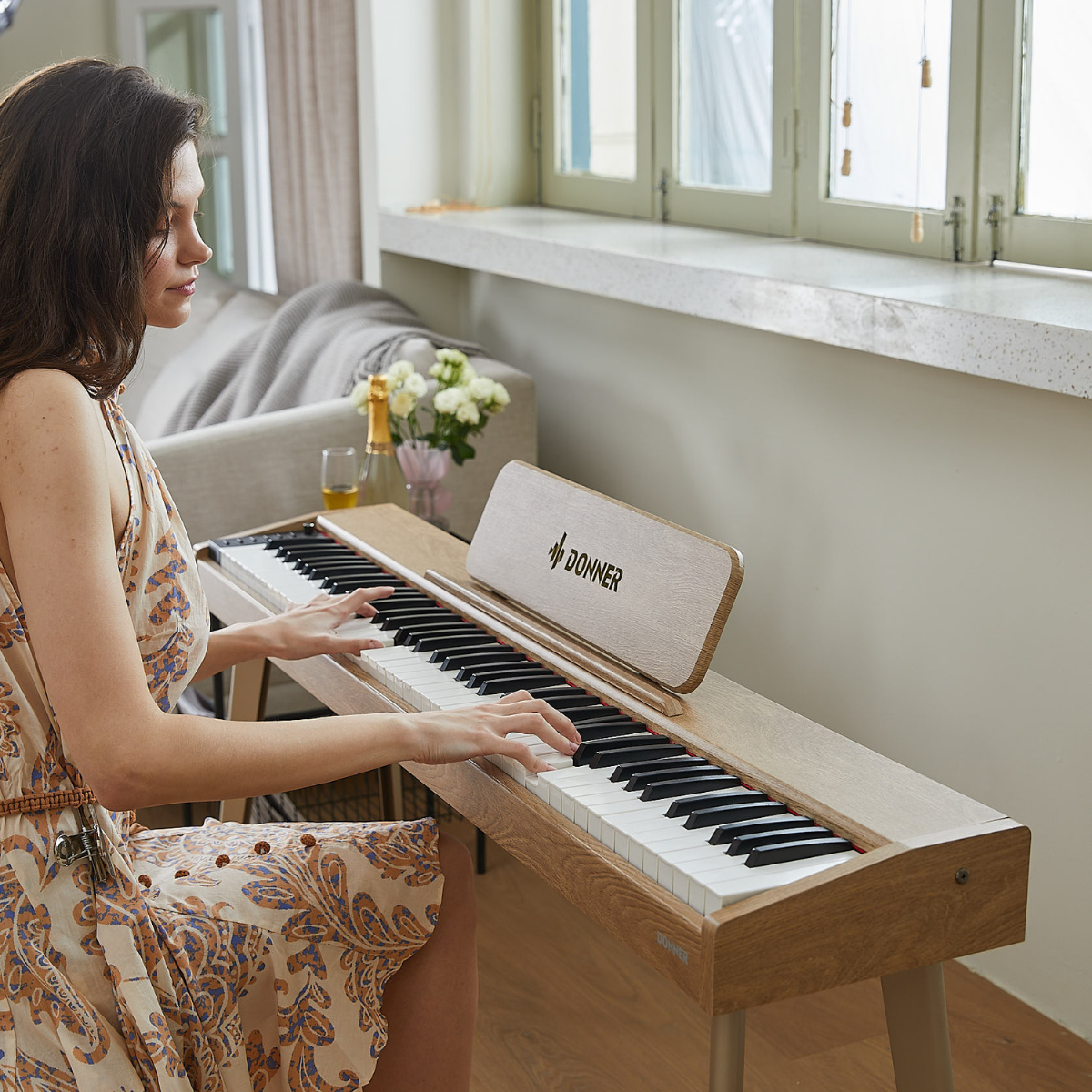
The Donner DDP-50 Digital Piano fits a home-focused buyer who wants 88 fully weighted keys in an upright digital piano format. That combination makes the decision less about moving the instrument from room to room and more about creating a dedicated practice position with a conventional piano-style presence.
Kawai ES60 Digital Piano Best For Portable Tone
Pros
- Responsive Hammer Lite action
- 17 built-in sounds
- 192-note polyphony
- USB-MIDI and line out
Cons
- Portable slab setup
- Stand is a separate decision
The Kawai ES60 Digital Piano is a portable choice for a buyer who wants piano-focused specifications without moving to a larger home console. Its 88-key Responsive Hammer Lite action is paired with 17 built-in sounds, 192-note polyphony, USB-MIDI, and line out, giving the model a broader practice and connection profile than a bare-bones keyboard.
Yamaha P-45 Digital Piano Best For Simple Practice
Pros
- GHS 88-key action
- AWM stereo sampling
- 64-note polyphony
- USB to Host
- Sustain footswitch included
Cons
- Portable stand sold separately
- Basic connectivity profile
The Yamaha P-45 Digital Piano is a practical lower-cost portable option for a buyer who wants an established 88-key layout without an elaborate setup. Its GHS action, AWM stereo sampling, 64-note polyphony, USB to Host connection, 11.5 kg weight, and included sustain footswitch cover the core needs of straightforward home practice.
Yamaha P-143 Digital Piano Best For Current Portability
Pros
- GHC 88-key action
- Yamaha CFIIIS sound
- Portable piano format
- Current model comparison
Cons
- Near-ceiling budget position
- Live stock needs checking
The Yamaha P-143 Digital Piano is a current portable model for a buyer prepared to use the full instrument budget ceiling. Its 88-key Graded Hammer Compact action and Yamaha CFIIIS piano sound make it a focused option for conventional piano practice, but live stock and the final package contents should be checked before publication or purchase.
How We Choose the Best Digital Piano Under 500
The useful comparison is not a single score. Start with the part of the instrument that affects daily practice most, then check whether the format and included accessories fit the room. The shortlist combines product specifications with dated US price-page snapshots, while keeping competitor availability subject to a final check.
Instrument Price vs. Complete Setup Cost?
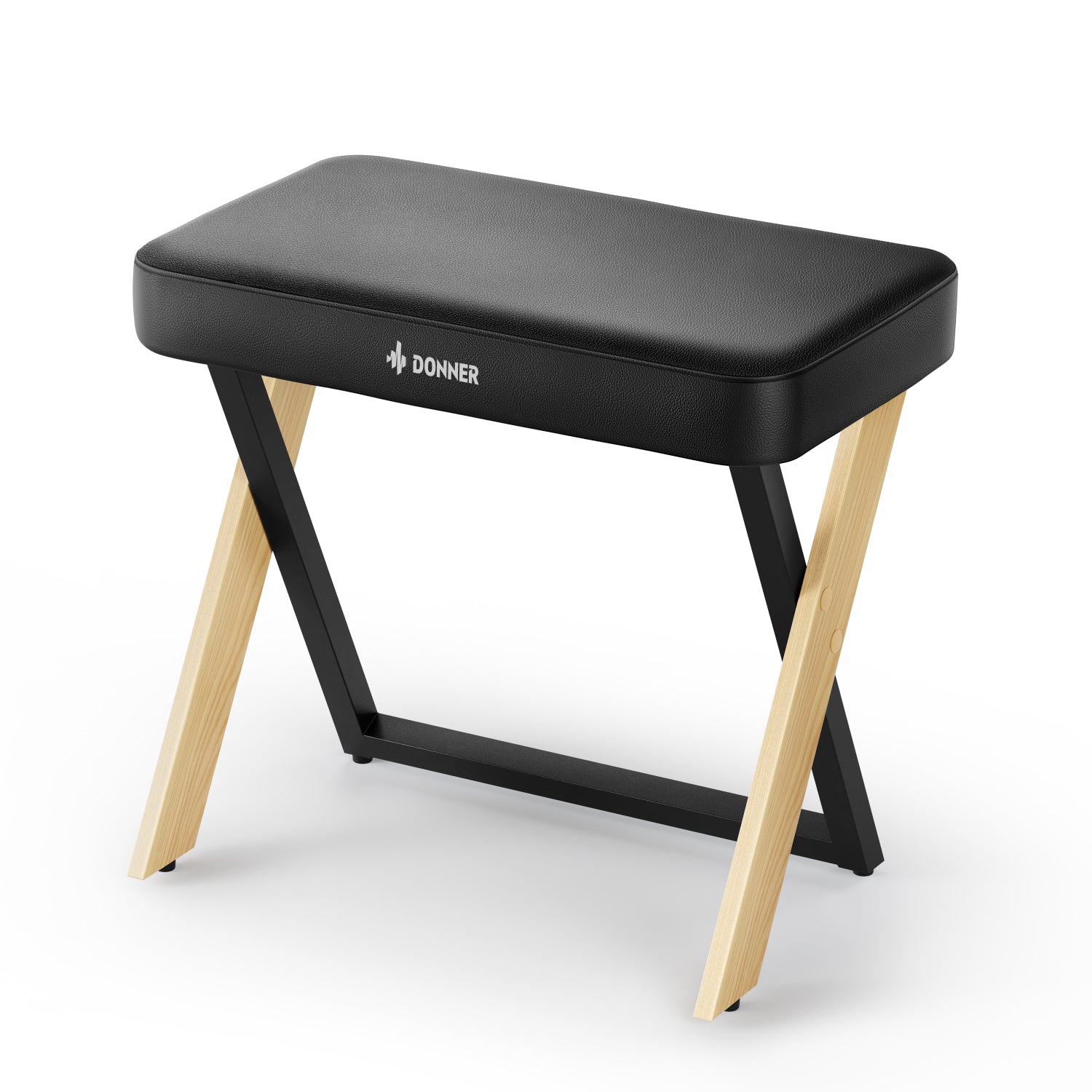
Treat the $500 limit as the instrument portion of the budget first. A portable slab model may leave you choosing a stand and bench, while a home-oriented format may solve more of the room setup but be less convenient to move. Add the pedal, headphones, stand, bench, and cables you actually need before comparing two models that appear close on the listing page.
The Donner DEP-1S package name includes a stand, while the Yamaha P-145BT and P-45 package details include a music rest and sustain footswitch. Do not assume those details apply to every model in the shortlist.
What Key Action Should You Expect Under $500?
Key action should be the first filter if your goal is piano technique. The DEP-1S uses semi-weighted action, so it belongs in a different decision category from the DDP-50's fully weighted keys. The Roland FP-10, Yamaha P-145BT, Yamaha P-143, Yamaha P-45, and Kawai ES60 each use their own named action systems; compare the exact system rather than treating every 88-key keyboard as equivalent.
A fuller action specification can support more piano-like practice, but it may also come with a less portable or more expensive setup. Choose the action that matches your learning priority and accept the format trade-off that comes with it.
Are 88 Keys Necessary for a Beginner?
Beginners do not need 88 keys for every first lesson, but an 88-key layout gives you the full range used by standard piano repertoire and avoids an early instrument change. Every model in this shortlist has 88 keys, so the decision shifts to action, room size, and how often you expect to move the instrument.
If space is tight, compare compact and portable formats before buying a furniture-style piano. If the instrument will stay in one practice position, the DDP-50's upright format may make more sense than optimizing for portability.
Which Practice Features Matter Most?
Choose practice features that remove friction from the routine you will actually keep. Bluetooth audio and Smart Pianist support on the P-145BT may matter to a learner who practices with an app or backing audio. Bluetooth MIDI and a USB interface on the FP-10, USB-MIDI and line out on the ES60, and USB to Host on the P-45 serve different connection priorities.
For a simpler setup, prioritize the key action, sustain control, and a comfortable playing position before adding features you may not use. A large voice count is less useful if the instrument is awkward to place or the action does not match your practice goal.
FAQ About the Best Digital Piano Under 500
The right answer depends on whether you value fully weighted action, compact portability, connected practice, or the lowest complete setup cost. These questions address the trade-offs that most often change the shortlist.
What Is the Best Digital Piano Under $500?
There is no single best choice for every buyer under $500. Choose the Donner DEP-1S when the lowest-cost new 88-key starter setup matters most, the Donner DDP-50 when you want a home-focused fully weighted format, and a portable competitor model when a named action system or connection feature is the deciding factor.
Are Digital Pianos Under $500 Worth Buying?
Yes, a digital piano under $500 can be a worthwhile starting point when you set expectations around action, sound, portability, and setup. The selected models provide 88 keys, but they do not all provide the same key feel or room-ready format, so the value comes from choosing the right compromise rather than expecting every feature at once.
Can You Get Weighted Keys Under $500?
Yes, weighted-key options appear in this shortlist, including the fully weighted Donner DDP-50 and named weighted action systems on several portable models. The Donner DEP-1S is semi-weighted, so do not group it with fully weighted choices simply because it also has 88 keys.
Do Beginners Need 88 Keys?
Beginners can start on fewer keys, but 88 keys are useful if you want a full piano range and room to progress without replacing the instrument early. Since every selected model has 88 keys, compare the action and setup format instead of treating key count as the only quality signal.
What Else Do I Need to Buy With a Digital Piano?
- A stand or furniture-style base, depending on the instrument format
- A bench or adjustable seat at a comfortable playing height
- A sustain pedal or pedal upgrade if the included control is limited
- Headphones for quiet practice
- Cables or an adapter only when your selected connection setup requires them
The DEP-1S package name includes a stand. The Yamaha P-145BT and P-45 package details include a music rest and sustain footswitch. Confirm the live package contents for any model before you finalize the complete setup budget.
Start Playing Without Breaking the $500 Budget
Start with the key action and setup format you can live with every day, then use features such as Bluetooth audio, MIDI, or USB connections to refine the choice. Donner's mission is to make music-making more approachable, and the Donner Music homepage is the place to learn more about the brand. When you are ready to compare the available category, browse the digital piano collection.