









International Women’s Day is a time to celebrate the creativity, strength, and achievements of women across every field—and music is no exception. Throughout history, women have shaped the sound of music in powerful ways, from classical compositions to modern pop, jazz, and electronic music.
Their stories are not only part of music history but also a reminder that creativity has no limits. Whether performing on world stages, composing groundbreaking works, or inspiring new generations of musicians, these women continue to influence how the world hears and experiences music.
The Early Voices in Classical Music
For centuries, classical music was dominated by male composers, but many talented women still found ways to express their musical voices. Pianists and composers such as Clara Schumann proved that women could excel both as performers and creators.
Clara Schumann was one of the most respected pianists of the 19th century. She toured across Europe, performed challenging repertoire, and composed her own works. At a time when women rarely had opportunities to perform professionally, she showed that musical dedication and artistry could break barriers.
Her influence extended far beyond her own performances. By championing serious piano music and sharing it with audiences around the world, she helped shape the classical music culture we know today.

Women Who Redefined Modern Music
As music evolved through the 20th century, more women stepped forward and began shaping entirely new musical styles. Their creativity expanded the possibilities of what music could sound like.
Artists like Aretha Franklin transformed soul and gospel into powerful expressions of emotion and identity. Known as the “Queen of Soul,” her voice carried strength, confidence, and deep musical expression that influenced generations of singers.
In another direction, innovators such as Delia Derbyshire helped pioneer electronic music. Working with early synthesizers and tape manipulation techniques, she helped create sounds that felt futuristic and experimental at the time. Her work opened the door for modern electronic and synth-based music.
These women didn’t simply participate in music—they changed how music itself was created and experienced.
Breaking Barriers Across Genres
Today, women continue to reshape music across every genre imaginable. From jazz and classical composition to rock, pop, and electronic production, female musicians are bringing new perspectives and creativity to the industry.
Artists such as Björk, H.E.R., and Hiromi Uehara have demonstrated how powerful musical individuality can be. Whether through experimental production, virtuosic instrumental performance, or emotional songwriting, they represent the diversity of modern musical voices.
What connects these musicians is not a single style but a shared spirit of creativity. Each of them has expanded the possibilities of music while inspiring listeners and aspiring musicians around the world.
Music as a Space for Expression
One of the most inspiring aspects of music is that it gives everyone a voice. Musical instruments—whether a piano, guitar, or synthesizer—become tools for self-expression, storytelling, and creativity.
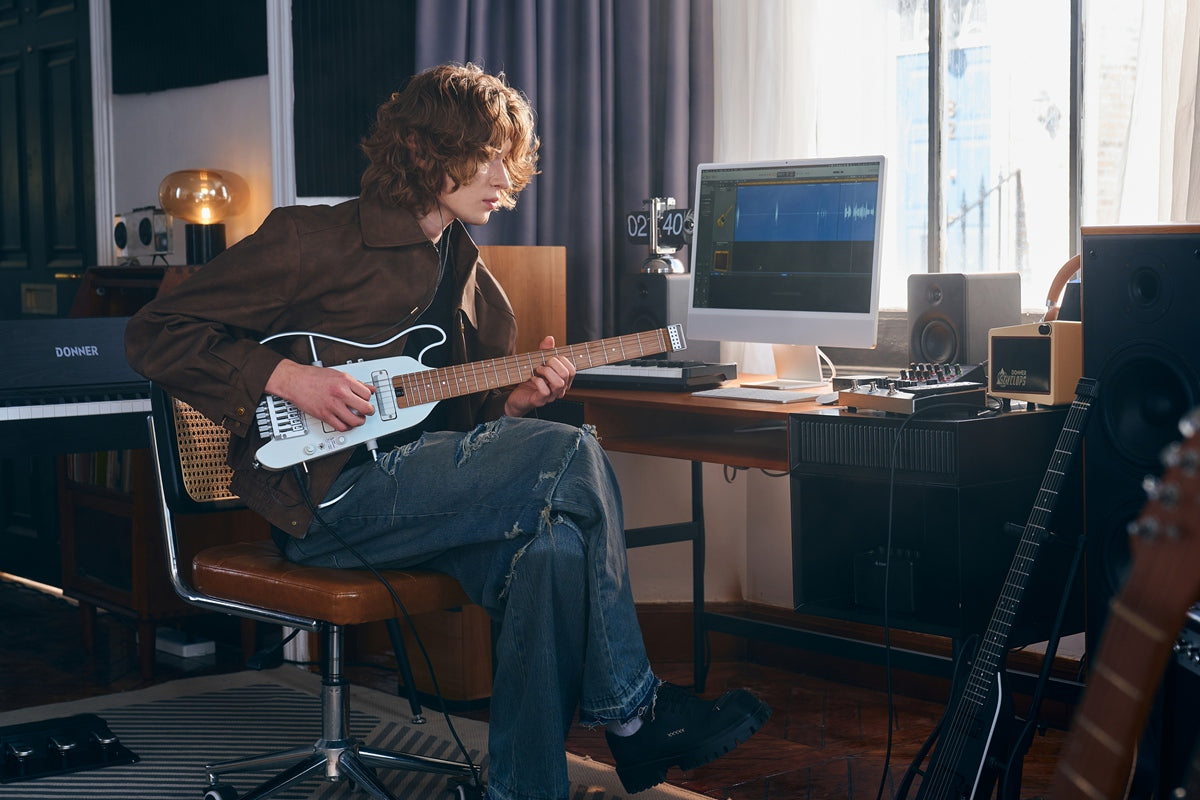
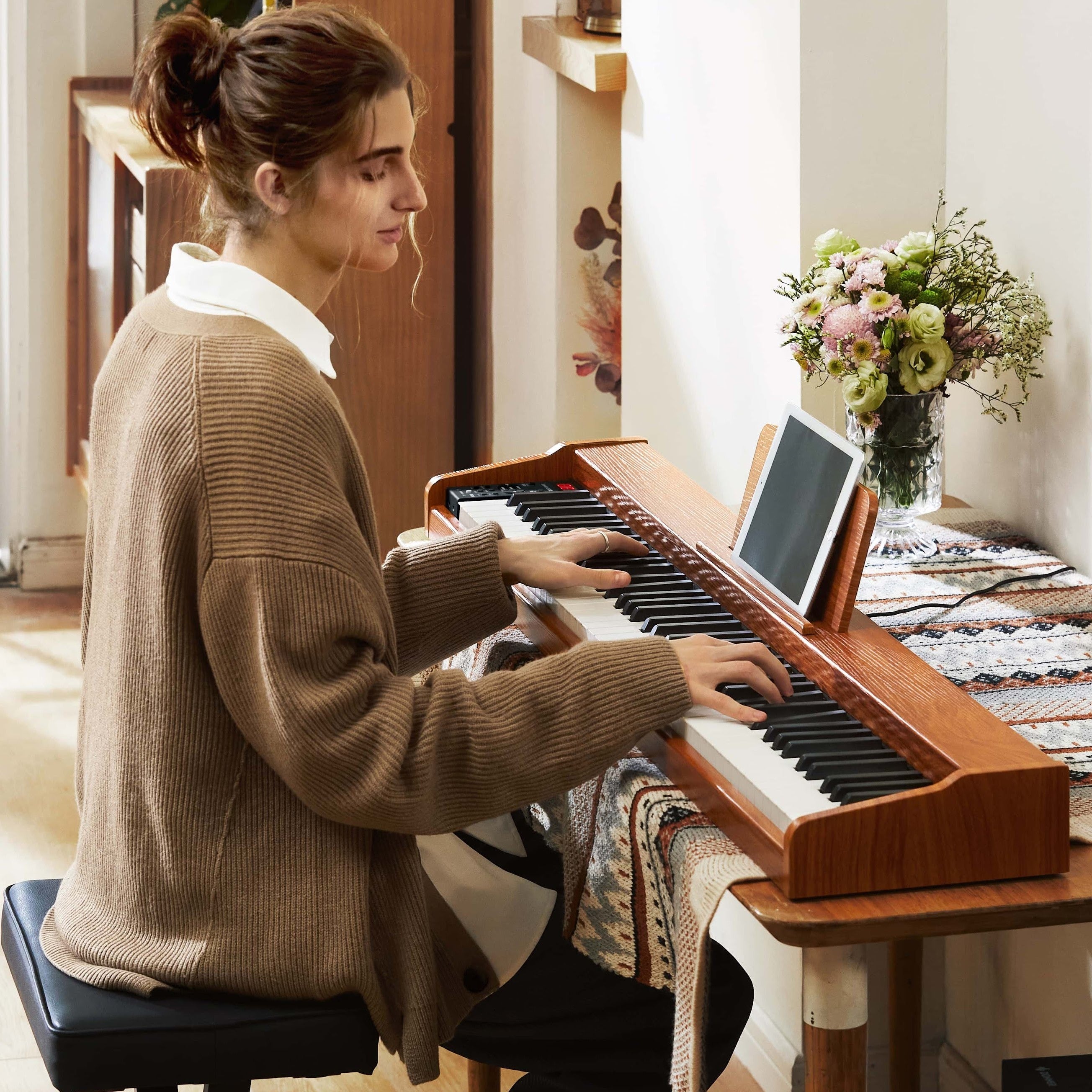
For many women, learning an instrument is more than just developing a skill. It can be a way to explore emotions, build confidence, and connect with others. A quiet evening practicing piano, experimenting with sounds on a synthesizer, or writing a simple melody can become a deeply meaningful experience.
Music doesn’t require perfection. It simply invites people to express themselves in their own unique way.

Inspiring the Next Generation
The legacy of influential female musicians continues to inspire new generations to explore music. Young learners discovering their first notes on a keyboard, students experimenting with songwriting, or hobby musicians returning to music after years away all contribute to the evolving sound of music.
When people see musicians who reflect their own experiences and identities, it becomes easier to imagine themselves creating music too. Representation matters—not only in performance, but in creativity, production, and composition.
International Women’s Day is a perfect moment to recognize the women who shaped music in the past while celebrating the voices that continue to transform it today.
Because every melody, every performance, and every new musical idea adds another chapter to the story of music—and women have always been an essential part of that story.